Single Piece vs Gallery Wall: Pros, Cons and How to Choose
The Heva Team
Art Curators & Interior Design Enthusiasts · April 6, 2026 · 17 min read
You have stared at that blank wall long enough. Should you go bold with one oversized canvas that stops people in their tracks, or build a curated gallery wall that tells a layered story? The choice between a gallery wall vs single art piece is one of the most common decisions our customers wrestle with, and there is genuinely no wrong answer , only the right answer for your specific room, budget, and taste.
Ready to browse? Explore our full canvas collection →
1. The Case for a Single Statement Piece
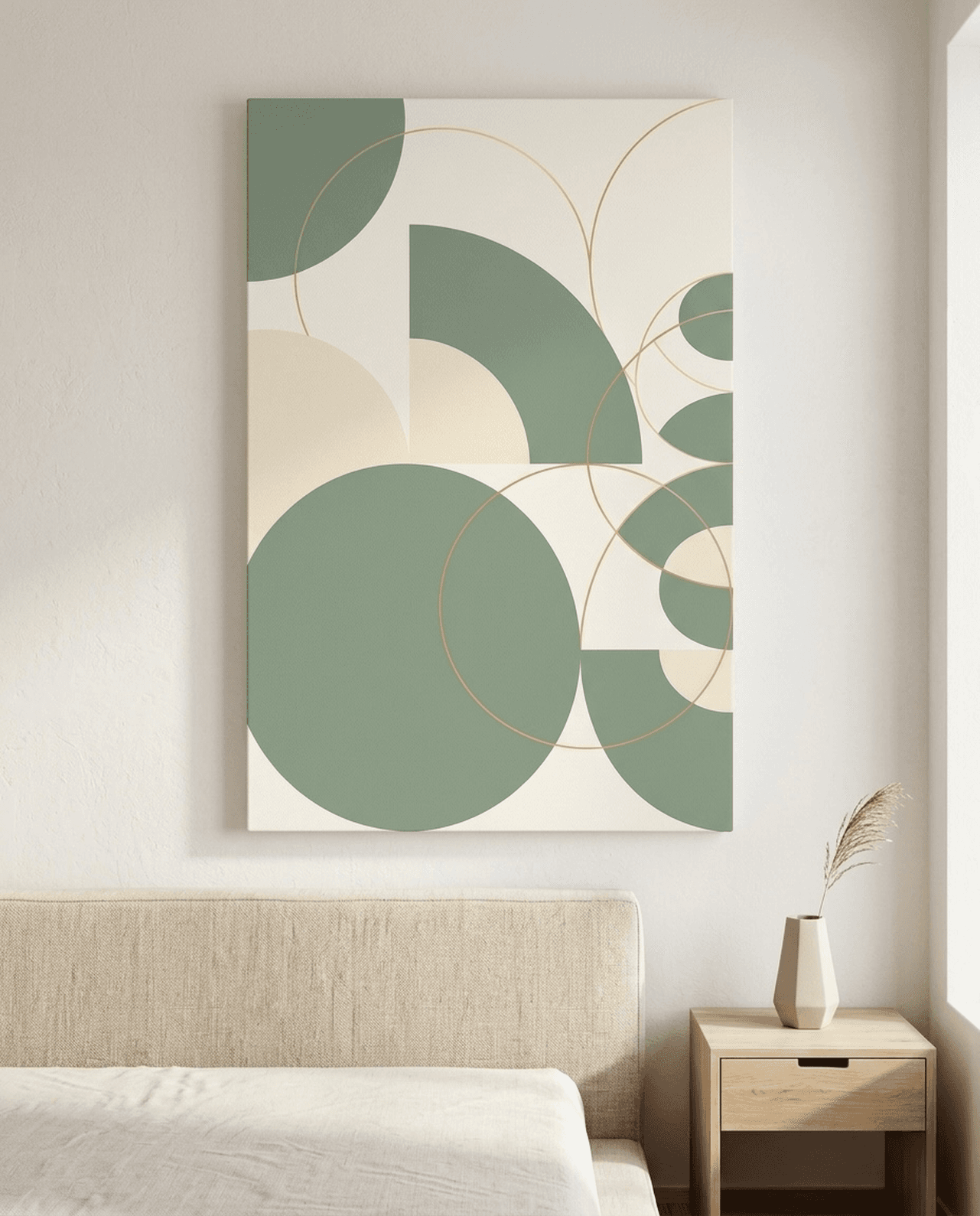
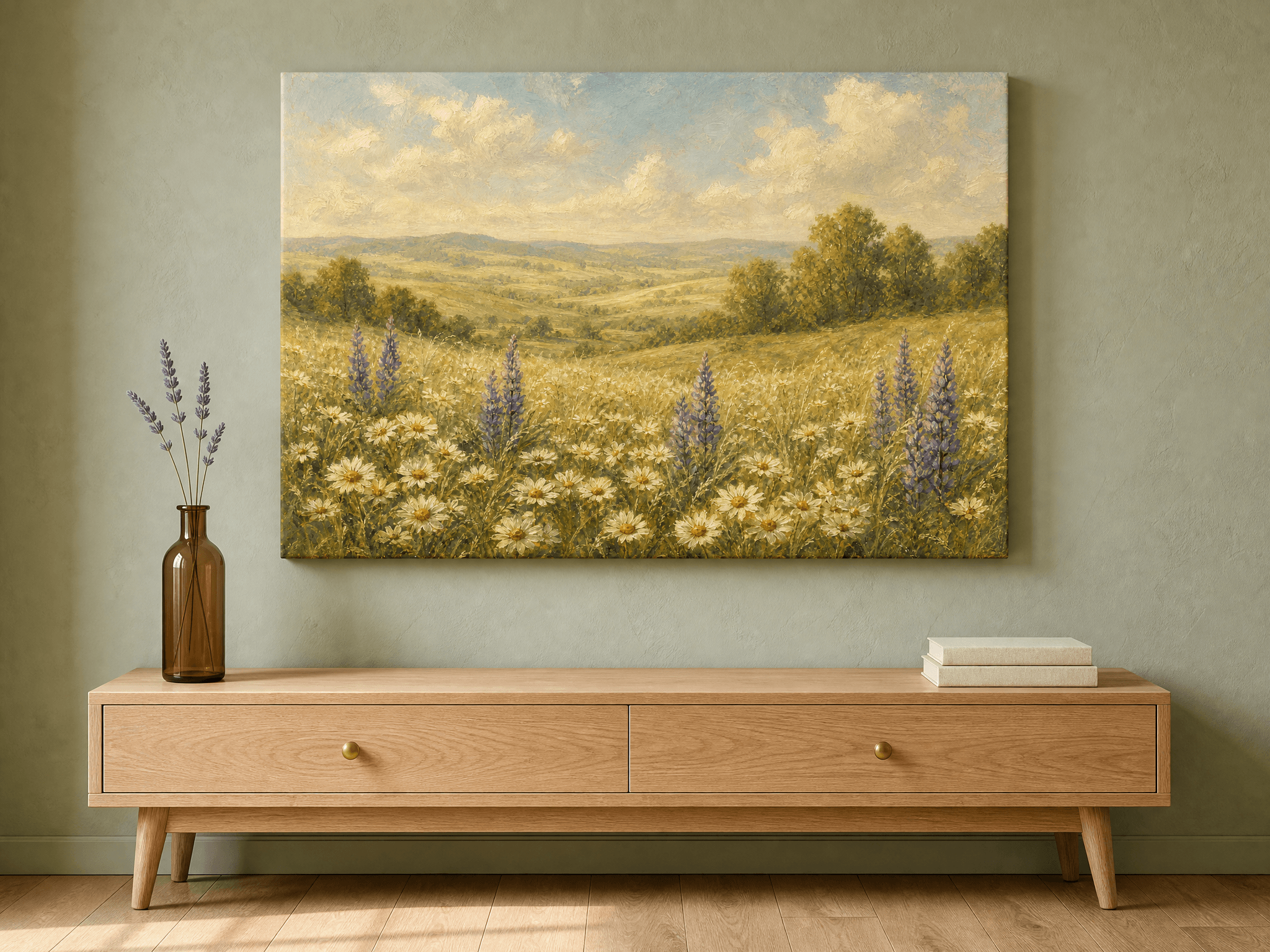
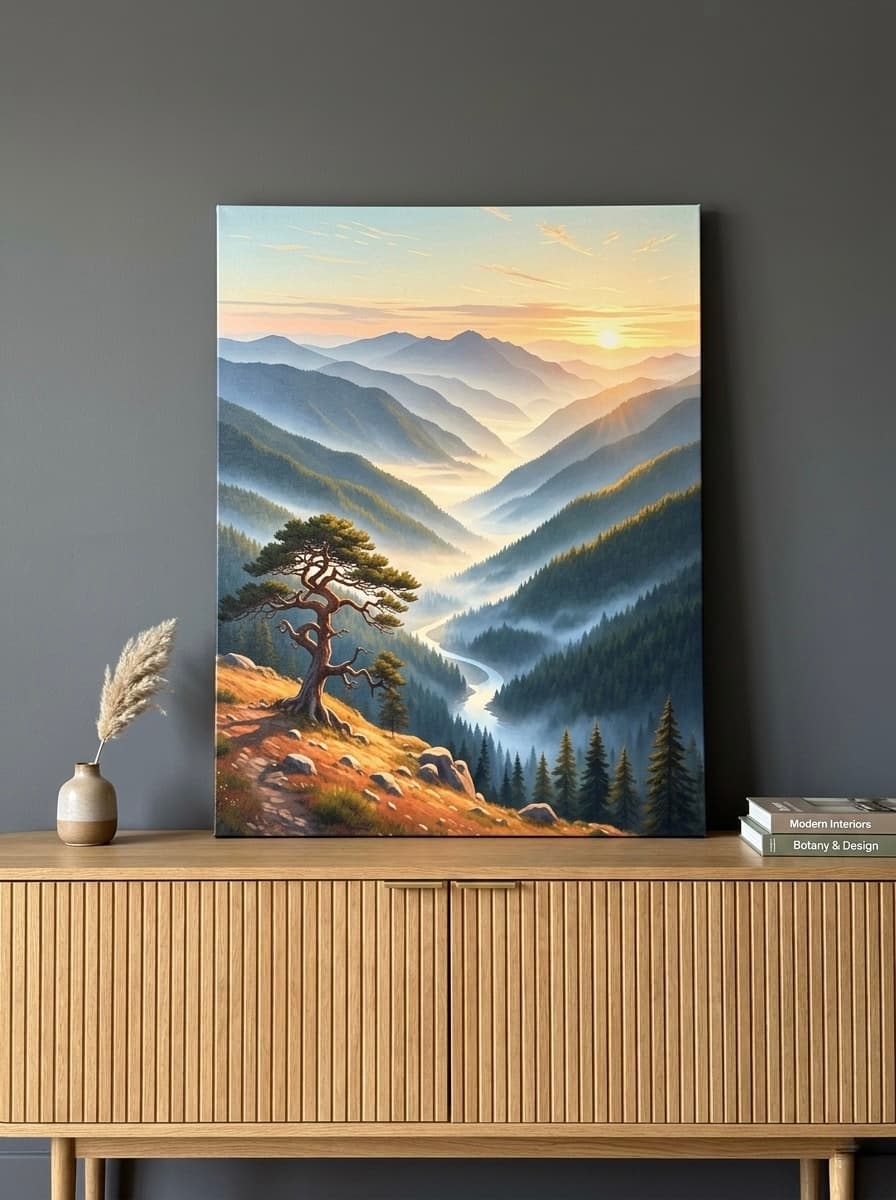
In our experience, a single large canvas is almost always the fastest way to transform a room. When you hang one piece that measures 80 to 120 cm wide (31 to 47 inches), the eye travels directly to it and the rest of the room feels intentional and curated. There is a reason museums do not hang twelve small paintings side by side on every wall , focused attention creates emotional impact.
Research published in the Journal of Environmental Psychology confirms that a single dominant focal point in a room reduces visual noise and lowers perceived stress levels. We have found this holds true in home settings too. Customers who swap a cluttered arrangement for one large canvas consistently report that the room feels calmer and more expensive, even when no other changes are made.
The practical benefits are real. A single piece takes roughly 20 minutes to hang compared to 2 to 4 hours for a full gallery wall. You need one nail, one level check, and one decision. That simplicity matters if you rent your home or move frequently.
Best scenarios for a single piece:
- Above a sofa or bed where a strong focal point anchors the furniture
- In a minimalist or Scandinavian-style interior where white space is part of the design
- Small rooms under 12 square metres (130 square feet) where multiple frames would feel crowded
- Renters who want maximum impact with minimum wall damage
One important sizing rule: the artwork should span 60 to 75 percent of the furniture width below it. For a standard 2-metre (79-inch) sofa, that means choosing a canvas between 120 and 150 cm wide (47 to 59 inches). Going smaller makes the piece look like an afterthought. Going wider than the furniture creates an imbalanced top-heaviness.
Our customers tell us that committing to a single bold piece feels risky at first, but after living with it for a week, nearly all of them say they wish they had gone even larger. Scale is rarely the problem; going too small almost always is.
2. Why Gallery Walls Work So Well
A gallery wall is not just a collection of pictures , it is a curated composition that functions as one large art installation. When done correctly, a gallery arrangement covering 150 to 200 cm wide by 120 to 150 cm tall (59 to 79 inches wide by 47 to 59 inches tall) has the same visual weight as a single oversized canvas, but with far more personality and flexibility.
The American Society of Interior Designers notes that layered visual environments, including gallery walls, activate more areas of the brain simultaneously than a single focal point, leading to richer emotional engagement with a space. We have found this translates into rooms that guests remember and comment on long after their visit.
Gallery walls also solve a problem that single pieces cannot: they let you tell a story. You can mix abstract art with nature prints, combine bold colors with neutral tones, and rotate pieces in and out over time without redesigning the entire arrangement. This flexibility makes gallery walls especially popular with collectors who add to their art over years.
Best scenarios for a gallery wall:
- Long hallways and staircase walls where a single piece would look lost
- Open-plan living areas where a large wall needs substantial coverage
- Eclectic or maximalist interiors where layering is part of the aesthetic
- Home offices and creative studios where inspiration from multiple images fuels productivity
- Families who want to mix art prints with personal photographs
The key to a gallery wall that looks deliberate rather than chaotic is limiting your spacing. We recommend 5 to 8 cm (2 to 3 inches) between frames. Closer spacing unifies the group into one visual unit. Wider gaps let the pieces drift apart and the arrangement starts to look accidental.
In our experience, the most successful gallery walls use a consistent frame style or color palette. You can vary the artwork wildly, but if every frame is the same black or natural wood finish, the wall reads as cohesive. Mixing four different frame finishes across seven pieces is the fastest route to a cluttered result.
3. Choosing by Room Size and Layout
Room dimensions are the single most reliable guide for this decision. Here is how we think through it with customers during design consultations:
Small rooms (under 15 square metres, 161 square feet): A single piece in the 60 to 80 cm (24 to 31 inch) range is almost always better. A gallery wall in a small room competes with the furniture and architectural details, making everything feel busier. The one exception is a narrow vertical stack of 2 to 3 canvases on a small accent wall, which draws the eye upward and makes the ceiling feel higher.
Medium rooms (15 to 30 square metres, 161 to 323 square feet): Both options work well here. A single large canvas measuring 100 to 140 cm wide (39 to 55 inches) creates a strong focal point. A 5 to 7 piece gallery arrangement achieves similar coverage. Your decision comes down to personal style and how much time you want to invest in the installation.
Large rooms (over 30 square metres, 323 square feet): A single piece under 100 cm (39 inches) will look undersized and orphaned on a large wall. You need either an oversized canvas of 150 cm wide or more (59 inches or more), or a gallery wall spanning at least 180 cm (71 inches). We have found that large open-plan rooms almost always benefit from a gallery wall on the primary focal wall , it gives the space a sense of warmth and inhabitation that a single piece struggles to achieve alone.
Specific wall layouts to consider:
- Above a fireplace: single piece, portrait orientation, no wider than the mantle
- Staircase wall: gallery wall, ascending arrangement that follows the stair angle
- Hallway under 90 cm (35 inches) wide: single pieces in sequence, 60 to 90 cm apart
- Dining room: single piece or symmetrical pair, centered above the table or on the wall behind the host seat
See our guide on how to create a focal point with accent wall art for room-by-room advice, and our post on wall art in open floor plans for large living spaces.
4. Budget and Long-Term Flexibility
This is where the comparison gets genuinely nuanced. A single statement canvas from our collection ranges from $89 to $249 depending on size and framing. A gallery wall of 6 to 8 pieces will typically run $300 to $600 for the art alone, plus framing and hanging hardware.
But raw cost is only part of the equation. We have found that long-term flexibility matters just as much for most buyers:
Single piece flexibility: When you tire of a single piece, you replace one canvas. The cost to refresh your room is low and the swap takes 10 minutes. The downside is that your room's entire art story rests on one choice, so if your taste shifts, the whole wall changes.
Gallery wall flexibility: You can refresh a gallery wall one piece at a time, which spreads cost over months or years. Collectors love this because they can add to the wall as they discover new artists or pieces that speak to them. The downside is that changing the layout means re-planning the entire arrangement, which can take an afternoon.
According to interior design research published by the American Society of Interior Designers, most homeowners refresh their art every 3 to 5 years. If you fall into that category, a single piece is often the more economical choice. If you are the type to rearrange and add constantly, a gallery wall pays off in flexibility.
One cost factor many buyers overlook is framing. A framed canvas costs 20 to 40 percent more than an unframed print, but it also lasts longer, protects the art, and typically adds perceived value to the room. Our framed vs unframed guide covers this in detail.
Our recommendation: if your budget is under $150, go with one strong single piece in the largest size your budget allows. If your budget is $300 or more, consider whether a gallery wall of 4 to 6 smaller pieces would give you more coverage and personality for the same spend.
Our Top Picks for Both Approaches
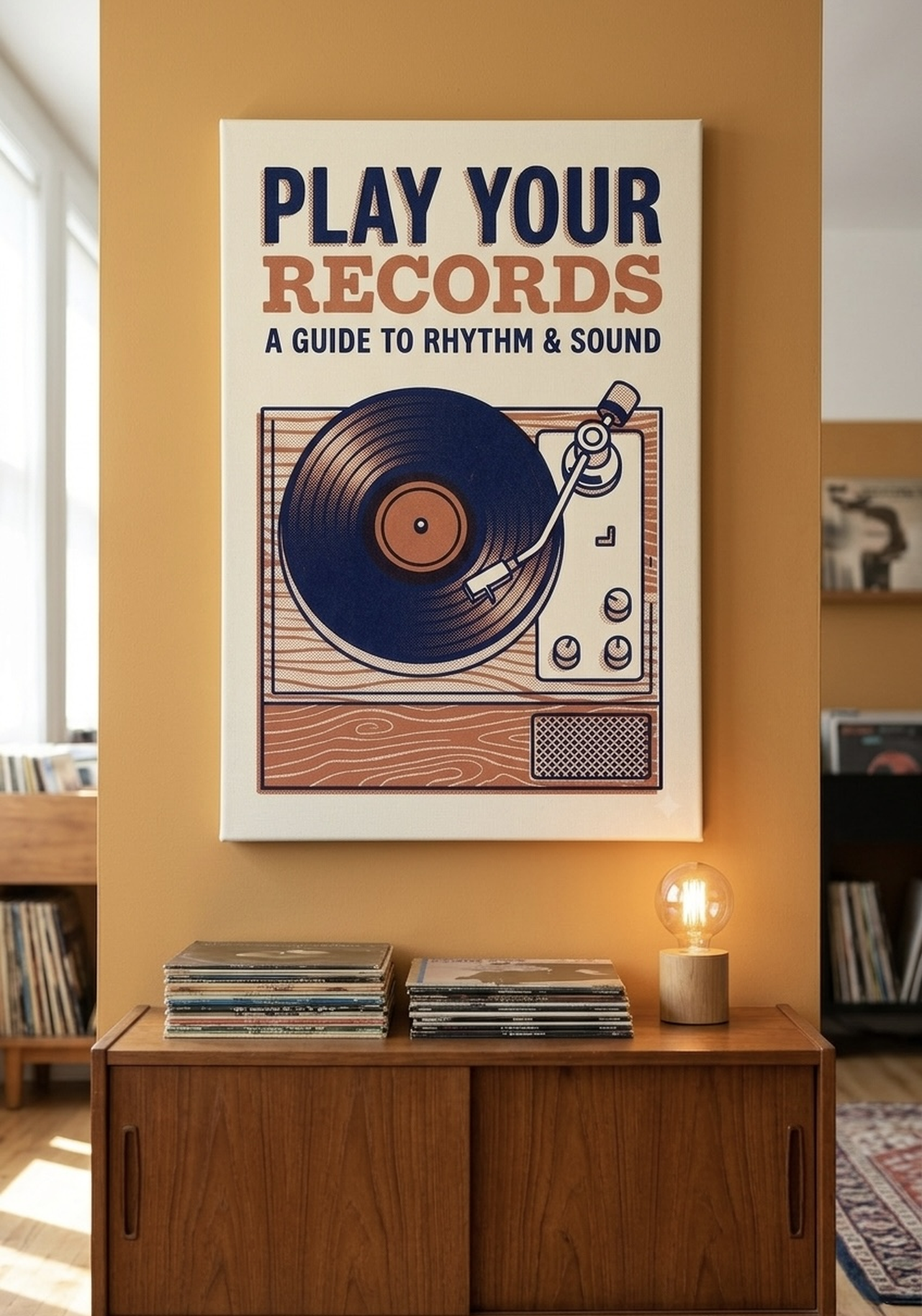
Whether you are planning a dramatic single canvas or building out a gallery wall, these pieces from our collection work beautifully in both contexts. Each is available in multiple sizes and framing options.
The Birch Forest Canvas Wall Art is one of our most-requested single statement pieces. The warm copper and gold tones read as one unified composition, making it ideal as a standalone above a sofa or bed. At 100 cm wide (39 inches), it has enough presence to anchor a medium-sized living room without overwhelming it. View the Birch Forest Canvas →
The Volcano Canvas Wall Art brings dramatic amber and orange tones that work equally well as a single focal point or as the anchor piece in a gallery arrangement. The sweeping landscape composition means it reads powerfully from across the room, which is exactly what a statement piece needs to do. View the Volcano Canvas →
The Mountain Lion Canvas Wall Art is a natural gallery wall contributor. The tawny and blue palette bridges warm and cool tones, making it easy to pair with other pieces. We have seen this used as the center anchor in a 5-piece symmetrical gallery wall to stunning effect. View the Mountain Lion Canvas →
The Geometric Starburst Canvas Print in coral and red is an ideal gallery wall piece precisely because of its bold geometric pattern. Strong geometric art creates visual anchors in a multi-piece arrangement and prevents the wall from reading as a random collection. Pair it with softer organic pieces for the best contrast. View the Geometric Starburst Canvas →
The Curated Objects Collage Canvas Print in blush and cream is a gallery wall specialist. Its collage-style composition echoes the layered, collected feeling of a well-curated wall, making it feel at home in any multi-piece arrangement. Place it in the lower right or left of your gallery grouping to balance a heavier anchor piece at the top. View the Curated Objects Collage →
The Giant Cassette Tape Art Canvas Print in charcoal and teal brings personality and nostalgia to any arrangement. As a single piece in a music room, home office, or teenager's bedroom, it commands immediate attention. In a gallery wall, it adds a pop of wit and contrast that prevents the arrangement from feeling too serious. View the Cassette Tape Canvas →
For more large-format options that work as single statements, browse our guide on small vs large wall art. And if you are planning a staircase gallery wall, our staircase gallery wall guide covers every step of the process.
5. Placement and Hanging Guide
Good art hung badly still looks bad. Here is the practical guide we give every customer before they pick up a hammer.
Hanging a Single Piece
The museum standard is to hang the center of the artwork at 145 cm (57 inches) from the floor, which aligns with average eye level when standing. This rule works in almost every room. The exceptions are art hung above furniture , in that case, the bottom edge of the frame should sit 15 to 25 cm (6 to 10 inches) above the furniture surface. Closer than 15 cm creates a floating disconnected look; further than 25 cm breaks the visual link between the furniture and the art.
Use a laser level or the free bubble-level app on your phone. A painting that is even 2 degrees off-level is noticeable to most people within seconds of entering a room, even if they cannot articulate why the room feels slightly off. Tribeca Printworks has an excellent visual guide to the 57-inch rule if you need a reference.
Building a Gallery Wall
Start by cutting paper templates of each frame, then tape them to the wall with painter's tape. Live with the layout for 24 hours before committing to nails. We have found that what looks good in the moment often needs adjustment after you step away and come back with fresh eyes.
The anchor rule: place your largest piece first, roughly centered on the wall at standard eye height. Build outward from that anchor, keeping 5 to 8 cm (2 to 3 inches) between every frame. If your largest piece is a landscape canvas at 80 cm wide (31 inches), place it at the center and arrange smaller pieces , in the 30 to 50 cm (12 to 20 inch) range , around it in a loose grid or organic cluster.
For an asymmetrical arrangement, create visual balance by placing heavier, darker, or larger pieces on the opposite side from a cluster of smaller pieces. Think of it like balancing a scale: one large item can balance three smaller ones of equal combined visual weight.
Hardware tip: for canvases over 60 cm (24 inches), always use two hanging points, not one. A single hook allows the canvas to rotate over time. Two hooks maintain the level and keep the piece secure, especially in homes with foot traffic or children.
6. Five Common Mistakes to Avoid
Mistake 1: Hanging Art Too High
This is the single most common error we see. Many people instinctively hang art at their own eye level when standing close to the wall, which places it 10 to 15 cm (4 to 6 inches) above the recommended 145 cm (57 inch) center height. Step back 2 to 3 metres (7 to 10 feet) from the wall and check: if you have to tilt your head upward to look at the center of the artwork, it is too high.
Mistake 2: Choosing Art That Is Too Small
A 40 cm (16 inch) canvas on a 3-metre (10-foot) wall looks like a postage stamp. We have found that customers consistently underestimate how much wall space they have and how large a piece needs to be to fill it. The rule: your art should cover at least 50 percent of the wall width for a single piece, or 60 percent when spanning a gallery arrangement.
Mistake 3: Inconsistent Spacing in Gallery Walls
Spacing that varies from 3 cm on one side to 15 cm on another creates a chaotic result that reads as disorganized rather than eclectic. Choose a spacing and hold it. Use a small piece of cardboard cut to your chosen gap size as a spacer between frames while you nail. Consistency is what separates a professional-looking gallery wall from a haphazard collection.
Mistake 4: Ignoring the Relationship Between Art and Furniture
Art does not exist in isolation. A tall narrow canvas on a wall above a wide low sideboard creates an imbalance that makes both the furniture and the art look wrong. Match the visual weight of the art to the furniture: a wide sofa calls for wide landscape art or a wide gallery arrangement; a tall bookshelf calls for portrait-orientation art stacked vertically beside it.
Mistake 5: Mixing Too Many Frame Finishes
Four different frame finishes across six pieces is a design dead-end. Limit yourself to one or two frame styles maximum in any gallery arrangement. Black frames are the most versatile and work across every style from modern to farmhouse. Natural wood frames warm up neutral spaces. White frames complement bright, airy interiors. Choose one and commit.
7. Frequently Asked Questions
Is a gallery wall or a single piece better for a small room?
A single piece is almost always better for rooms under 15 square metres (161 square feet). Gallery walls in small rooms compete with furniture and architectural details, making the space feel busier. Choose one canvas in the 60 to 80 cm (24 to 31 inch) range and let it breathe.
How many pieces should a gallery wall have?
Most successful gallery walls have 5 to 9 pieces. Fewer than 5 can look sparse and unresolved unless you use very large frames. More than 9 becomes difficult to arrange cohesively. A grouping of 6 to 7 pieces is the sweet spot for most living rooms and dining rooms.
What is the ideal spacing between frames in a gallery wall?
5 to 8 cm (2 to 3 inches) between frames is the standard recommendation. Closer spacing makes the grouping feel cohesive and unified. Use a consistent gap throughout the entire wall for the cleanest result.
How high should I hang a single piece of art?
The center of the artwork should be at 145 cm (57 inches) from the floor, the international gallery standard based on average standing eye level. When hanging above furniture, the bottom edge of the frame should sit 15 to 25 cm (6 to 10 inches) above the furniture surface.
Can I mix single pieces and gallery walls in the same home?
Absolutely, and in our experience this is the most effective approach. Use a single statement piece in calm rooms like bedrooms. Use gallery walls in social spaces like living rooms and hallways where energy and personality are welcome.
What size canvas works best above a sofa?
The canvas should span 60 to 75 percent of the sofa width. For a standard 2-metre (79-inch) sofa, choose a canvas between 120 and 150 cm wide (47 to 59 inches). The bottom edge should sit 15 to 25 cm (6 to 10 inches) above the sofa back.
8. Quick Reference: Gallery Wall vs Single Art Piece
Use this table for a fast side-by-side comparison before making your decision.
| Factor | Single Piece | Gallery Wall |
|---|---|---|
| Installation time | 15 to 30 minutes | 2 to 4 hours |
| Typical cost | $89 to $249 | $300 to $600 for 6 to 8 pieces |
| Best room size | Any, especially small rooms | Medium to large rooms |
| Visual complexity | Low to medium, focused | Medium to high, layered |
| Refresh cost | Replace one piece, low cost | Replace individual pieces over time |
| Interior style fit | Minimalist, Scandinavian, modern | Eclectic, maximalist, traditional |
| Renter friendly | Yes, minimal wall damage | Less so, multiple nail holes |
| Storytelling potential | One strong narrative | Multiple layered narratives |
| Works above sofa | Yes, ideal | Yes, with planning |
| Works in hallway | Sequence of single pieces | Ideal for long hallways |
Ready to Make Your Choice?
Whether you are going bold with a single canvas or building a gallery wall that tells your story, we have the art to make it happen. Every piece ships ready to hang, with premium framing options available.
Research from PMC's study on living spaces and psychological well-being confirms that intentional art placement improves how we feel in our homes every single day. That investment is always worth making.
Browse the Full Collection →