Kids Playroom Wall Art: Fun and Colorful Ideas for 2026
The Heva Team
Art Curators & Interior Design Enthusiasts · April 17, 2026 · 14 min read
Discover fun, colorful kids playroom wall art ideas for 2026. From woodland animals to arctic wildlife, find framed canvas prints children love at Heva Unique Art Gallery.
A child's playroom is more than a place to keep toys tidy. It is a world of imagination, discovery, and growth. The walls of that room can be blank canvases or they can be the first thing that sparks creativity every single morning. Many child development experts agree that the visual environment plays a meaningful role in how children engage, learn, and feel at ease. Colorful, thoughtfully chosen wall art transforms a playroom from a functional space into a place children genuinely love to be in. Whether your child is drawn to animals, nature scenes, or whimsical characters, the right framed canvas print can make all the difference in building a room that grows alongside them.
Ready to transform your child's playroom? Browse our collection.
Why Art Matters in Kids Spaces
Research consistently shows that a visually rich environment supports children's brain development during their most formative years. Visual stimulation helps build neural pathways related to pattern recognition, spatial reasoning, and emotional processing. A University of Cambridge review of early childhood environments found that classroom design and decor accounted for a measurable portion of academic progress over a school year. While that research focused on classrooms, the principles apply equally to the home playroom.
Nature imagery specifically carries well-documented calming effects for children. Studies summarized by the Children and Nature Network indicate that exposure to natural scenes, even through artwork and photography, can help reduce stress responses in children and support attentional capacity. An image of woodland animals, garden birds, or arctic wildlife on the playroom wall gives a child a daily dose of the natural world even in an urban apartment.
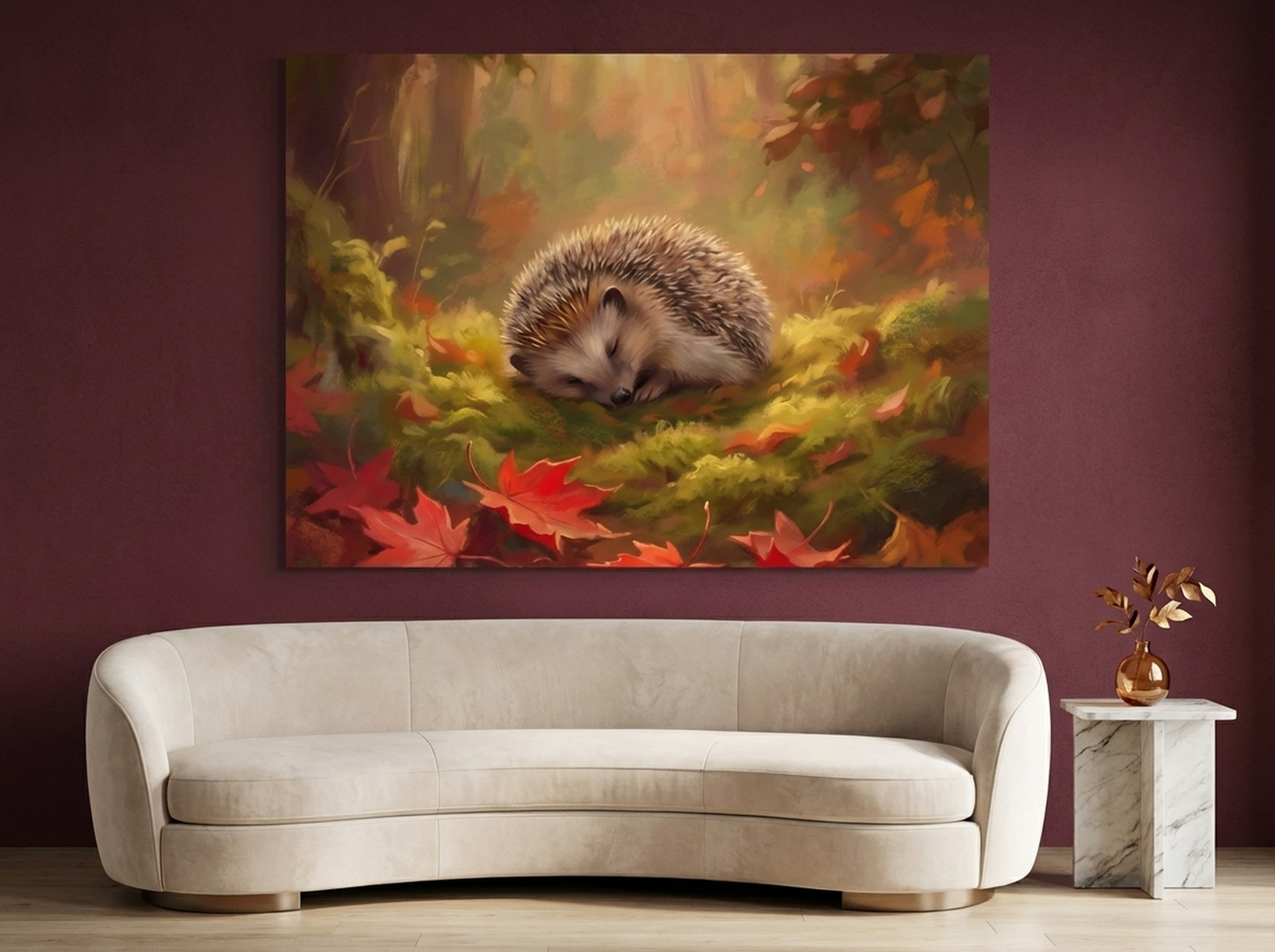
Art also gives children something to talk about. A framed print of a hedgehog tucked among autumn leaves invites storytelling. Children create narratives around the images they see every day, building language skills, empathy, and imaginative capacity in the process. Art is not decoration. It is a quiet conversation between the image and the child.
Child psychologists also note the emotional significance of a personalized space. When children have input into their room decor, even something as simple as choosing between two prints, they develop a sense of ownership and pride in their environment. This translates into better self-regulation and willingness to spend independent time in that space. For parents, that is an enormous win. For more on how the visual environment influences mood and energy in any room, see our guide on colorful wall art for vibrant room energy.
Choosing Themes for a Playroom
Choosing artwork for a child's playroom requires balancing immediate appeal with longevity. A three-year-old obsessed with one cartoon character may outgrow that theme within eighteen months. The best kids playroom wall art strikes a balance between fun and timeless, so parents do not need to redecorate every few years.
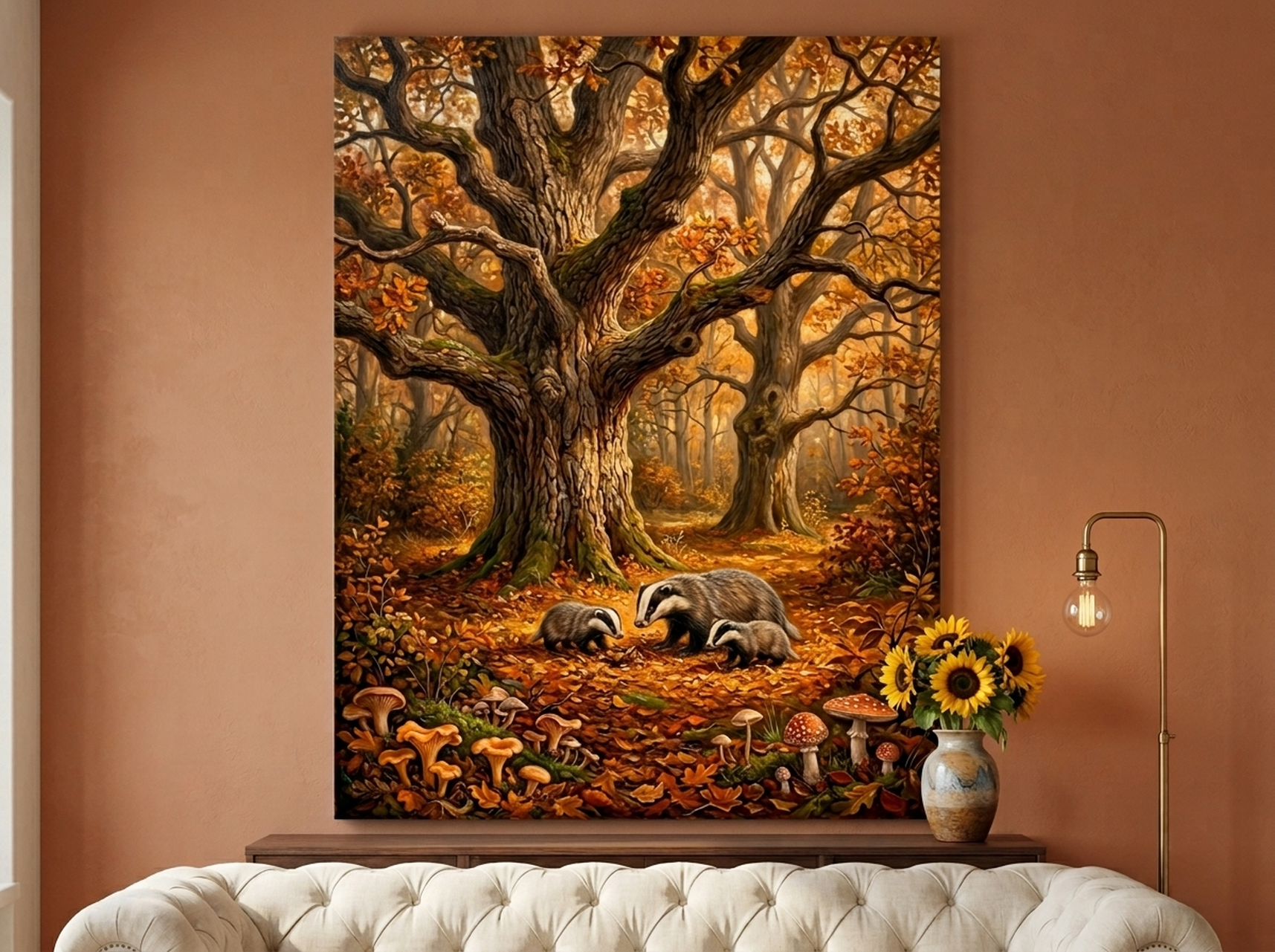
Animal themes consistently rank as the most universally loved across age groups and genders. From tiny hedgehogs to majestic arctic creatures, animal art holds children's attention because animals invite empathy and curiosity. Children anthropomorphize animals naturally, assigning personalities and stories to each creature. A woodland badger family on canvas becomes a cast of characters in a child's ongoing imaginative world.
Nature-based themes also offer a gender-neutral option that suits shared playrooms and avoids the pitfall of overly prescriptive decor. Botanical prints, watercolor animals, and soft landscape scenes create a cohesive aesthetic that works with almost any color scheme, from bright primaries to muted pastels.
When comparing canvas prints to paper posters, canvas wins on nearly every count for a playroom environment. Canvas is more durable and resists humidity, which matters in spaces where children play actively. Canvas prints have a dimensional quality that paper posters lack, giving the artwork a finished, gallery-quality presence that elevates the room. Framed canvas arrives ready to hang, with no need for frames, mats, or glass, which also removes a safety concern in a child's space. For inspiration on botanical themes that work beautifully across rooms, see our post on botanical wall art for bringing plants indoors.
Abstract art can work well for older children and tweens who are developing their own aesthetic sensibilities. Younger children, however, tend to respond more strongly to representational imagery they can name and relate to. Mixing one or two bold color-driven abstract pieces with representational animal prints can add sophistication to a playroom without losing the warmth and playfulness the space needs.
Consider also how the art will look as your child grows. A well-chosen nature canvas that delighted a toddler can be rehung in a teenager's room with equal impact. The investment in quality canvas prints pays off over many years of use.
6 Fun and Colorful Art Picks
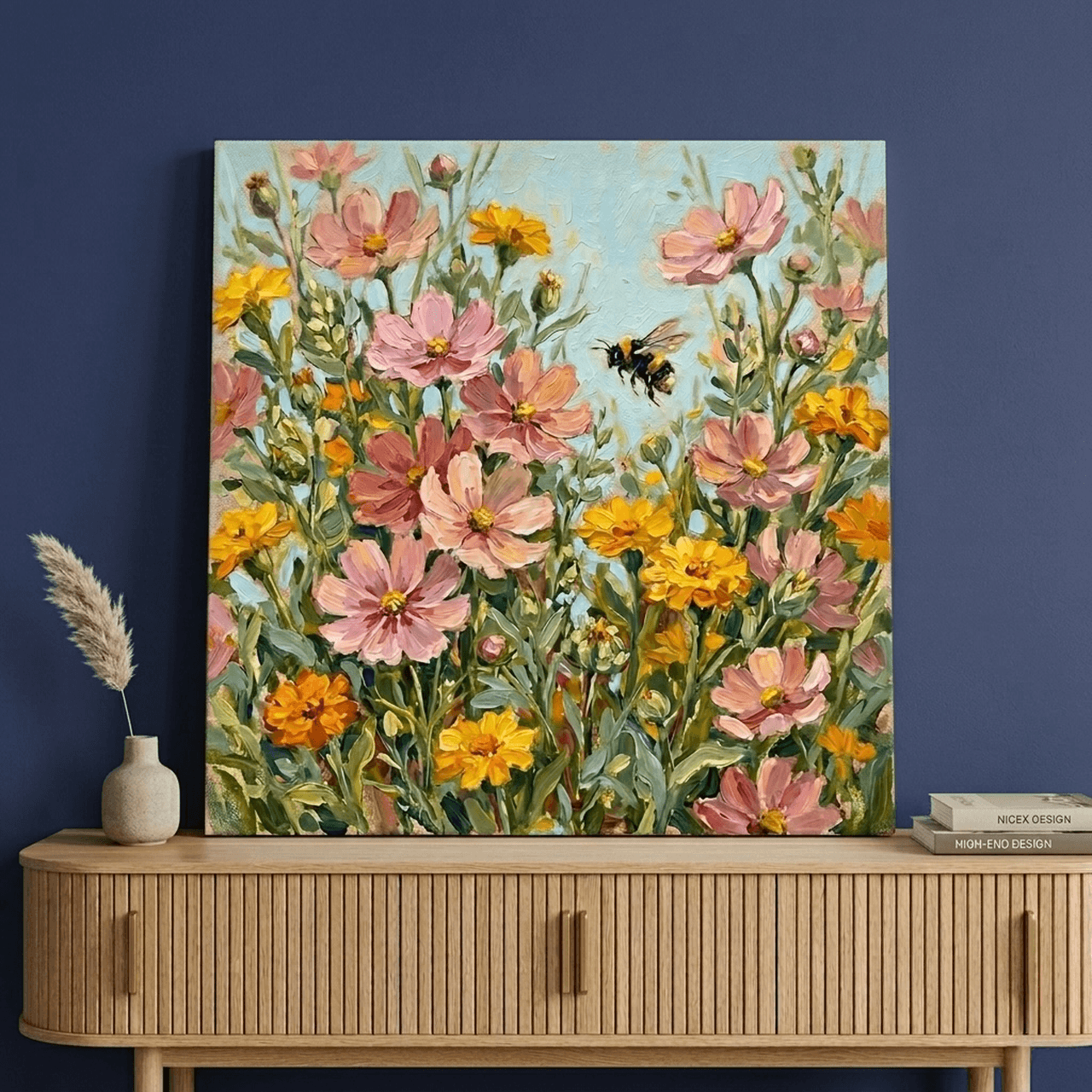
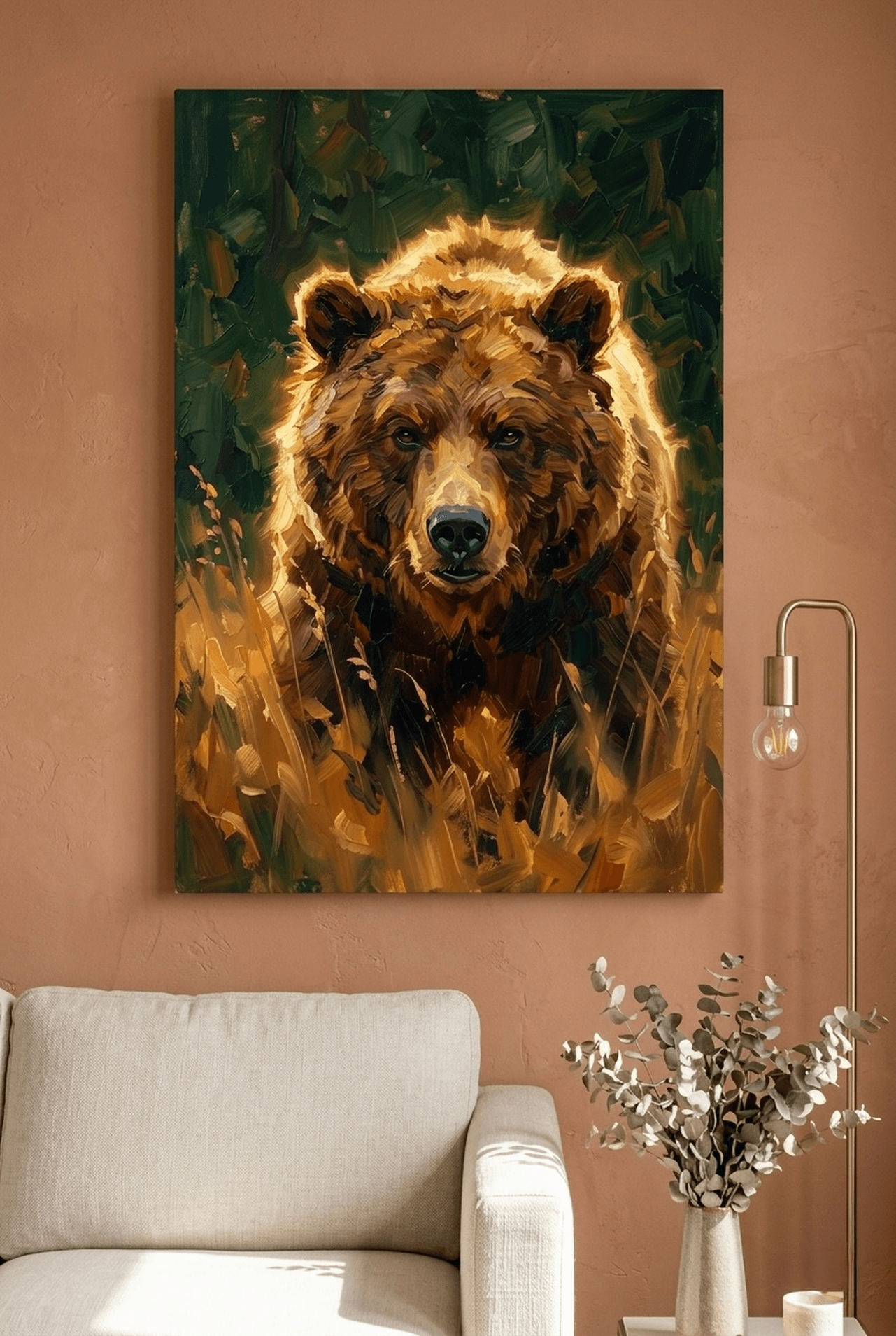
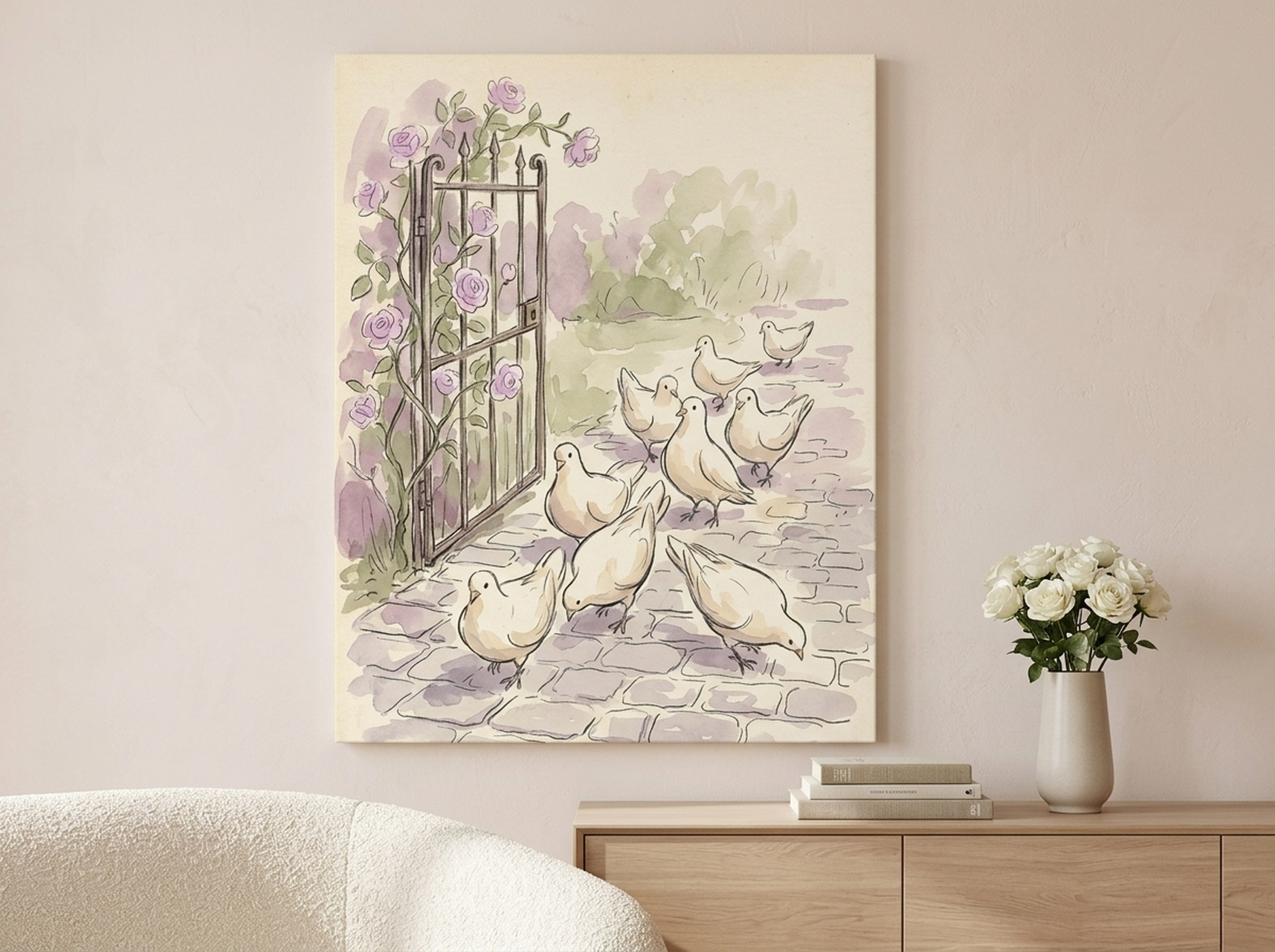
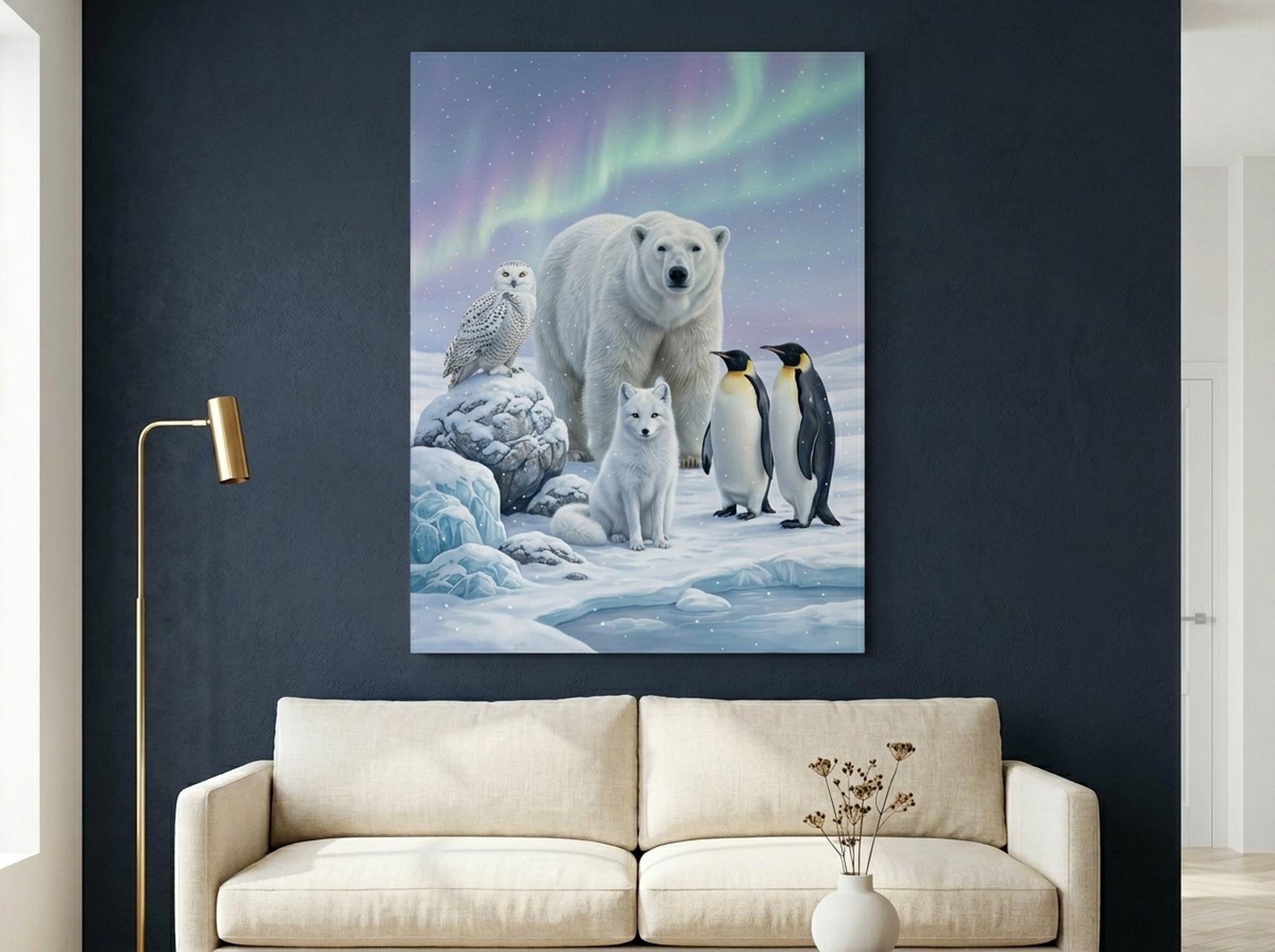
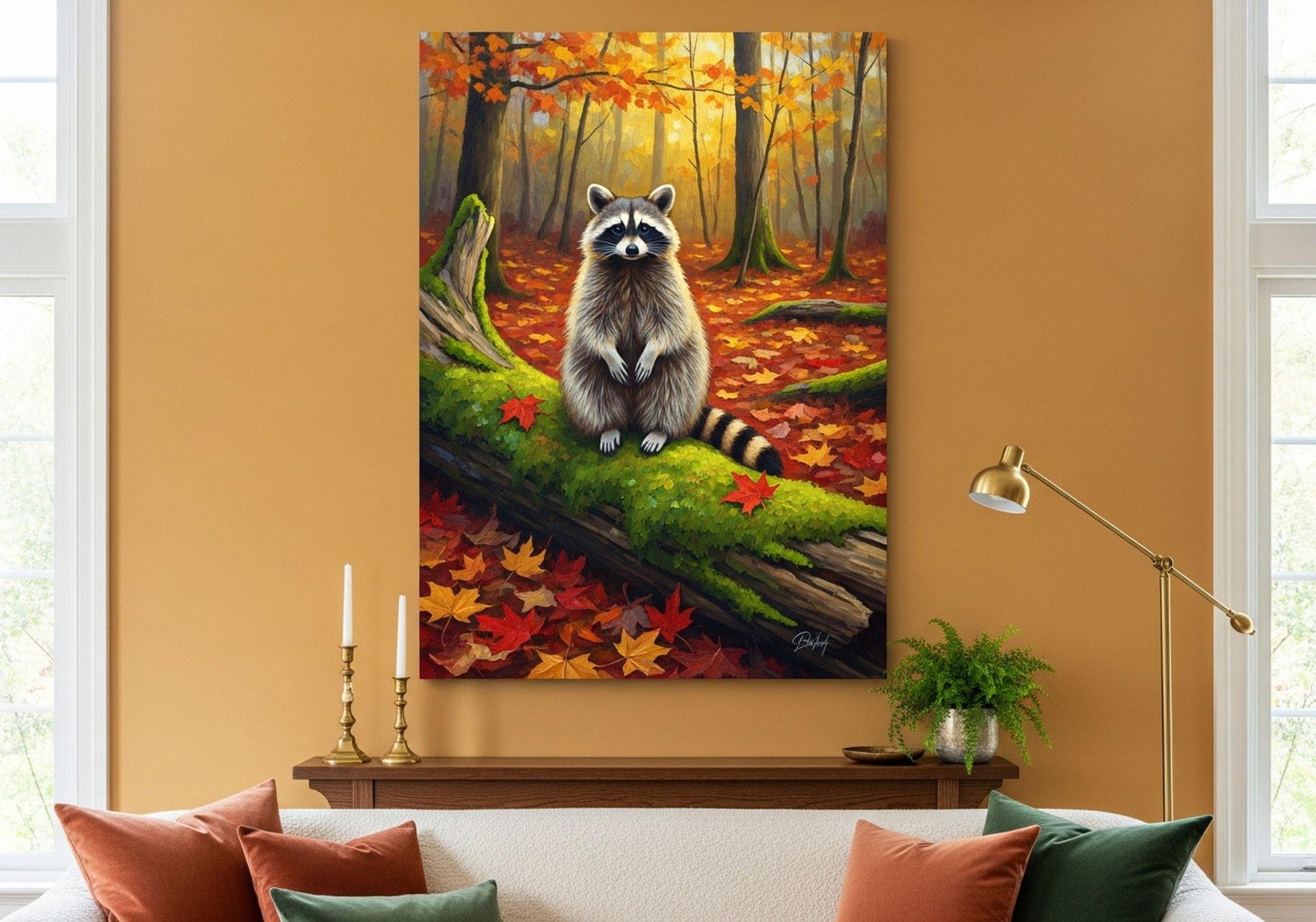
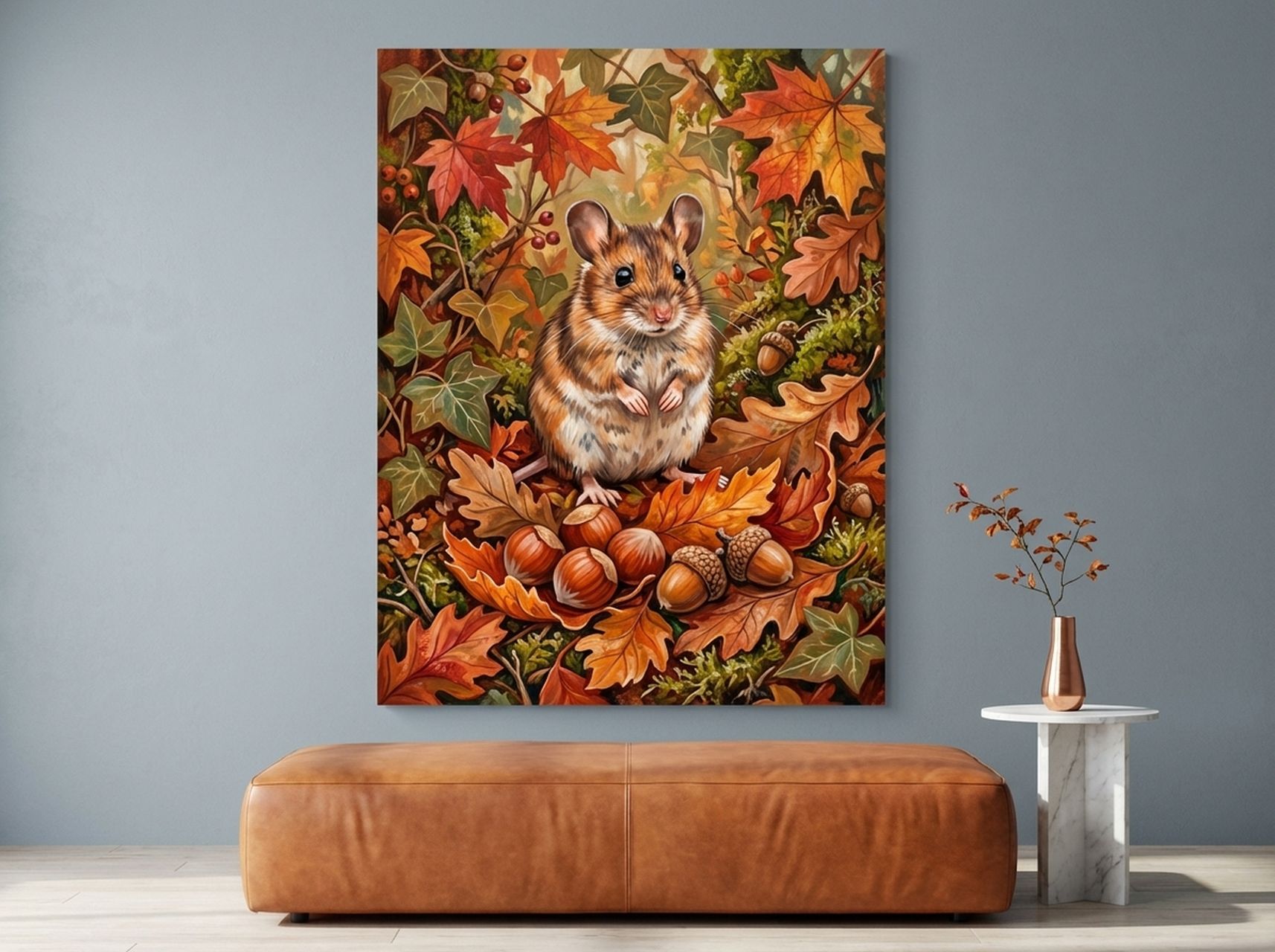
These six pieces from Heva Unique Art Gallery are perfectly suited for bringing warmth, color, and character to any child's playroom. Each is available as a framed canvas print in multiple sizes, ready to hang the moment it arrives.
Placement and Height Guide
Where you hang artwork in a playroom matters as much as which art you choose. Adults instinctively hang pictures at their own eye level, which is typically 57 to 60 inches from the floor to the center of the piece. In a playroom, this means the art is often completely out of a child's sightline. Most children aged two to eight have eye levels between 36 and 48 inches from the floor. Hanging artwork so the center sits at approximately 42 inches puts it squarely in the child's natural field of vision.
For a standard playroom with eight-foot ceilings, consider hanging a cluster of two to three pieces between 36 and 52 inches from the floor. This creates a gallery wall at child height that can expand over time as you add new pieces. Leave at least four to six inches between frames for a clean look, or increase spacing to eight to twelve inches for a more casual, breathing arrangement.
Anchoring art to furniture is a reliable placement strategy. Above a low bookshelf or toy storage unit, art sits naturally at child height without you needing to do any math. The furniture acts as a visual anchor that makes the overall arrangement feel intentional and designed.
Safety is a genuine consideration in a playroom. Canvas prints on sturdy wall anchors or picture rails present very little risk compared to glass-fronted frames. Always use two anchor points per piece rather than a single center hook, which can allow the frame to tip and swing. For heavier canvas prints in larger sizes, use wall studs rather than drywall anchors. If you are unsure about placement height or number of pieces relative to room size, our wall art sizing and placement guide covers the principles in detail and most apply equally well to kids rooms.
In terms of how many pieces a playroom wall needs, a good rule of thumb is one large anchor piece (24 inches or larger) per wall, supplemented by two to four smaller pieces grouped nearby. For an average ten by ten playroom, four to six pieces total tends to fill the space without overwhelming it. Children's spaces benefit from some breathing room on the walls, leaving space for children's own artwork to be displayed alongside the canvas prints.
Art Choices by Age and Stage
Understanding how children's visual preferences and developmental needs shift across age groups helps you make art choices that feel right both now and in the years to come.
For babies and toddlers from birth to about two years old, the most effective artwork features high contrast, bold shapes, and simple subjects. Young infants initially see in limited color ranges and respond most strongly to strong contrast between light and dark. As vision develops through the first year, brighter colors and distinct shapes become increasingly engaging. Simple animal portraits with clear outlines and warm colors are ideal for this stage.
Preschoolers between three and five years old are in a prime storytelling phase. They respond deeply to artwork featuring animals with expressive faces, family groupings, and scenes that imply a narrative. The woodland badger family and garden doves prints work especially well for this age, as children at this stage will create elaborate stories about the characters they see on the wall. Bold, saturated colors also appeal strongly to preschoolers.
School-age children from six to ten are developing stronger individual interests and benefit from art that connects to their curiosity about the natural world, animals, science, and exploration. Arctic and woodland wildlife prints hold appeal for this group because children at this stage enjoy learning facts about the creatures they encounter. A raccoon print can prompt conversations about habitats, nocturnal animals, and ecosystems.
Tweens from eleven to thirteen are developing personal aesthetic preferences and often want their spaces to feel more sophisticated and less babyish. Nature canvas prints work exceptionally well for this transition because they retain warmth and character without feeling childlike. A well-chosen canvas print that felt playful at age six can feel genuinely cool and artful by age twelve, especially in a larger format with a sleek black or espresso frame.
The investment in quality canvas art pays off across all these stages because the prints do not need replacing as your child grows. They simply shift in meaning and context. For additional ideas on how nature-inspired prints work across different rooms and life stages, see our guide to nature photography prints for home decor.
5 Common Mistakes to Avoid
- Hanging everything at adult eye level. This is the most common playroom decorating mistake. Art hung at 57 to 60 inches center height puts it entirely above a young child's sightline. Drop art to 42 to 48 inches for children aged two to eight so they can actually see and enjoy it.
- Choosing ultra-trendy themes with short shelf lives. Art featuring a currently popular cartoon character or franchise can feel dated within two years as a child's interests evolve. Nature and animal themes age beautifully and rarely go out of style, making them a far safer long-term investment.
- Using paper posters in an active play environment. Paper posters are easily torn, buckle in humid conditions, and require glass frames that pose a safety risk. Canvas prints are the practical choice for playrooms. They are durable, frame-free, and ready to hang without any finishing required.
- Overcrowding walls without negative space. More art is not always better. A wall crowded with overlapping prints and decorations creates visual chaos that can feel stimulating in an unhelpful way. Leave breathing room between pieces and give each print space to be seen clearly.
- Forgetting to leave wall space for the child's own work. Children's self-made art displayed alongside gallery-quality canvas prints sends a powerful message about the value of their creativity. Plan for a dedicated display area, whether that is a simple string and clips system or a small corkboard, so children can rotate their own masterpieces alongside the permanent prints.
Frequently Asked Questions
What size canvas is best for a kids playroom?
For most playrooms, a medium size between 16 by 20 inches and 24 by 30 inches works well as an anchor piece on the main wall. Smaller sizes between 8 by 10 and 12 by 16 inches work well for grouped arrangements or as accent pieces alongside a larger print. Larger formats above 30 inches make a dramatic statement in bigger playrooms or as a single focal point piece above a play table or reading nook. Always measure the wall space before ordering and aim for the art to occupy roughly two-thirds of the available wall width for a balanced look.
Are framed canvas prints safe for a child's room?
Framed canvas prints are one of the safest options for children's rooms. They are lighter than traditional framed artwork with glass, eliminating the risk of shattered glass. They require no matting or glass that could crack. As long as the prints are properly anchored to wall studs or secure wall anchors using two hanging points rather than a single hook, they are extremely stable and safe. Canvas prints from Heva Unique Art Gallery arrive with hanging hardware included and clear installation instructions.
What themes work best for a gender-neutral playroom?
Animal and nature themes are the clear winners for gender-neutral playrooms. Wildlife prints featuring hedgehogs, badgers, birds, raccoons, and arctic animals appeal strongly to children of all genders and avoid the pitfall of prescriptive color coding. Watercolor and oil painting styles add an artistic sophistication that parents appreciate alongside the playful subject matter. These themes also work cohesively together, so you can mix several different animal prints in the same room without the collection feeling disjointed.
How many pieces of wall art should a playroom have?
For an average playroom of roughly 100 to 150 square feet, four to six canvas prints create a well-decorated space without overwhelming the walls. A good arrangement might include one larger anchor piece on the main wall, a pair of medium prints flanking a window or doorway, and one to two smaller accent pieces on a secondary wall. The goal is variety and rhythm rather than uniform coverage. Leave at least one section of wall relatively clear to allow children's own artwork and creations to be displayed.
Can I use the same art as my child grows from toddler to tween?
Absolutely, and this is one of the strongest arguments for choosing quality canvas prints over inexpensive posters or character-branded decor. Nature and animal canvas prints from Heva Unique Art Gallery are designed to carry the artistic weight of adult decor while remaining warm and approachable for children. In our experience, parents regularly tell us that prints purchased for a nursery are still hanging and beloved in a ten-year-old's room. The subject matter shifts in meaning as the child grows, from a simple friendly animal to a genuinely interesting artistic composition.
Where do Heva canvas prints ship from and how long does delivery take?
Heva Unique Art Gallery Ships within the US from production facilities in the United States. Standard delivery times within the US typically range from five to ten business days after production. We ship to all 50 US states. Each print is produced on demand to ensure the freshest possible quality. You will receive tracking information as soon as your order ships. Visit our gallery at hevauniqueartgallery.com for full shipping details and current estimated timelines.
Quick Reference Guide
| Age Range | Best Art Themes | Recommended Size | Ideal Placement Height |
|---|---|---|---|
| 0 to 2 years | Bold animal portraits, high contrast nature scenes | 12x16 to 16x20 inches | 36 to 40 inches center height |
| 2 to 4 years | Watercolor animals, garden birds, woodland creatures | 16x20 to 20x24 inches | 38 to 42 inches center height |
| 4 to 6 years | Animal families, nursery wildlife, expressive characters | 20x24 to 24x30 inches | 40 to 44 inches center height |
| 6 to 9 years | Arctic animals, woodland scenes, nature exploration | 20x24 to 30x36 inches | 42 to 48 inches center height |
| 9 to 12 years | Detailed wildlife, botanical prints, nature art | 24x30 to 36x48 inches | 48 to 54 inches center height |
| 12 plus years | Bold nature prints, abstract art, mixed gallery wall | 24x30 to large format | 54 to 60 inches center height |
Kids playroom wall art is one of the most meaningful investments you can make in your child's daily environment. The right canvas print sparks imagination, invites storytelling, and creates a space your child genuinely loves. From the endearing Hedgehog Canvas Wall Art to the majestic Arctic Animals Nursery Canvas Wall Art, every piece in our nature collection is designed to bring joy and warmth to children's spaces. Explore the full collection and find the pieces that will become your child's favorites for years to come. Shop kids playroom wall art at Heva Unique Art Gallery.