Geometric Wall Art: Modern and Minimal Ideas for Every Room
The Heva Team
Art Curators & Interior Design Enthusiasts · April 2, 2026 · 10 min read
There is a reason geometric wall art has fascinated human beings for thousands of years. From the intricate tile work of Moorish palaces to the golden mosaics of Byzantine churches to the bold abstractions of the Bauhaus movement, geometry in art speaks a universal visual language: order, harmony, and the hidden mathematical beauty that underlies all of nature. In 2026, geometric art continues to be one of the most compelling choices for modern minimal interiors, and for good reason.
Browse our abstract and geometric collection for the perfect statement piece.
The History of Geometric Art
Geometric art is among the oldest forms of visual expression in human history. Archaeological evidence of geometric pattern-making dates back over 70,000 years, found in ochre engravings at Blombos Cave in South Africa. Across cultures and throughout centuries, human beings have been drawn to the satisfying order of repeating shapes, precise angles, and mathematical relationships made visible through art.
In Islamic art, geometric patterns reached perhaps their greatest sophistication. The prohibition on figurative representation in sacred spaces drove artists and craftspeople toward the extraordinary complexity of arabesque and girih tile patterns, where a limited set of geometric forms can be combined into infinite, non-repeating patterns of breathtaking intricacy. The great mosques and madrasas of Morocco, Persia, and Moorish Spain are encyclopedias of geometric possibility.
Ancient Egyptian art used geometry as a system of spiritual proportion. The human figure was constructed according to precise geometric grids, ensuring consistency and expressing the eternal, unchanging nature of divine subjects. The pyramids themselves are the world's most famous geometric works, mathematical achievements that have endured for 4,500 years.
In the early 20th century, the Bauhaus movement brought geometry into the modern home with radical confidence. Artists like Paul Klee, Wassily Kandinsky, and Herbert Bayer believed that geometric form was the foundation of all visual communication, and their work shaped the modernist aesthetic that still influences interior design today.
Contemporary geometric art draws on all of these traditions, from ancient sacred patterns to modernist abstraction, creating a rich visual vocabulary that feels simultaneously rooted in history and entirely of the present moment.
Modern Geometric Styles for 2026
Today's geometric wall art encompasses a remarkably broad range of styles. Understanding the key approaches helps you choose pieces that align with your aesthetic and your home's existing character.
Islamic-inspired arabesque: Intricate geometric stars, interlocking polygons, and repeating arabesques in warm gold, teal, and jewel tones. These pieces carry centuries of cultural history while feeling entirely contemporary in a modern interior. They work beautifully in living rooms, dining rooms, and anywhere a sense of depth and richness is desired.
Klimt-style mosaic: Gustav Klimt's revolutionary approach to portraiture incorporated geometric pattern as a fundamental expressive tool. His figures emerge from fields of gold-leafed geometric forms, creating a unique tension between organic human subjects and the mathematical precision of the surrounding patterns. Klimt-inspired art continues to be among the most popular choices for those who want geometric complexity with emotional warmth.
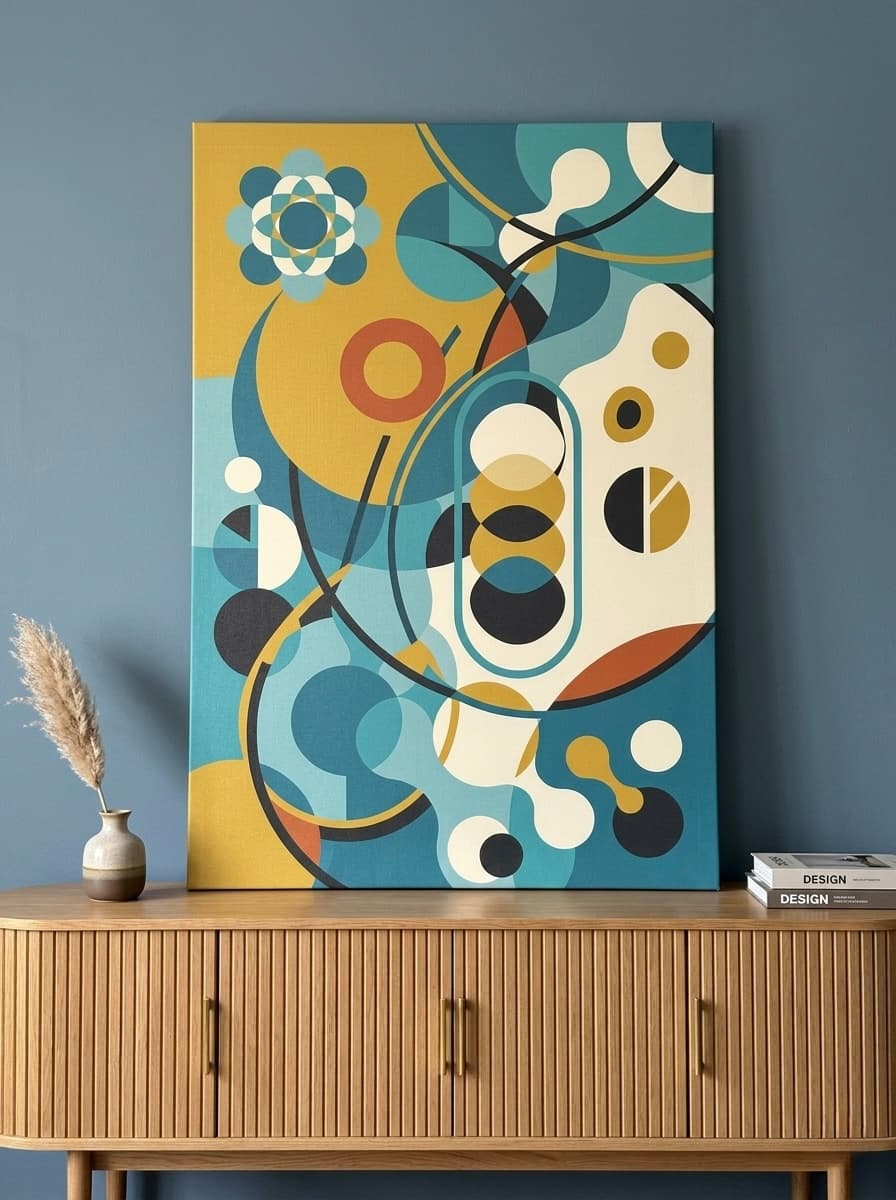
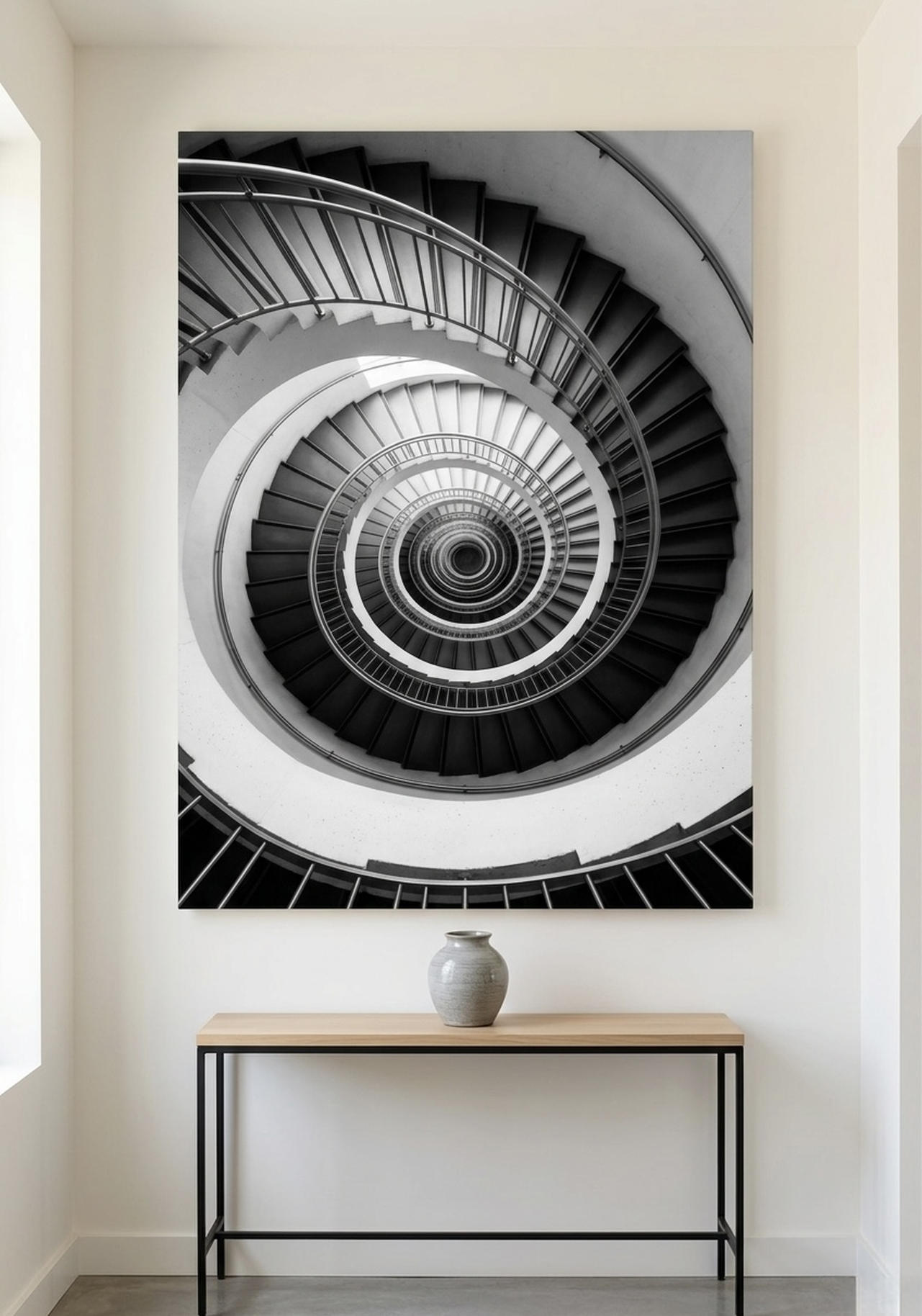
Op art and graphic geometry: Bold circles, spirals, and concentric forms that create visual movement through geometric repetition. These pieces are particularly striking in minimalist modern interiors where the clear forms and strong colors provide all the visual interest a room needs.
Sacred geometry and Eastern philosophy: Yin-yang forms, mandalas, and other geometric expressions of philosophical concepts create a meditative quality that suits bedrooms, home offices, and personal creative spaces. These pieces reward contemplation and become more meaningful the more time you spend with them.
Cultural geometric traditions: Mughal patterns, Moroccan tile-inspired compositions, Native American geometric art, and Egyptian geometric forms all bring specific cultural history and sophisticated pattern-making into contemporary spaces. These pieces add intellectual depth alongside visual beauty.
Room-by-Room Applications
Geometric art is versatile enough to work in virtually any room, but different spaces call for different approaches to pattern complexity and color intensity.
Living rooms: Large-scale geometric pieces in rich jewel tones, gold, or bold primary colors make powerful focal points in living rooms. Islamic geometric stars, Klimt-inspired mosaics, and large circular forms all create the visual presence needed to anchor a living room wall. For maximum impact, choose a single large geometric piece rather than multiple smaller works.
Home offices and studies: Geometric art encourages a particular kind of attentive looking that suits workspaces well. The visual pleasure of following a complex geometric pattern provides a contemplative break without the narrative distraction of figurative art. Sacred geometry, mandalas, and precise arabesque patterns are especially well-suited to home offices.
Dining rooms: Geometric art in warm, inviting tones (gold, terracotta, rich teal) creates an energizing yet sophisticated dining atmosphere. Mughal-inspired patterns, Moroccan tile art, and cultural geometric traditions bring a sense of ceremony and richness that elevates every meal taken in their presence.
Bedrooms: Calmer geometric forms (circular, flowing, balanced compositions) work best in bedrooms. The yin-yang circle, mandala-like patterns, and soft mosaic forms are more conducive to rest than jagged or high-contrast geometric compositions. Choose pieces in softer tones for the bedroom environment.
Hallways and transitional spaces: A single strong geometric piece in a hallway creates an immediate impression of intention and sophistication. These transitional spaces benefit from art that can be appreciated in passing, and geometric works reward the quick glances typical of hallway interaction.
Our Top Geometric Art Picks
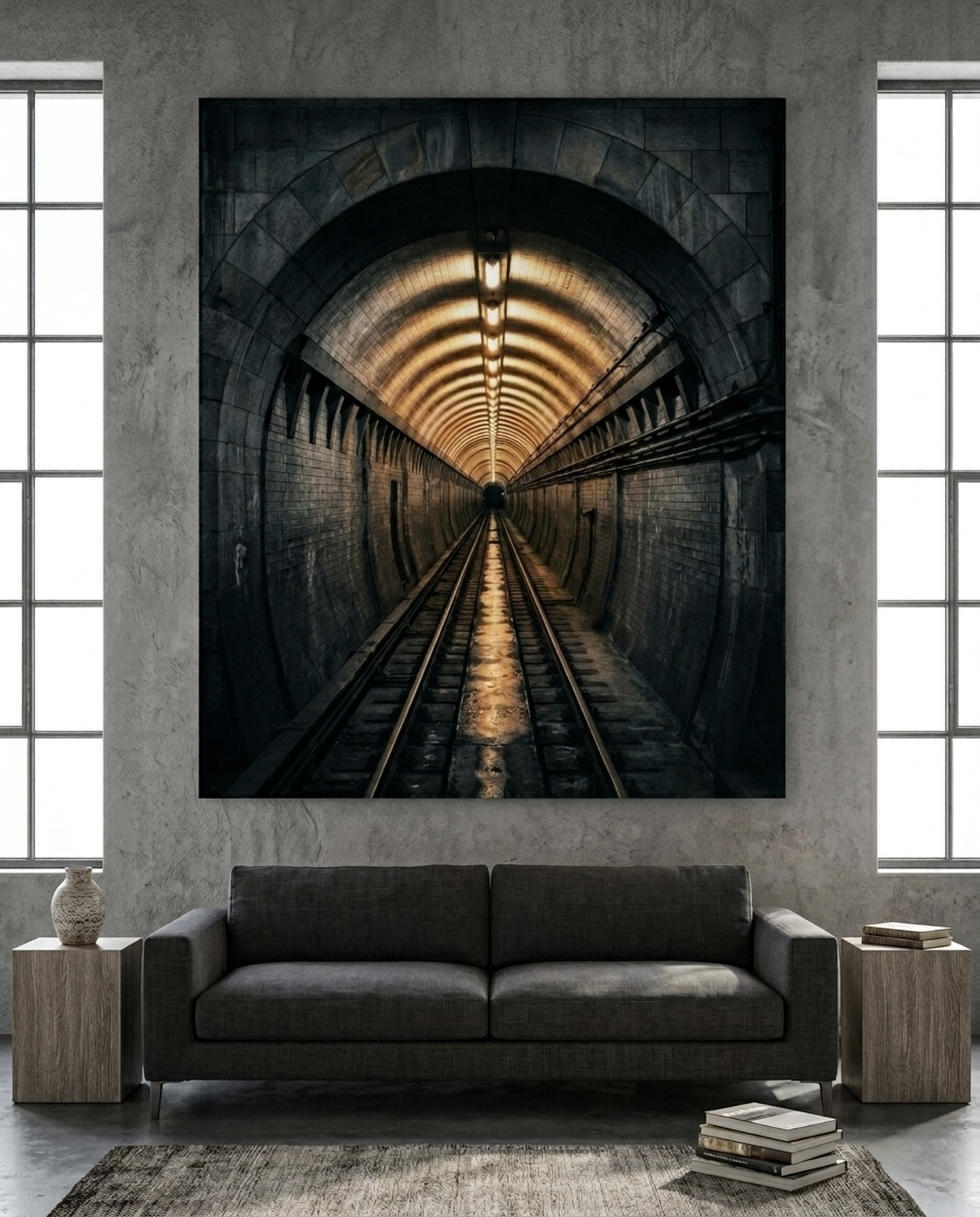
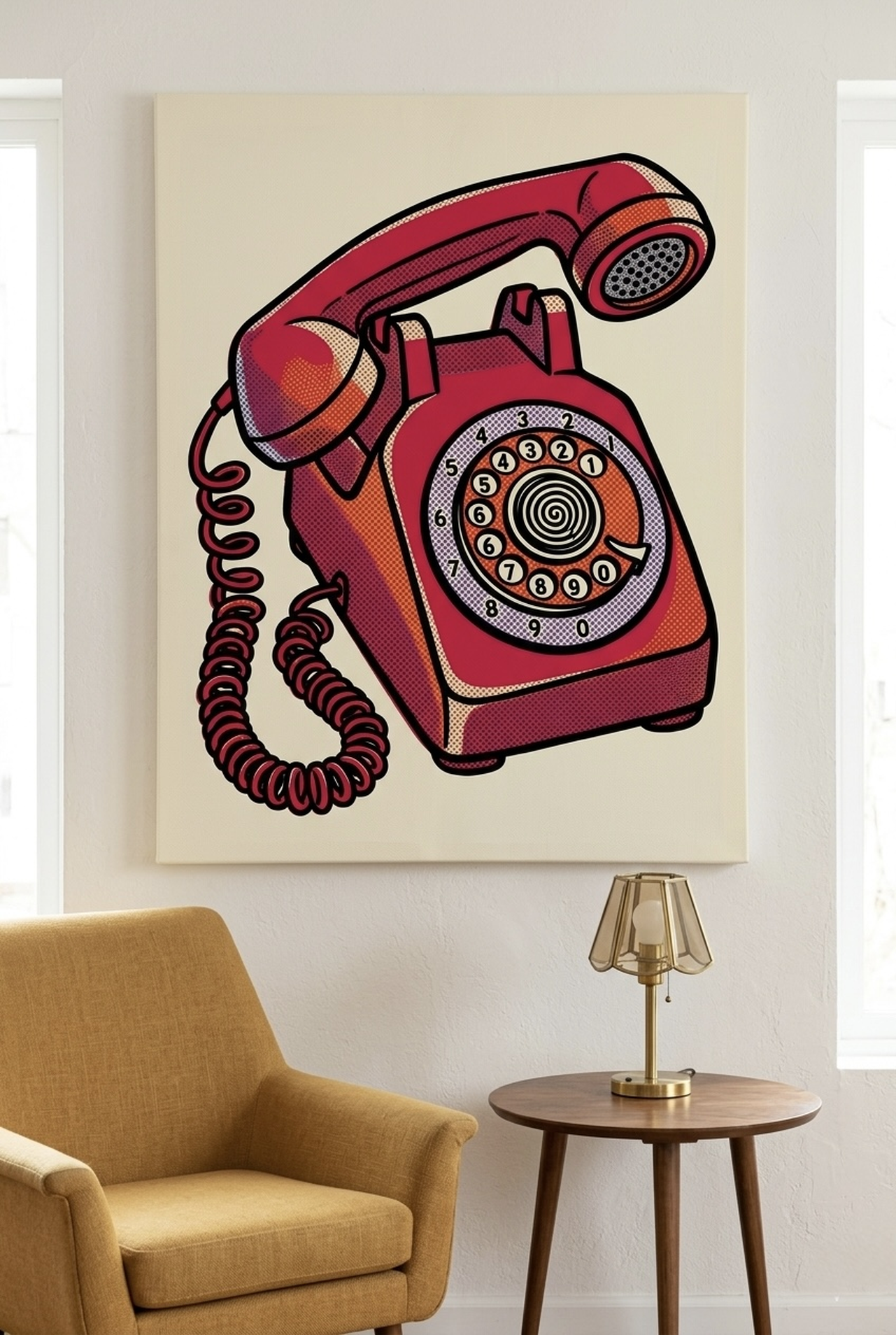
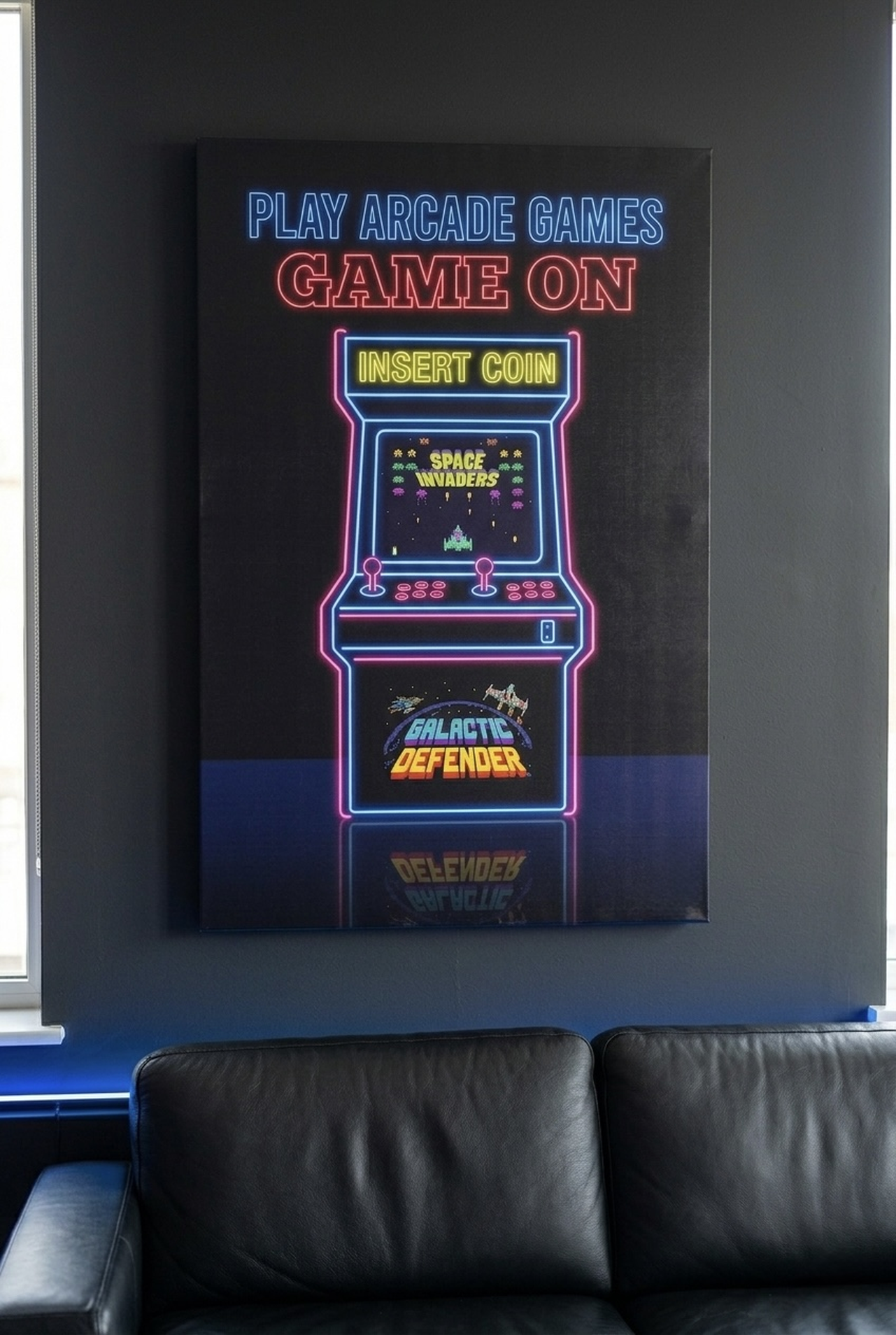
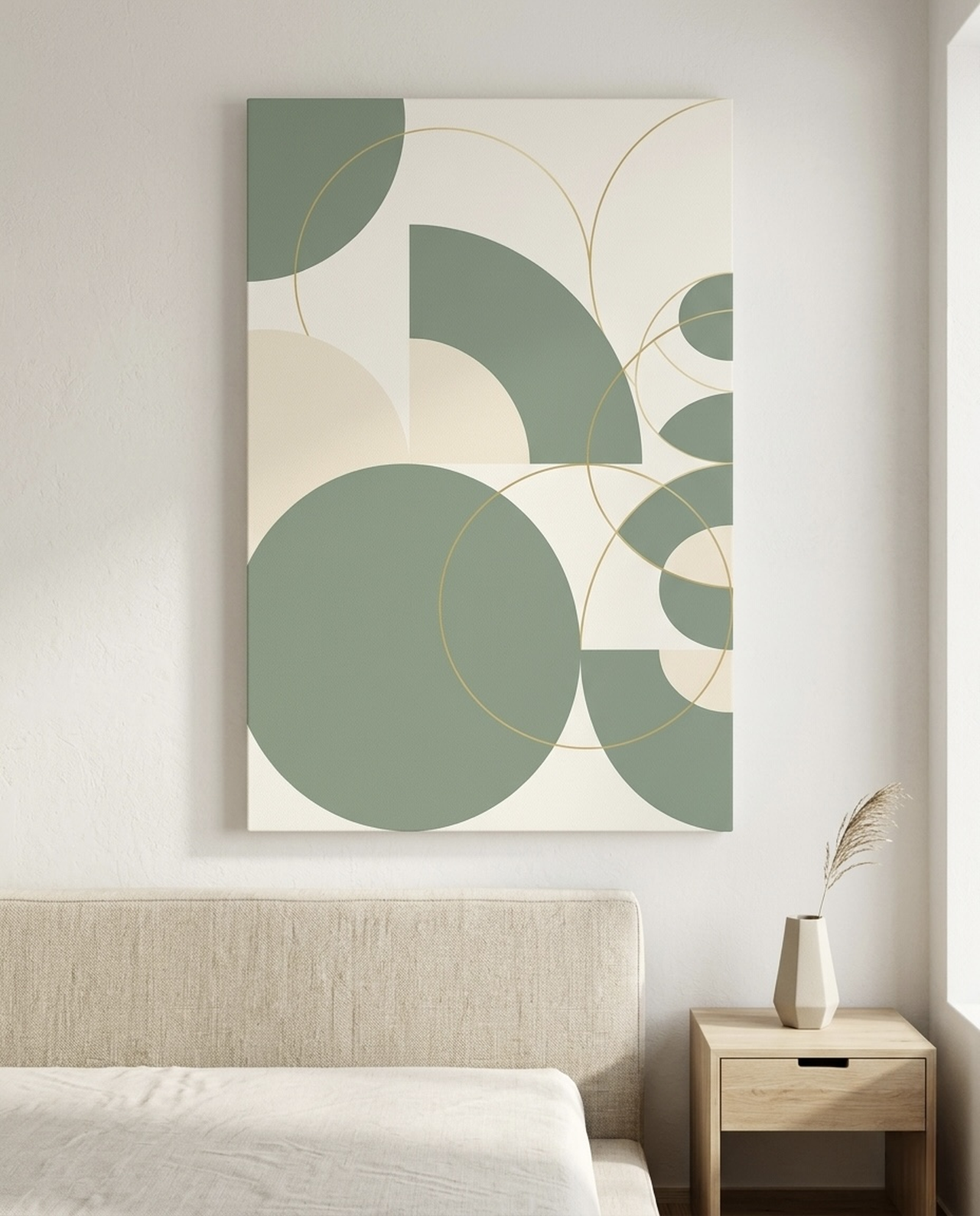
Sizing and Placement Guide
Geometric art has inherent visual complexity, and placement choices should support rather than undermine the impact of the pattern.
Give geometric art breathing room: The detail and complexity of geometric patterns is best appreciated with some visual space around the piece. Leave at least 8 to 12 inches (20 to 30 cm) of clear wall around a geometric statement piece to allow the eye to rest before engaging with the pattern. Flanking geometric art with furniture, plants, or other decorative objects too closely crowds the pattern and reduces its impact.
Size matters for pattern recognition: Very complex geometric patterns need to be large enough for the pattern to be legible from your typical viewing distance. For Islamic-style arabesque or intricate mosaic patterns, a canvas measuring at least 20x16 inches (51x41 cm) is the minimum for the detail to read clearly from a normal sitting distance of 6 to 8 feet (183 to 244 cm). Ideally, go 24x18 inches (61x46 cm) or larger.
Wall color considerations: Geometric art with strong color palettes (rich golds, teals, jewel tones) looks exceptional on white, cream, and neutral walls. Against a dark or colored wall, ensure the geometric piece has enough light tones to emerge clearly from the background.
Standard placement rules still apply: Center your geometric piece at eye level, 57 to 60 inches (145 to 152 cm) from the floor, regardless of its complexity or the cultural tradition it draws on.
5 Common Mistakes to Avoid
- Mixing too many competing geometric patterns: While different geometric styles can coexist in a room, hanging multiple complex geometric pieces on the same wall creates visual noise where the eye cannot rest. Choose one complex geometric focal piece and support it with simpler, quieter companions.
- Choosing art that is too small for the pattern to read: Intricate geometric patterns are lost on undersized canvases. The pattern detail that makes geometric art beautiful requires sufficient scale to be visible and engaging. When unsure, size up.
- Pairing geometric art with very busy interiors: Geometric art is most powerful in relatively clean, uncluttered spaces where its pattern complexity can take center stage. In a very busy, maximalist room, even sophisticated geometric art can get lost in the visual competition.
- Ignoring cultural context: Sacred geometric traditions from Islamic, Egyptian, Mughal, and other cultures carry significant cultural meaning. Displaying these traditions with respect and intention, rather than treating them purely as decorative pattern, honors the depth and history of these artistic forms.
- Forgetting about frame weight: Intricate geometric patterns can be overwhelmed by heavy, ornate frames that compete with the pattern. For complex geometric art, choose slim, clean frames (a simple black or gold profile) that support without competing.
Frequently Asked Questions
What is geometric wall art?
Geometric wall art is any visual art that uses geometric forms, such as circles, triangles, polygons, and repeating patterns, as its primary visual language. This includes everything from Islamic arabesque patterns and sacred geometry to modern op-art, Klimt-inspired mosaics, and minimalist abstract geometry. It is one of the oldest and most culturally universal forms of visual art.
What rooms suit geometric wall art best?
Geometric art works in virtually every room, but it particularly suits living rooms (as a powerful focal point), home offices (for its meditative, pattern-focused quality), and dining rooms (for the ceremonial richness it adds). Calmer geometric forms work well in bedrooms, while complex patterns are better suited to daytime spaces.
What wall colors work best with geometric art?
White, cream, and neutral walls let geometric art's color and pattern do the talking. Deep navy or forest green walls create dramatic contrast for gold-toned geometric pieces. Warm terracotta or ochre walls suit geometric art with earthy cultural traditions. Avoid walls that are too similar in tone to the dominant color in the geometric pattern.
Is geometric wall art suitable for minimalist interiors?
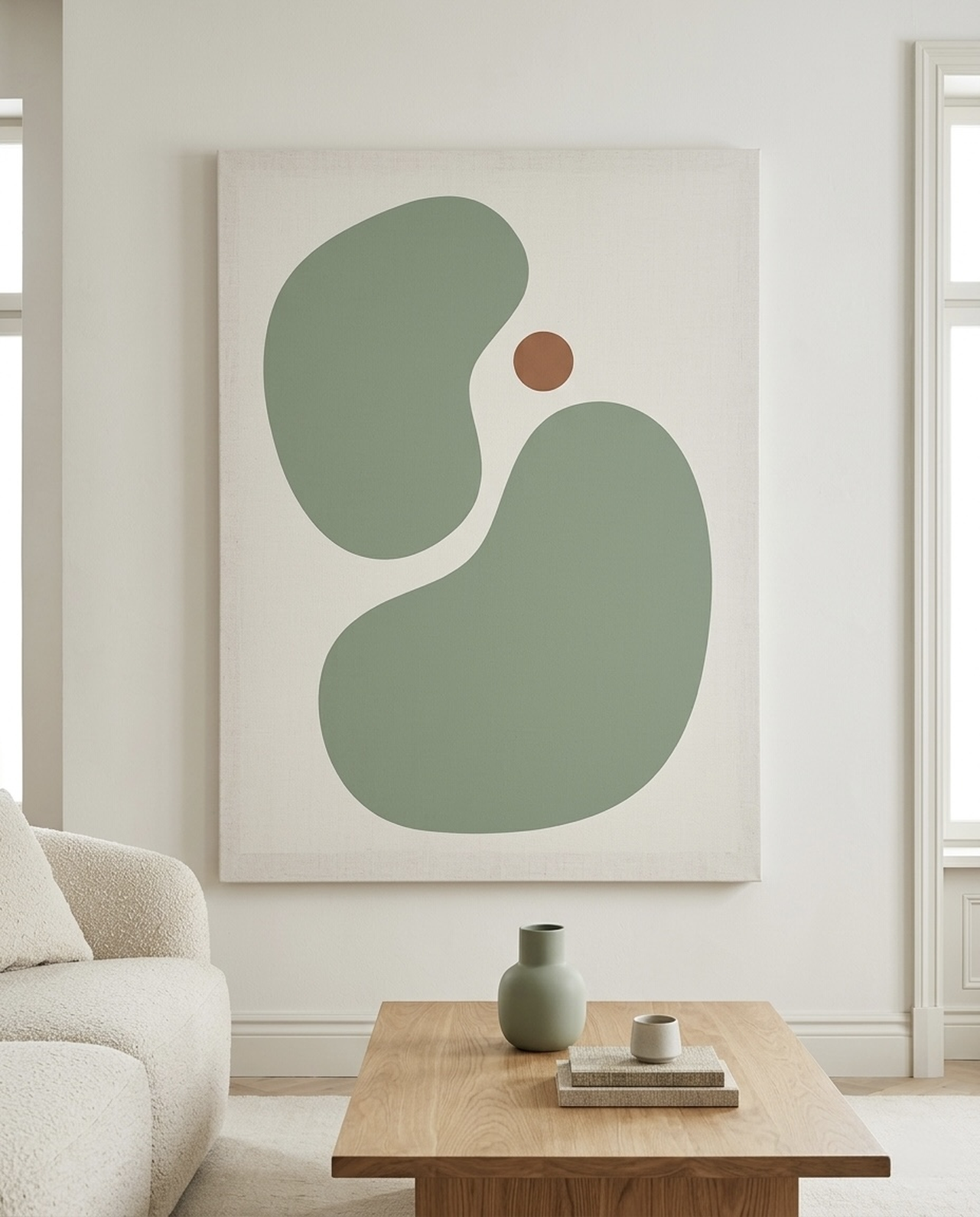
Absolutely. One large, well-chosen geometric piece is a cornerstone of minimalist decor. The mathematical precision of geometric art aligns perfectly with minimalism's preference for intentional beauty over decorative excess. Choose pieces with limited palettes and clean forms for the most successful minimalist geometric look.
Can geometric art mix with other art styles?
Yes, with care. Geometric art pairs well with figurative art that shares its color palette, and with abstract art that continues its visual language. The key is ensuring no two pieces compete directly for visual attention. Use geometric art as your primary focal piece, then support it with quieter, simpler works.
How do I choose between Islamic, Klimt, and modern geometric styles?
Consider the atmosphere you want to create. Islamic geometric art brings deep spiritual history and meditative complexity. Klimt-style mosaic combines human warmth with geometric ornament. Modern op art and graphic geometry are more purely visual and contemporary. All are beautiful choices; select the tradition that resonates most personally with you.
Quick Reference: Geometric Wall Art Guide
| Style | Best Room | Key Colors |
|---|---|---|
| Islamic arabesque | Living room, dining room | Teal, gold, jewel tones |
| Klimt mosaic | Living room, bedroom | Gold, jewel tones, warm tones |
| Mughal patterns | Dining room, living room | Royal blue, gold, rich pigments |
| Sacred geometry | Home office, bedroom | Varied, often earth tones |
| Op art and graphic geometry | Modern living rooms | Bold primaries, black-white |
| Cultural geometric traditions | Any room | Match tradition's palette |
Geometry is not just an art style; it is a window into the mathematical order underlying all of creation. Find your perfect geometric statement piece at Heva Unique Art Gallery and bring thousands of years of human pattern-making wisdom to your walls. Ships within the US, arrives ready to hang.