Canvas Wall Art vs Metal Prints: Which Is Right for Your Home?
The Heva Team
Art Curators & Interior Design Enthusiasts · April 2, 2026 · 11 min read
You have found the perfect image. Now comes the question that stumps even experienced decorators: canvas wall art vs metal prints, which format will actually look best in your home? Both are popular, both have genuine strengths, and both suit different spaces and aesthetics. The right answer depends on where you are hanging it, what you want the art to do for the room, and how you want it to feel when you look at it every day.
Browse our full canvas print collection at Heva Unique Art Gallery.
What Is a Canvas Print?
A canvas print transfers an image onto a canvas substrate, typically a cotton-polyester blend, using high-resolution inkjet printing technology. The canvas is then stretched over a wooden frame (called a stretcher bar) and either left with gallery-wrapped sides (where the image continues around the edges) or finished with a black or white edge. The result is a print that closely approximates the look and feel of an original painting on canvas.
Canvas prints have been the dominant format for home art since at least the early 2000s, and their popularity shows no sign of waning. The reason is simple: canvas prints feel like paintings. The slightly textured surface of the canvas creates the visual impression of brushwork and depth, even when printing a photographic image. This makes canvas particularly well-suited to painterly, impressionistic, and artistic images where a level of visual warmth and depth is desired.
The dimensional quality of a stretched canvas also contributes to its appeal. Unlike a flat print mounted on glass or metal, a stretched canvas sits slightly away from the wall (typically 0.75 to 1.5 inches / 2 to 4 cm), creating a subtle shadow line that gives the piece a genuine three-dimensional presence. This makes the work read differently from different angles and in different light conditions, adding to the sense that you are looking at an original piece of art rather than a reproduction.
Canvas prints are also highly versatile in terms of finish options. Matte canvas offers a gentle, non-reflective surface ideal for spaces with variable lighting. Satin canvas provides a slight sheen that enhances color saturation without creating glare. Gloss or lacquered canvas amplifies color intensity and creates a more contemporary, high-contrast look. With or without a frame, canvas prints integrate beautifully into virtually any interior style.
What Is a Metal Print?
A metal print (also called a chromaluxe or aluminum print) transfers a photographic image directly onto a sheet of aluminum using dye-sublimation printing. The process infuses the inks directly into a specially coated aluminum surface, resulting in an image that is technically within the metal rather than sitting on top of it.
Metal prints are valued for their extreme sharpness, vibrant color saturation, and distinctive luminous quality. Because the aluminum substrate reflects light, metal prints appear to glow from within, particularly in images with bright whites, metallic tones, or high-contrast lighting. This luminosity makes metal prints exceptionally striking for photographic images, especially those featuring water, light, metallic subjects, or scenes with dramatic illumination.
Metal prints also have practical advantages: they are highly moisture-resistant (making them suitable for bathrooms and kitchens), extremely durable, and easy to clean. They mount flush against the wall or on a floating mount that keeps the back of the metal clear of the wall surface, creating a distinctive contemporary presentation.
However, metal prints have significant limitations for certain types of art. The luminous, reflective quality that makes them exceptional for bright photographic images can feel cold and clinical for painterly, impressionistic, or warmly toned subjects. Art that relies on the warmth and texture of a canvas ground, such as oil painting reproductions, watercolors, and impressionist works, almost always looks better on canvas than on metal.
Head-to-Head Comparison
Here is how canvas and metal prints compare across the key dimensions that matter most for home decorating:
Visual warmth: Canvas wins for warm, painterly, and organic subjects. The textured surface absorbs light in a way that creates natural visual warmth, enhancing the palette of oil paintings, impressionist works, wildlife art, and botanical prints. Metal prints are cooler and more clinical, better suited to modern photography and high-contrast graphic art.
Color saturation: Metal prints technically achieve higher color saturation due to the luminous aluminum substrate. However, for most home decorating applications, canvas prints provide more than sufficient color depth, and the warmth they add often makes colors feel richer and more dimensional even if they are not technically more saturated.
Durability and longevity: Both formats are highly durable with proper care. Metal prints resist moisture and scratching extremely well. Canvas prints can develop minor surface scuffs over time but are protected by a clear UV-resistant coating that prevents fading for decades with normal indoor use. Neither format will degrade significantly within a normal decorating lifespan.
Cost: Canvas prints are generally more affordable than comparable metal prints, particularly at larger sizes. A 32x24 inch (81x61 cm) framed canvas typically costs significantly less than a comparable metal print, making canvas the more accessible option for decorating multiple rooms or building a gallery wall on a budget.
Versatility: Canvas prints work in virtually every interior style, from traditional to contemporary to bohemian. Metal prints suit contemporary, industrial, and minimalist interiors most naturally, and can feel out of place in warmer, more traditional or eclectic spaces.
Art subject suitability: Canvas clearly wins for painterly art, impressionism, wildlife and nature prints, botanicals, portraiture, and any subject where warmth and texture enhance the image. Metal prints are excellent for sharp architectural photography, metallic subjects, high-key (bright) images, and abstract graphic art where the luminous glow adds rather than detracts from the subject.
Verdict: For most home decorators, canvas prints are the more versatile, more affordable, and more warmly appealing choice for the majority of art subjects. Metal prints earn their place for specific photographic and graphic art applications where their luminous quality genuinely enhances the subject. When in doubt, choose canvas.
Top Canvas Art Picks
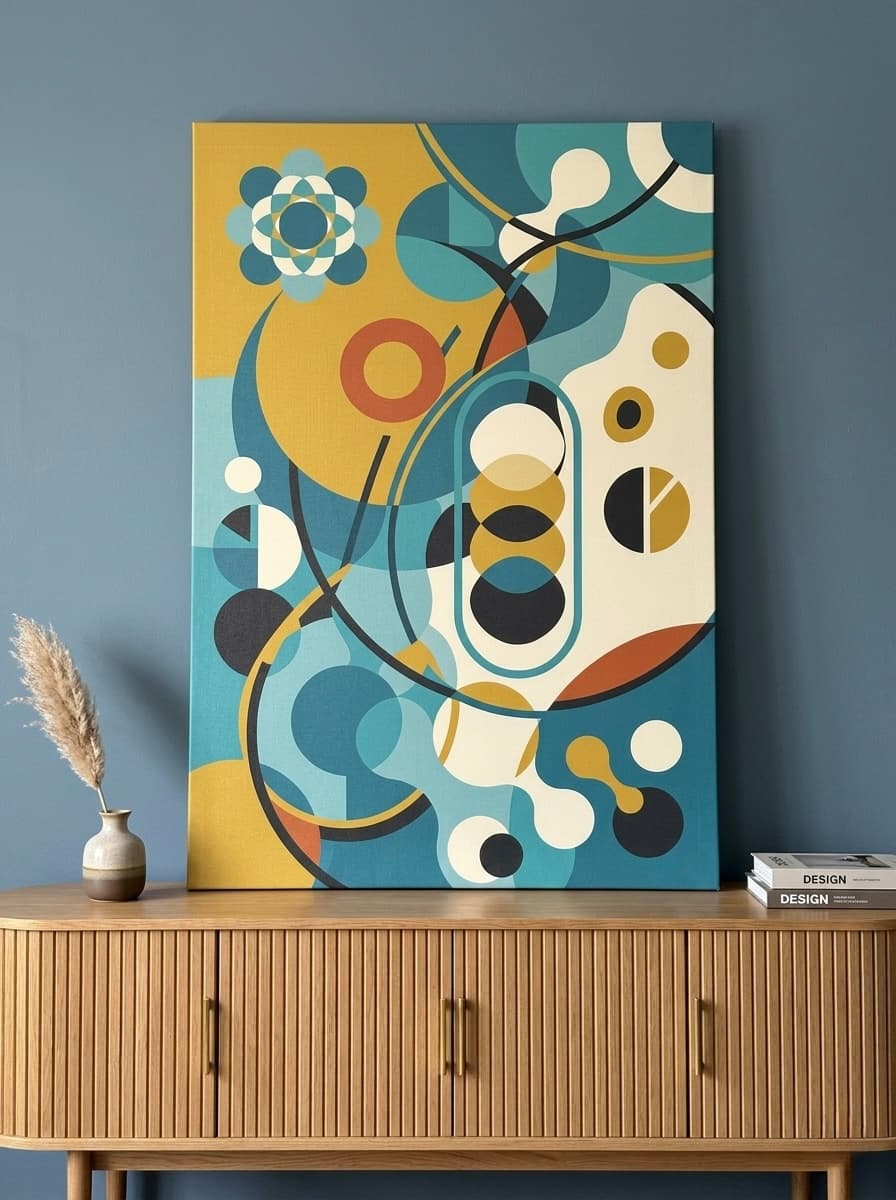
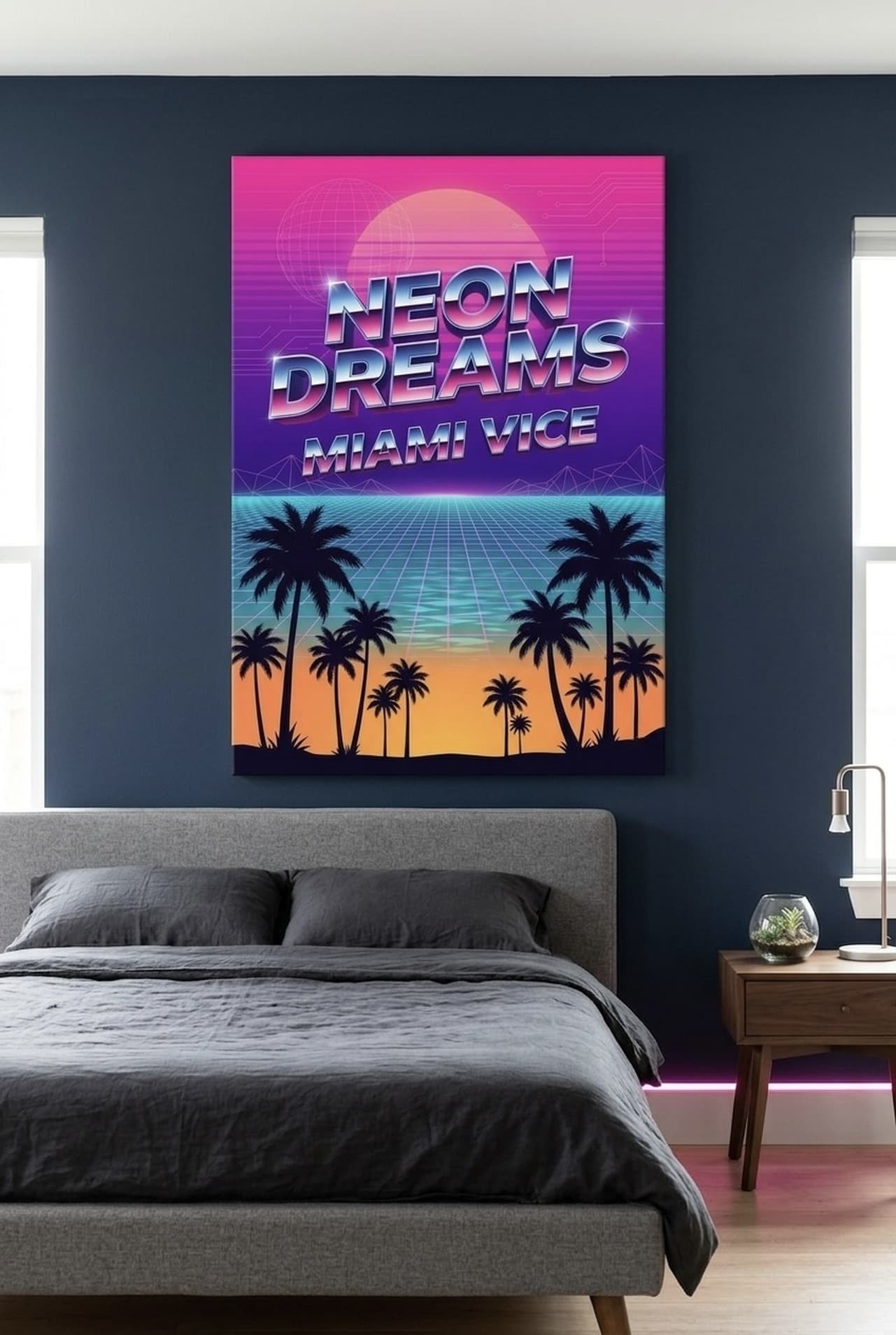
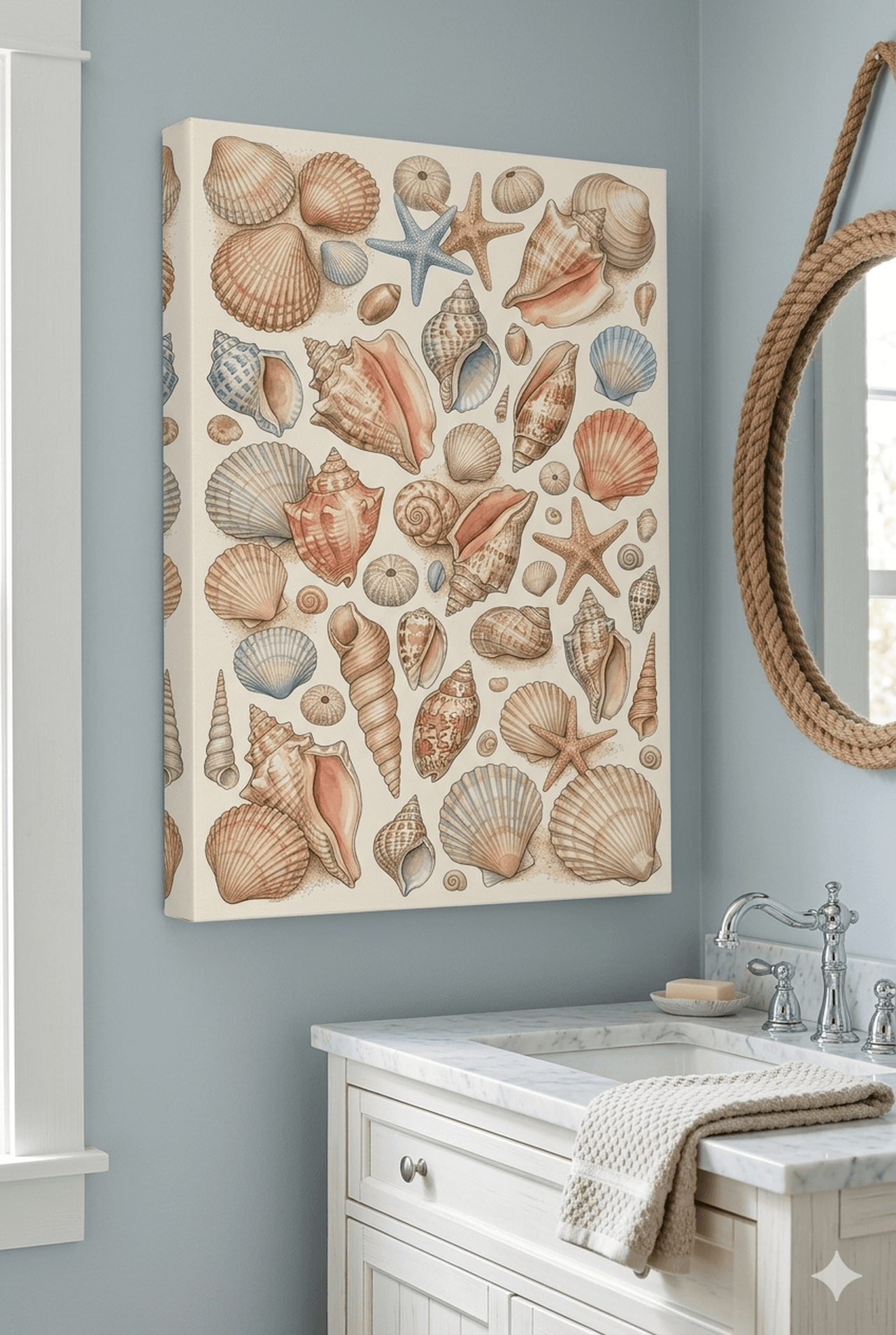
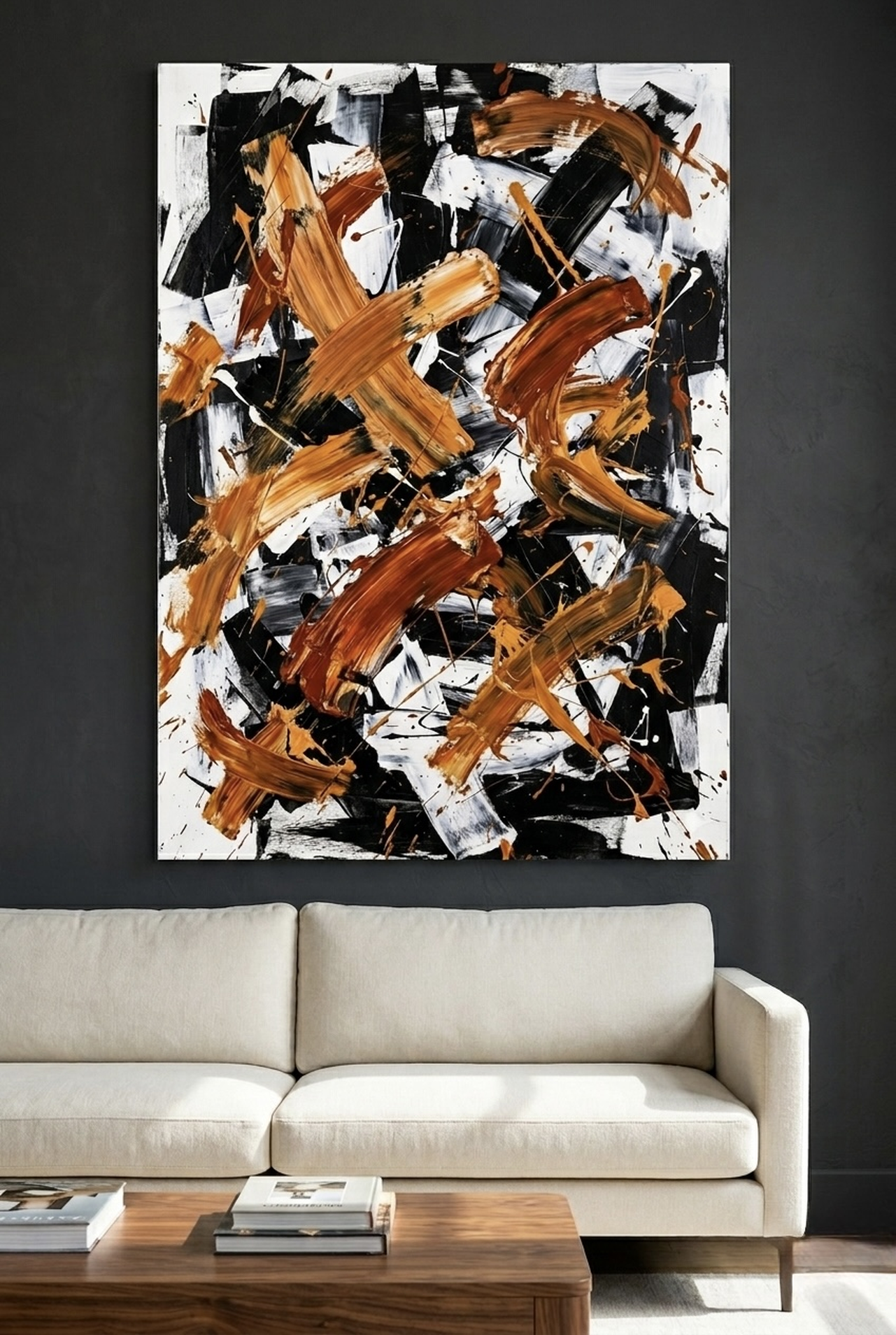
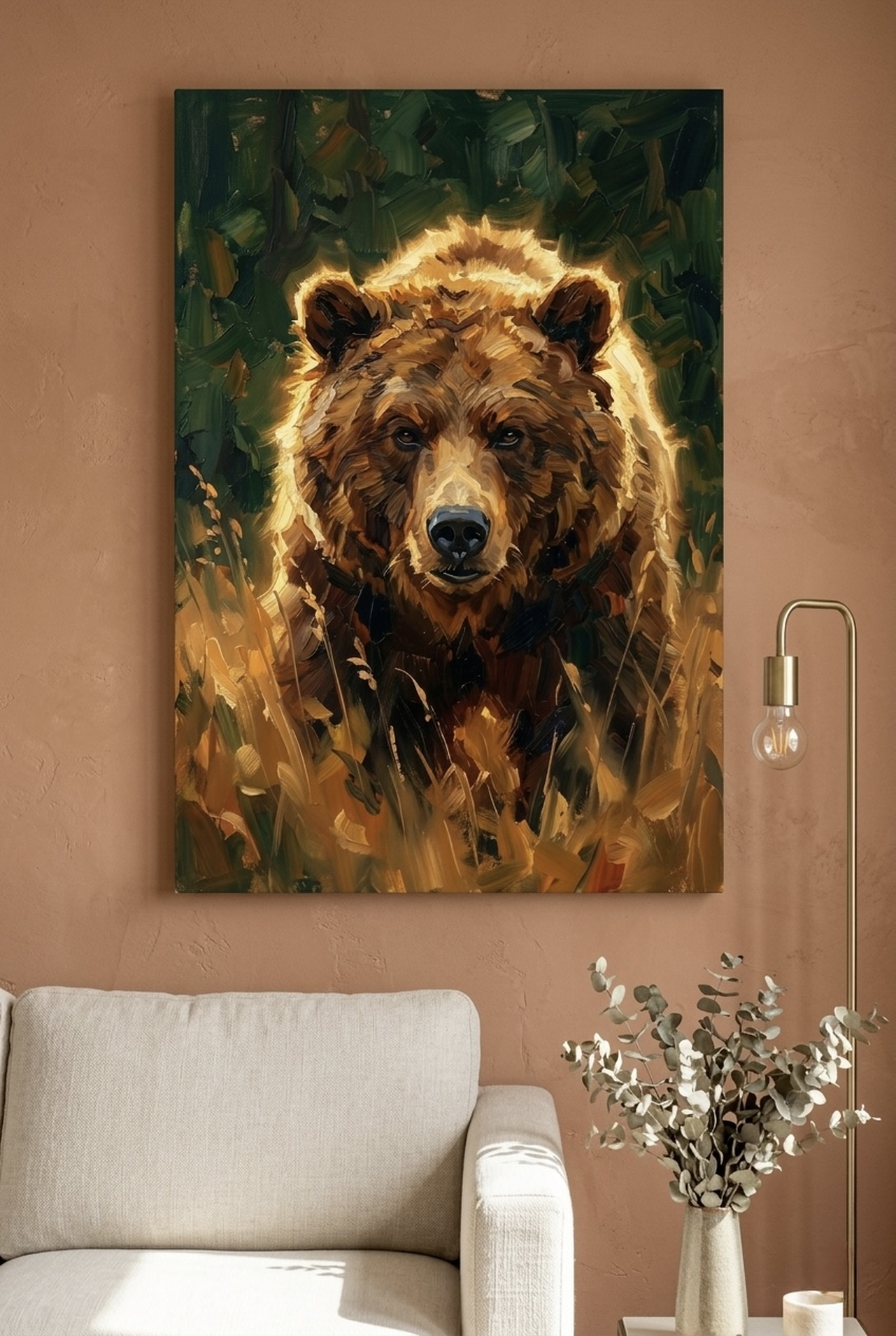
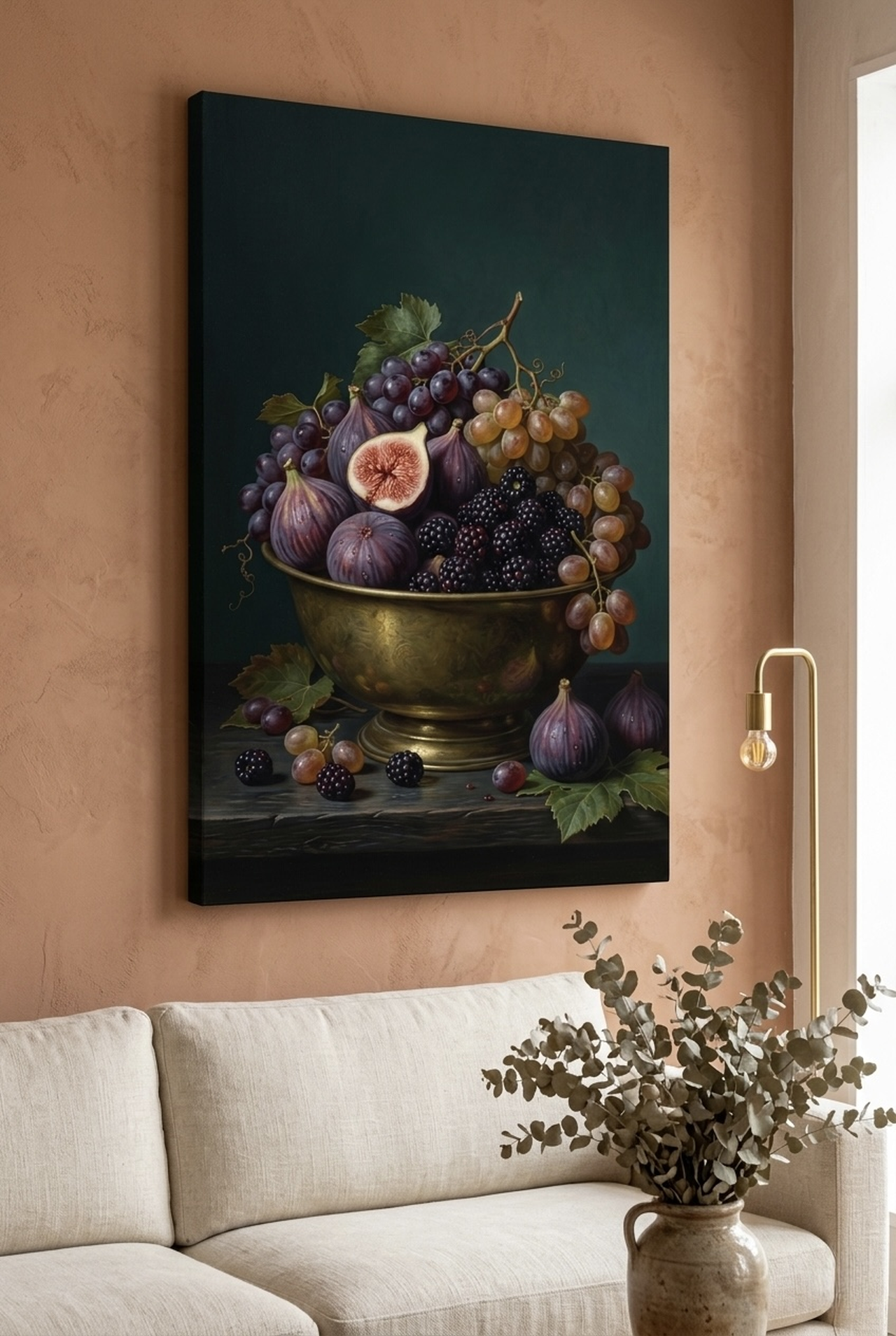
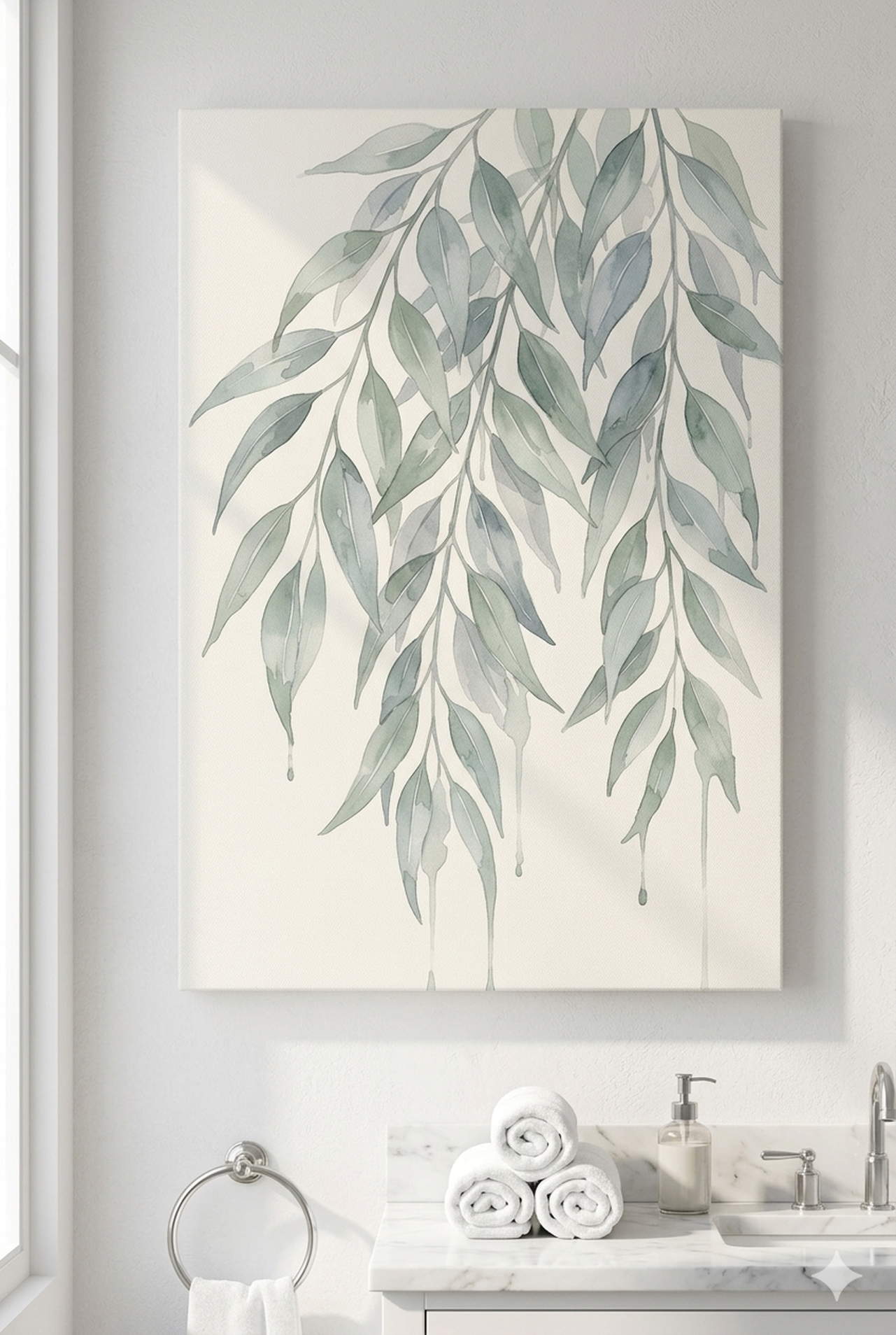
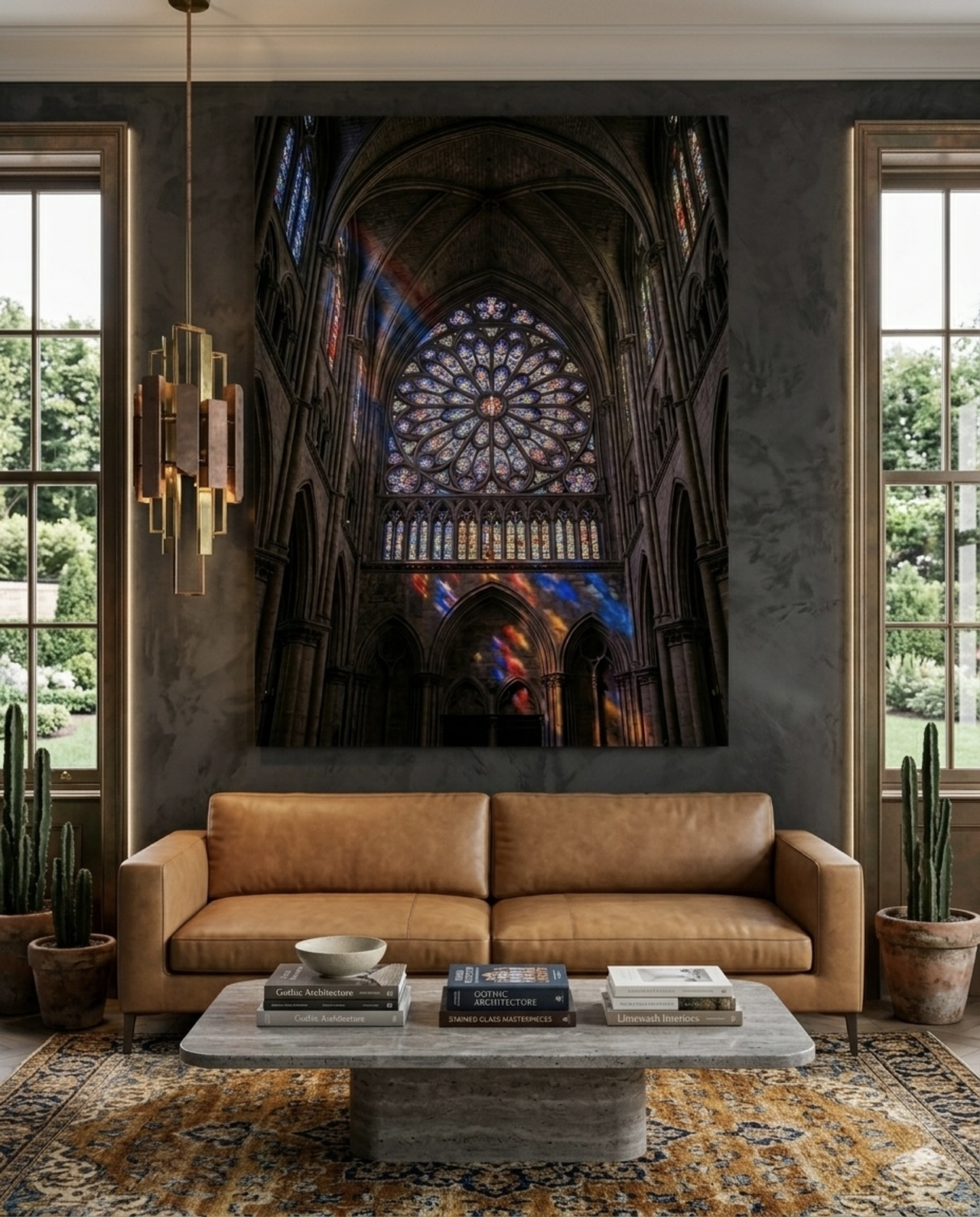
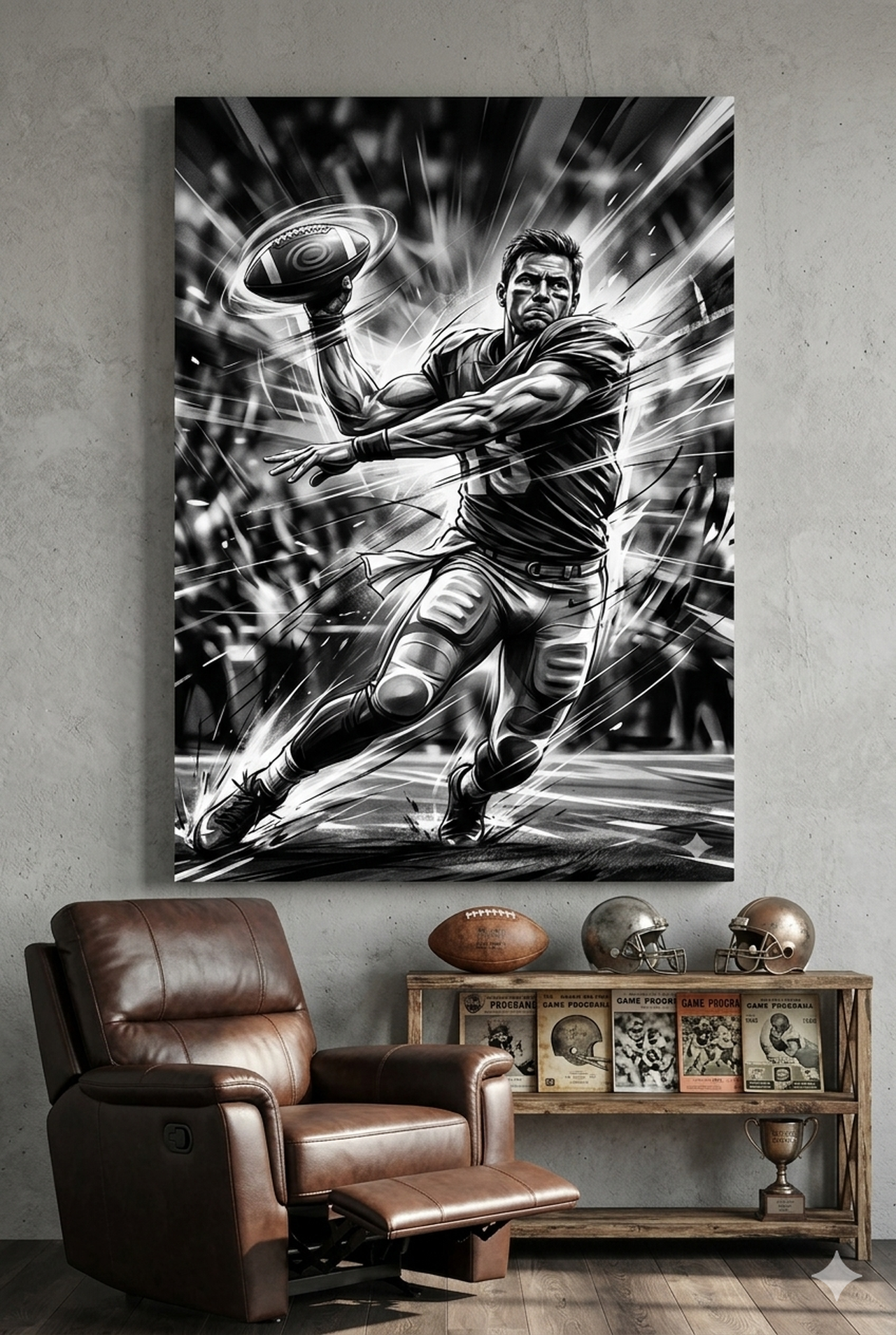
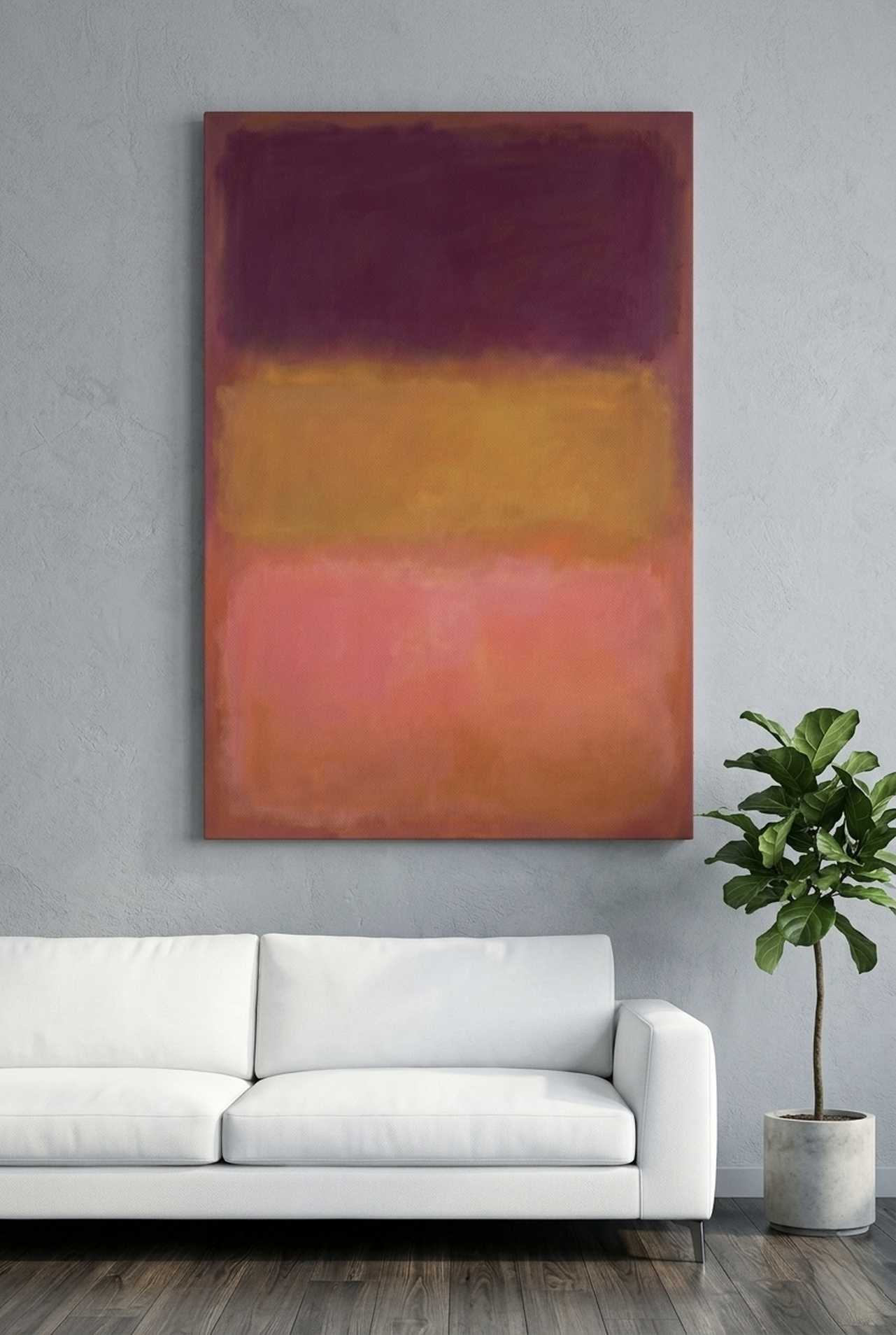
Each of these pieces demonstrates the unique qualities that make canvas the superior choice for painterly and warmly expressive art. The texture, depth, and dimensional presence of canvas elevates every one of these subjects.
Sizing and Placement Guide
Whether you choose canvas or metal, proper sizing and placement is essential to getting the most from your investment.
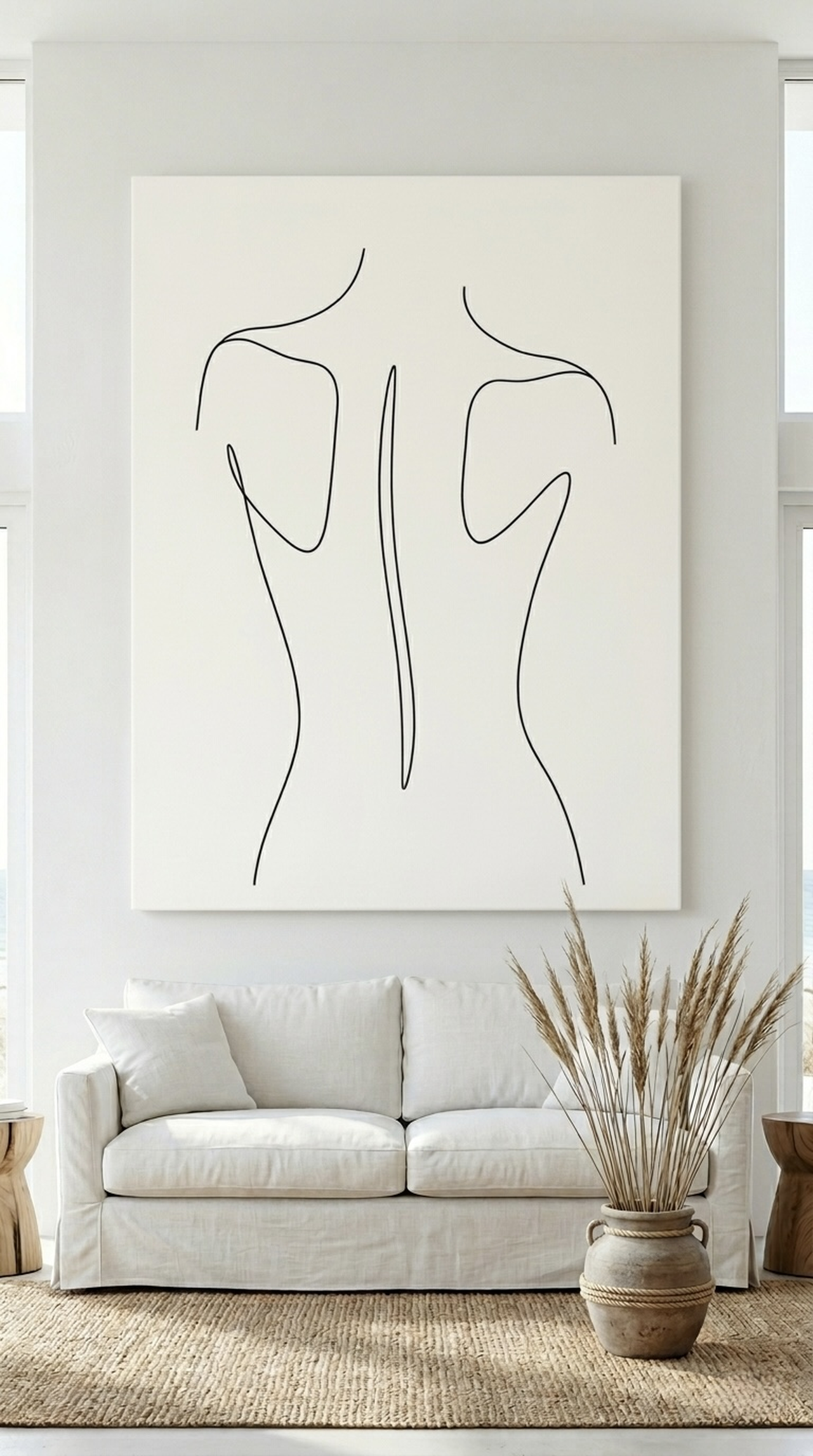
Canvas sizing for key spaces: Living room above sofa: 50 to 75 percent of sofa width (for a 90-inch / 229 cm sofa, target 45 to 67.5 inches / 114 to 171 cm wide). Above a bed: roughly the same width as the headboard. Entryway: 16x12 inches (41x30 cm) to 24x18 inches (61x46 cm) depending on wall size. Home office: 20x16 inches (51x41 cm) to 32x24 inches (81x61 cm).
Hanging height for canvas: The center of the canvas should sit at 57 to 60 inches (145 to 152 cm) from the floor, regardless of room or canvas size. This is the standard that gallery curators and interior designers use consistently. Above furniture, the bottom of the canvas should clear the top of the furniture by 6 to 9 inches (15 to 23 cm).
Frame considerations for canvas: Framed canvases have a more finished, polished look that suits traditional, transitional, and eclectic interiors. Gallery-wrapped (unframed) canvases are cleaner and more contemporary. Both look excellent; the choice comes down to your room's aesthetic. Our framed canvases come in four frame finishes (black, espresso, white, and natural) to match any interior.
Multiple canvas arrangements: When hanging multiple canvases together as a gallery wall or series, maintain consistent spacing (3 to 4 inches / 7.5 to 10 cm between pieces) and treat the overall arrangement as a single visual unit with its own center point at eye level. Sketch the arrangement on paper before committing to nail placement.
5 Common Mistakes to Avoid
- Choosing metal prints for warm, painterly art: Oil painting reproductions, impressionist works, botanical art, and wildlife paintings almost always look better on canvas than on metal. The cool, luminous quality of metal competes with the warmth these subjects require.
- Ignoring the canvas texture for photographic images: For sharp photographic images, particularly architecture and product photography, canvas texture can slightly soften fine details in ways that metal prints avoid. If fine detail is critical, consider whether canvas texture will detract from the image you have chosen.
- Choosing art that is too small: Both canvas and metal prints lose significant impact when undersized. The most common regret among first-time buyers is wishing they had gone larger. When in doubt, go one size up from what you think you need.
- Hanging without proper hardware: Canvas prints are heavier than you might expect, particularly in larger sizes. Use appropriate wall anchors for plaster or drywall, and ensure picture hooks are rated for the weight of the piece. Most canvas prints include hanging hardware, but verify before installation.
- Mixing canvas and metal on the same wall: Canvas and metal prints have very different visual qualities and generally do not coexist harmoniously on the same wall. Keep canvas prints together and metal prints together for a cohesive look, or choose one format exclusively for a room.
Frequently Asked Questions
Which is better for home decor, canvas or metal prints?
Canvas prints are the more versatile choice for most home decorating applications, especially for painterly, warm, and organic art subjects. Metal prints excel for sharp photographic images and high-contrast graphic art where their luminous quality genuinely enhances the subject. For traditional, transitional, and eclectic interiors, canvas is almost always the better choice.
Do canvas prints look like real paintings?
High-quality canvas prints closely approximate the look and feel of an original painting. The textured canvas surface creates the visual impression of brushwork and depth, while the dimensional presence of the stretched canvas adds three-dimensional weight that flat prints lack. For art subjects that began as paintings, canvas prints are the most faithful reproduction format available.
How long do canvas prints last?
With proper care and indoor display, high-quality canvas prints with UV-protective coating can retain their vibrancy for 75 to 100 years or more. The key is keeping them out of direct sunlight, in stable humidity and temperature conditions, and free from physical damage. Our canvas prints are produced with archival-grade inks and UV-resistant coatings for maximum longevity.
Are canvas prints suitable for bathrooms?
Canvas prints are best suited to standard-humidity interior spaces. For bathrooms without good ventilation, the risk of moisture damage to the canvas and stretcher bar over time is real. Consider metal prints for very humid bathrooms, or hang canvas prints only in well-ventilated bathroom spaces away from direct water exposure.
What is the best size for a canvas print in a living room?
For most living rooms, a canvas measuring 24x18 inches (61x46 cm) to 32x24 inches (81x61 cm) creates the best impact. Above a sofa, aim for a canvas that is 50 to 75 percent of the sofa's width. For large open-plan spaces, 40x30 inches (102x76 cm) or larger is appropriate. The most common mistake is choosing a canvas that is too small.
Is canvas or metal print more expensive?
Canvas prints are generally more affordable than comparable metal prints, particularly at larger sizes. This makes canvas the more practical choice for decorating multiple rooms, building gallery walls, or refreshing your home's art on a regular basis. Metal prints command a premium due to the specialized printing process and substrate cost.
Quick Reference: Canvas vs Metal Prints
| Factor | Canvas Prints | Metal Prints |
|---|---|---|
| Best for | Painterly, warm, organic art | Sharp photography, graphic art |
| Visual quality | Warm, textured, dimensional | Sharp, luminous, high-contrast |
| Cost | More affordable | Higher cost |
| Durability | 75 to 100+ years indoor | Extremely durable, moisture resistant |
| Interior styles | All styles including traditional | Contemporary, minimalist, industrial |
| Humidity suitability | Standard indoor conditions | High humidity rooms acceptable |
For the vast majority of art lovers and home decorators, canvas prints deliver the warmth, texture, and painterly depth that makes art feel truly at home on the wall. Explore our complete canvas collection at Heva Unique Art Gallery and find the piece that will transform your space. Ships within the US, arrives ready to hang, built to last a lifetime.