African-Inspired Wall Decor: A Complete Styling Guide
The Heva Team
Art Curators & Interior Design Enthusiasts · April 16, 2026 · 17 min read
There is a reason certain rooms stop you in your tracks. A wall that carries a tiger's gaze, the quiet mystery of an owl at dusk, or the sacred geometry of ancient mythology does not just decorate a space. It transforms it. African mask wall decor and bold cultural art have always held this power: the ability to anchor a room in something primal, intentional, and alive. Whether you are drawn to the spiritual energy of African-inspired motifs, the piercing beauty of wildlife art, or the cross-cultural symbolism of Eastern ink paintings, bold cultural wall art speaks a universal language that transcends trends and elevates any interior.
Ready to bring that energy home? Shop Bold Cultural Wall Art at Heva Unique Art Gallery and find the piece that speaks to your walls.
The Appeal of Cultural and Nature-Inspired Wall Art
Bold cultural art has captivated interior designers and homeowners for generations, and its appeal is both intuitive and deeply rooted in human psychology. When we surround ourselves with art that carries meaning (art that connects us to the natural world, to ancient traditions, or to forces larger than ourselves), we create spaces that feel grounded and purposeful rather than merely decorated.
African mask wall decor sits at the heart of this movement. The visual vocabulary of African art (geometric precision, bold contours, expressive forms) carries centuries of storytelling, ceremony, and spiritual significance. According to the Smithsonian's National Museum of African Art, masks and cultural objects from across the African continent represent some of the most sophisticated and intentional art-making traditions in human history. When that aesthetic influence enters your living room, it brings with it a depth that purely decorative art simply cannot match.
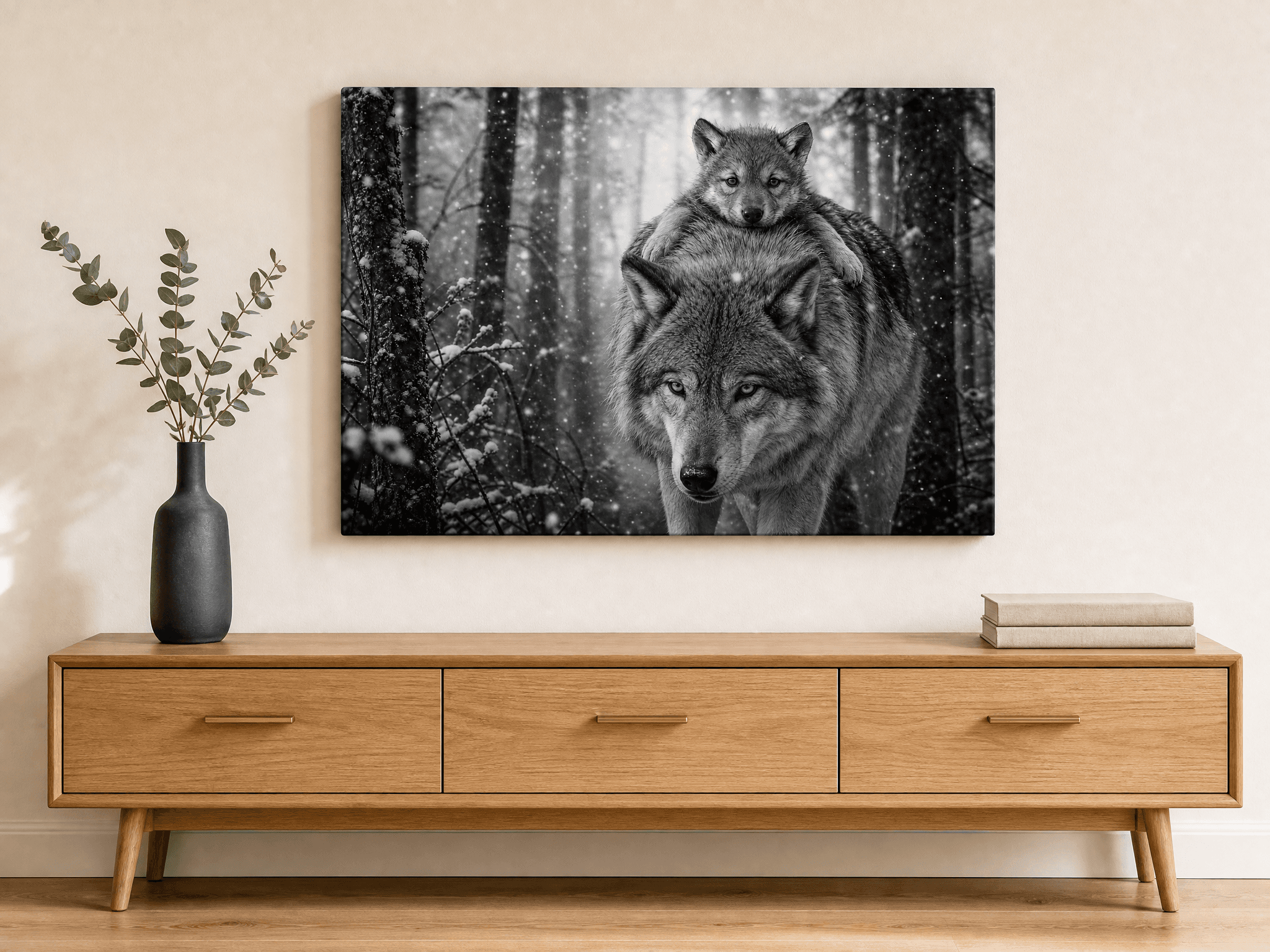
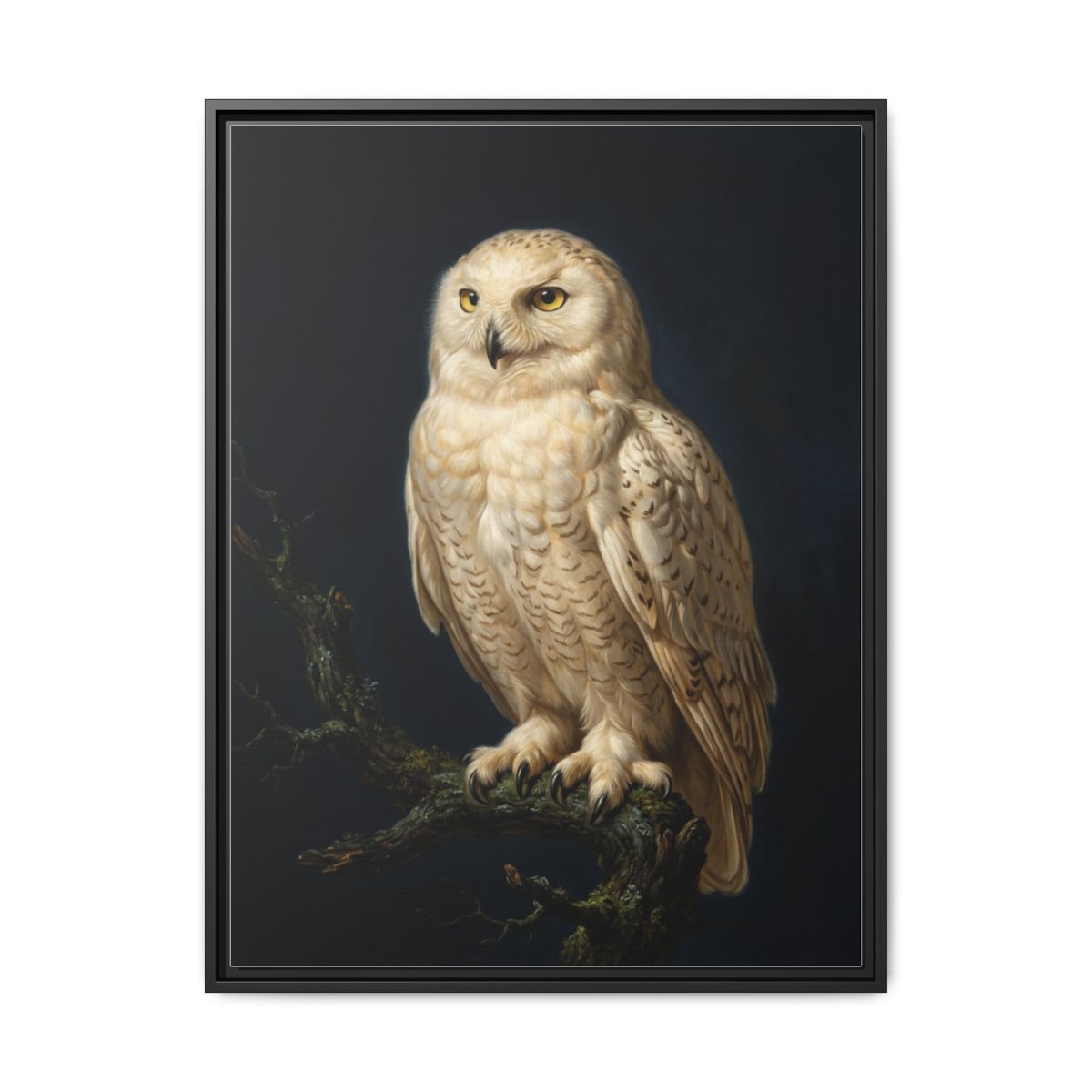
Nature-inspired wildlife art operates on a similar register. There is a reason a close-up of a tiger's face commands attention, or why a snowy owl rendered in careful brushwork creates a sense of stillness and wonder. Wildlife art taps into our primal connection to the natural world, what biologist E.O. Wilson called biophilia, the innate human tendency to seek connection with nature and other living systems. A powerful animal portrait on your wall does more than fill space: it reminds you, every day, of the wild and magnificent world beyond your windows.
The synthesis of these two traditions (bold cultural art and nature-inspired imagery) is what makes contemporary statement wall art so compelling. Pieces that draw on the bold geometries of African aesthetics, the symbolic weight of cross-cultural mythology, and the immediate emotional impact of wildlife photography or painting create interiors that feel both personal and universal. They tell a story about the person who lives there: curious, sophisticated, unafraid of depth.
The growing popularity of this style reflects a broader cultural shift. Homeowners increasingly want their spaces to reflect genuine interests and values rather than following generic trends. In a 2024 survey by the Architectural Digest, cultural and nature-inspired art ranked among the fastest-growing categories in residential interior design, with buyers specifically seeking pieces that carry historical or natural significance. Bold cultural art, from African-inspired prints to animal portraiture, is not a passing trend. It is a return to something essential about how humans have always used art to make their spaces meaningful.
How to Style Bold Statement Art in Any Room
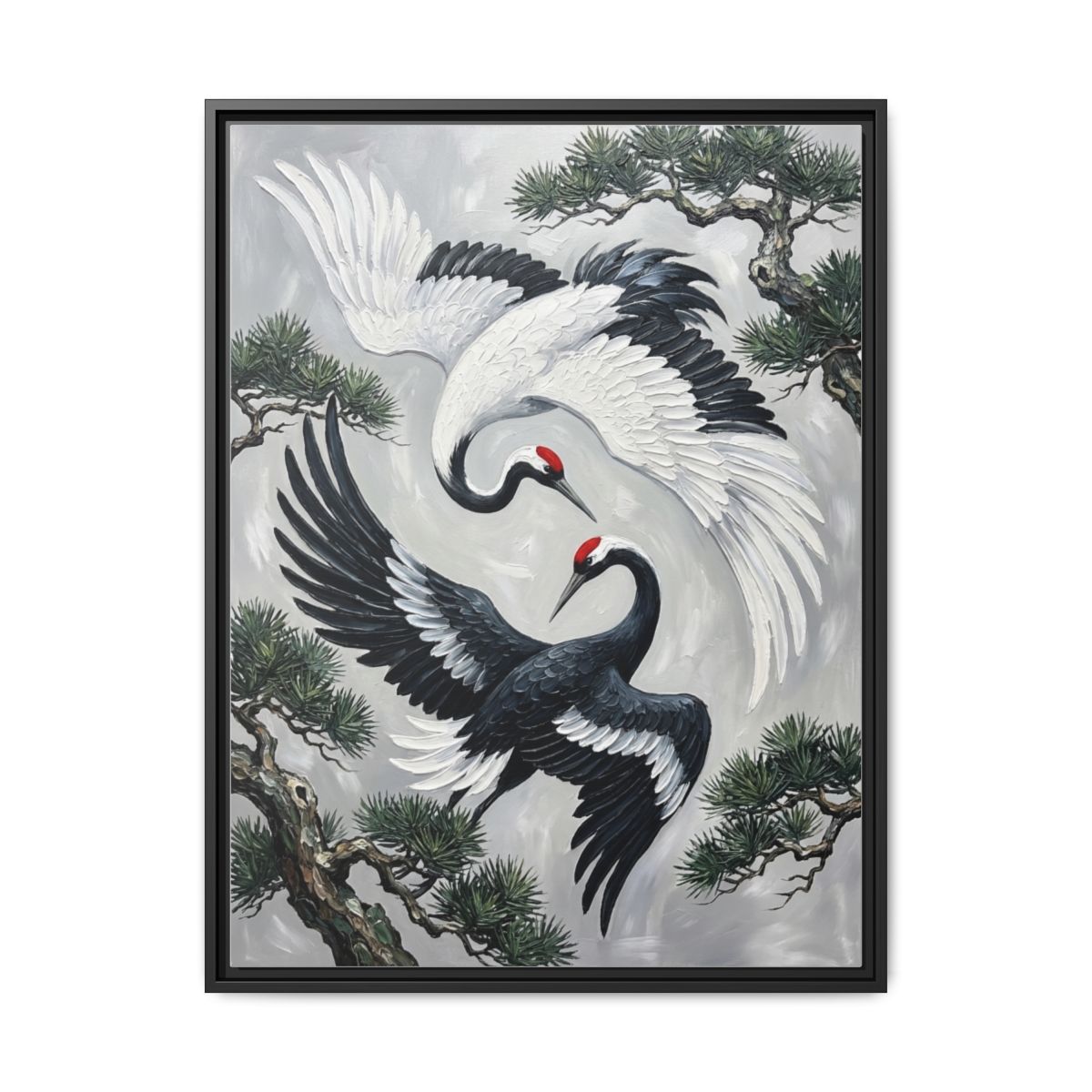
Styling bold cultural and nature-inspired wall art successfully comes down to understanding one core principle: the art should lead, and the room should follow. This is the opposite approach from choosing art to match your sofa. When you bring home a piece with genuine visual power (a tiger's intense gaze, the luminous geometry of an ancient deity, the delicate tension of yin and yang cranes), the room's job is to create the right conditions for that art to be experienced fully.
Start with scale. Bold art demands appropriate sizing. A 12-inch print of a tiger face in a large living room will look lost and even timid. The same image at 24 by 30 inches or larger becomes a focal point that anchors the entire room. As a general rule, statement art should occupy between 50 and 75 percent of the wall space you are working with. On a 10-foot-wide wall, that means your art arrangement (whether a single piece or a grouped collection) should span at least 5 to 7 feet.
Consider the visual weight of your chosen piece when planning the room's layout. A dark, intense canvas (think midnight blue and silver tones, or the deep earth tones of African-inspired color palettes) will create a visual anchor that draws the eye immediately. Position furniture to support that focal point: a sofa or console table below, chairs flanking the sides. The art becomes the room's north star, and everything else orients around it.
Lighting is the element most often overlooked by home decorators, and it is arguably the most transformative. Bold cultural art with rich colors and strong contrasts benefits enormously from directional lighting. A pair of picture lights mounted above the frame, or adjustable track lighting aimed at the canvas from a 30-degree angle, will bring out depth and texture in ways that ambient room lighting simply cannot achieve. For animal portraits and wildlife art especially, proper lighting can make the difference between a print that sits flat and one that feels almost three-dimensional.
Height matters more than most people realize. The standard guidance (center your art at 57 inches from the floor) comes from the average human eye level and is the same standard used in galleries. But this rule is a starting point, not a law. In rooms with high ceilings (9 feet and above), you may want to hang art slightly higher to keep it in proportion with the space. In a cozy reading nook or low-ceilinged room, dropping art slightly lower creates intimacy. The goal is always for the art to feel like it belongs in the space, not like it has been placed there as an afterthought.
For multi-piece arrangements, the rules of bold cultural styling still apply: treat the group as a single visual unit. Keep internal spacing tight (3 to 5 inches between pieces) and ensure the overall arrangement reads as intentional. A collection of three animal portraits (an owl, a blue jay, a tiger) arranged horizontally at the same height creates a narrative. That arrangement tells a story about the natural world, about wildness and beauty coexisting in your home.
Pairing Bold Art with Your Existing Decor
One of the most common concerns among homeowners considering bold cultural or nature-inspired art is whether such statement pieces will clash with their existing decor. The answer, almost universally, is no, provided you understand how to work with rather than against the art's energy.
African mask wall decor and bold cultural art tend to carry warm, earthy, or highly saturated color palettes. Deep ochres, rich terracottas, midnight blues, forest greens, and burnished golds appear throughout African-inspired design traditions. These colors are among the most versatile in interior design precisely because they connect to the natural world. A deep blue-and-silver canvas will pick up the steel of a modern industrial kitchen, the cool tones of a Scandinavian living room, or the jewel-toned richness of a bohemian bedroom with equal ease.
For neutral or minimalist spaces (white walls, light wood floors, clean lines), bold cultural art works as an intentional counterpoint. A single dramatic canvas in a spare, neutral room creates the kind of tension that makes both elements more interesting. The art's richness is amplified by the surrounding calm; the room's restraint is enlivened by the art's boldness. Interior designers call this the "one brave thing" principle: in a room of quiet choices, one fearless element elevates everything.
In more layered, eclectic spaces, bold cultural art finds natural companions. Woven textiles, natural wood furniture, ceramic vessels, and organic forms all share a visual vocabulary with nature-inspired and culturally grounded art. If your home already leans toward the organic and collected, adding a striking tiger portrait or an owl canvas will feel like a natural extension of your existing aesthetic rather than an intrusion.
Color extraction is a practical technique for harmonizing bold art with existing decor. Look closely at your chosen canvas and identify two or three accent colors within the piece. Use those exact tones in smaller doses throughout the room: a throw pillow in the canvas's deep teal, a vase in its warm amber, a rug that echoes its earth tones. This creates a visual conversation between the art and the room that feels considered and intentional without being overly matchy.
Finally, do not underestimate the power of negative space. Bold art breathes best when it is not crowded by competing elements. If you are hanging a large, visually complex canvas, keep the surrounding wall clear. Resist the urge to add additional framed photos or decorative items immediately adjacent. Give the art room to speak, and it will reward you with the kind of presence that makes visitors stop and look.
Our Top Picks: Bold Cultural Art for Every Room
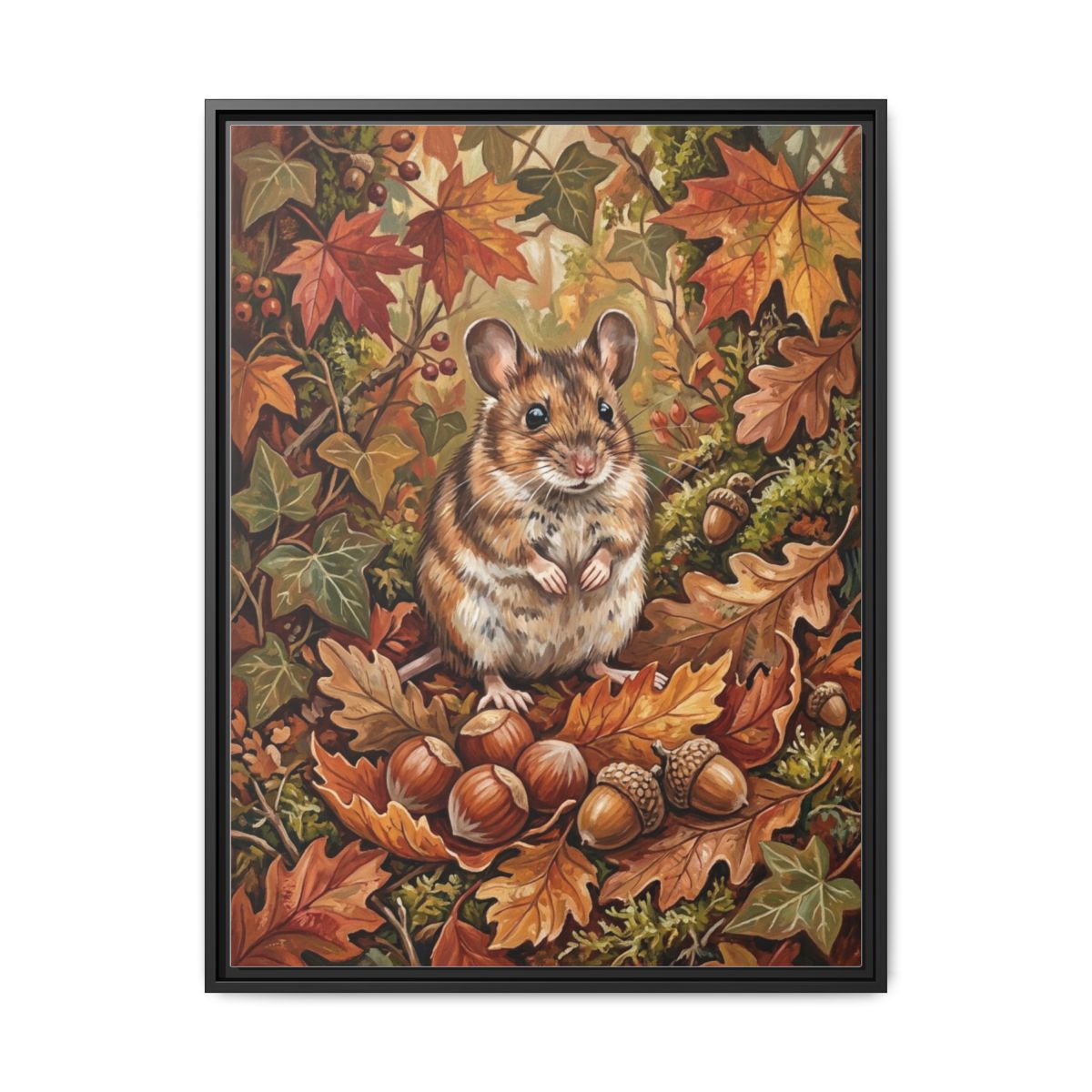
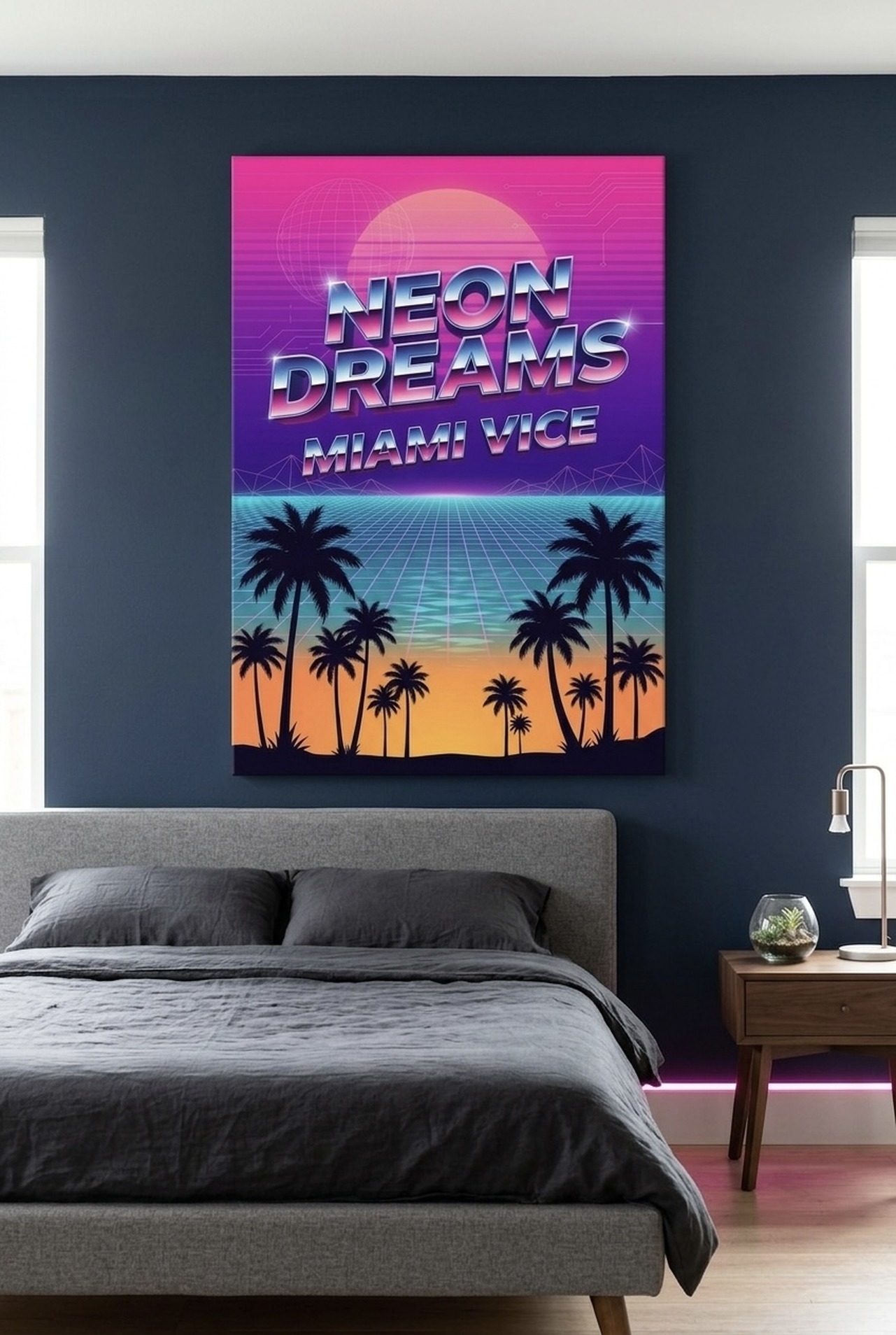
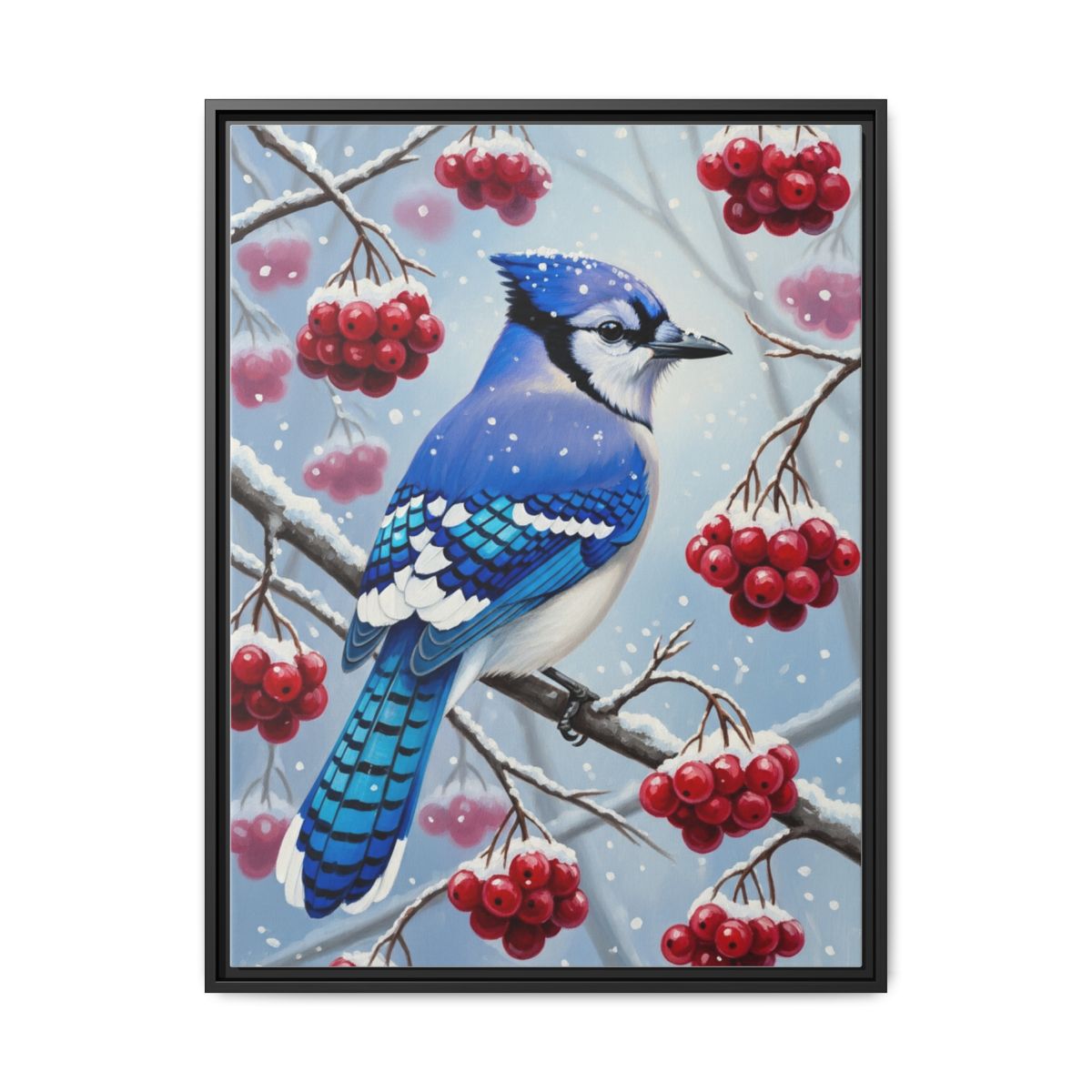
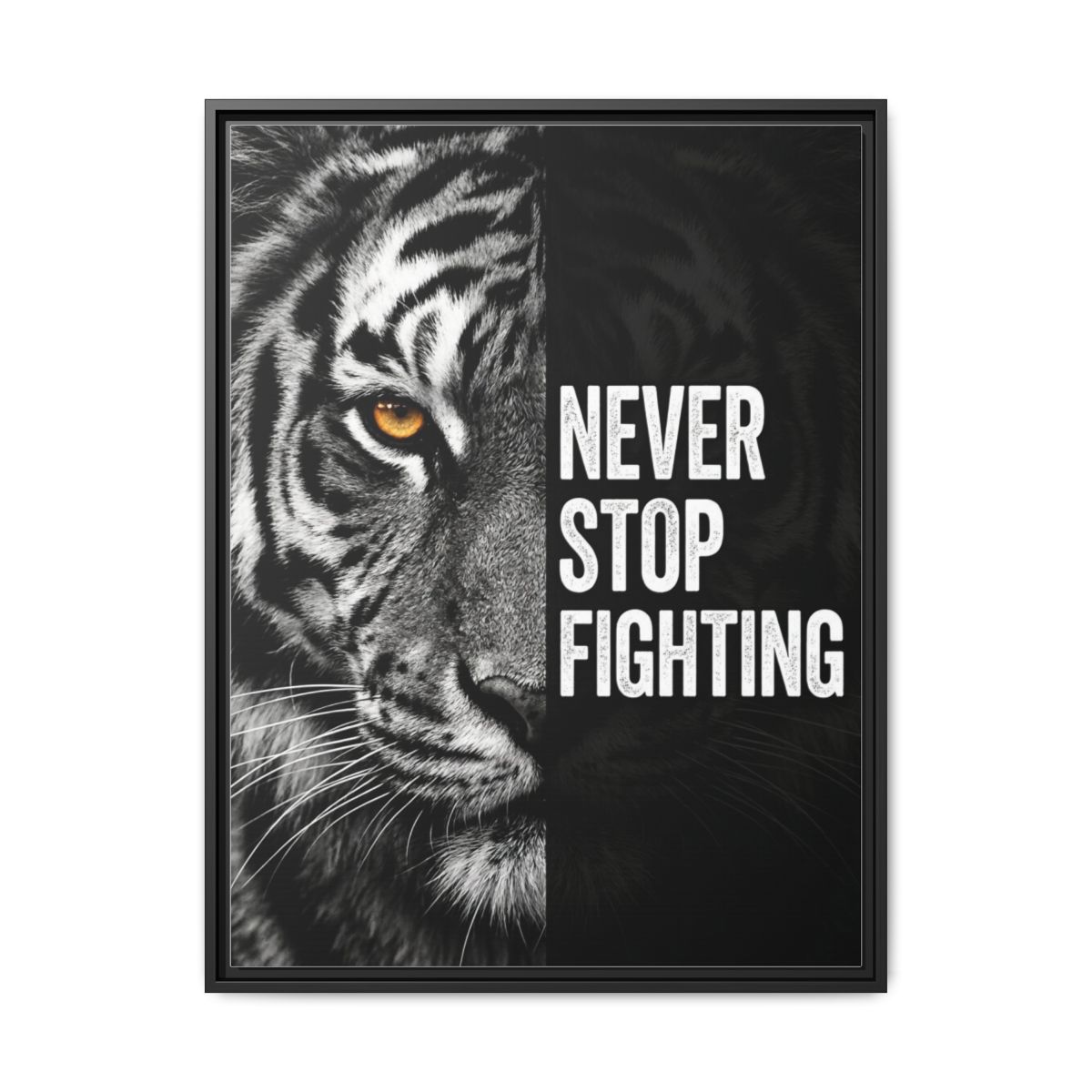
Placement Guide: Where to Hang Bold Art
Getting the placement right is as important as choosing the right piece. Bold cultural and nature-inspired art has specific spatial needs that differ from smaller, more decorative prints. Here is a room-by-room guide with precise measurements to help you hang with confidence.
Living Room: The living room is the natural home for bold statement art. Aim for a canvas that spans at least 60 to 90 centimeters (24 to 36 inches) wide on standard walls, or 90 to 150 centimeters (36 to 60 inches) for walls wider than 3 meters (10 feet). Center the piece at approximately 145 centimeters (57 inches) from the floor to the canvas's midpoint. When hanging above a sofa, leave 15 to 20 centimeters (6 to 8 inches) of space between the top of the sofa and the bottom of the frame.
Bedroom: Above the headboard is prime real estate for a single powerful canvas or a triptych arrangement. The art should be roughly two-thirds the width of your headboard. For a standard queen-size headboard at 160 centimeters (63 inches) wide, aim for a canvas between 100 and 120 centimeters (40 to 47 inches) wide. Hang the bottom edge of the frame approximately 15 to 25 centimeters (6 to 10 inches) above the headboard's top edge.
Entryway and Hallway: Narrow spaces call for taller, more vertical compositions. A vertical canvas 45 to 60 centimeters (18 to 24 inches) wide and 60 to 90 centimeters (24 to 36 inches) tall works beautifully in an entryway. Center at the standard 145 centimeters (57 inches) eye level. Bold wildlife art (particularly bird portraits or close animal studies) creates an immediate impression for guests entering your home.
Dining Room: Art hung in a dining room should be viewable from a seated position. Drop your center point slightly lower, to around 135 centimeters (53 inches) from the floor. Art that spans 60 to 90 centimeters (24 to 36 inches) works well on most dining room walls, with larger pieces appropriate for open-plan dining areas.
Home Office or Study: Statement art in a workspace should inspire without distracting. A single powerful canvas (an owl, a tiger, or cultural art with strong symbolic content) positioned within the sightline of your desk creates a focal point that energizes the space. Keep the piece at standard eye level and sized proportionally to the wall: approximately 50 to 70 centimeters (20 to 28 inches) for smaller offices, 75 to 100 centimeters (30 to 40 inches) for larger dedicated studies.
5 Common Mistakes When Styling Bold Wall Art
Even the most beautiful canvas can fail to land if it is styled incorrectly. These are the five mistakes that most often undermine bold cultural and nature-inspired wall art, and exactly how to avoid them.
1. Hanging art too high. This is by far the most common mistake in home decorating. When art is hung at ceiling height rather than eye level, it loses its connection to the human beings in the room and floats disconnected above the furniture. Every piece of art you hang should center at approximately 145 centimeters (57 inches) from the floor, regardless of ceiling height. If your ceilings are very high, you may adjust upward by 10 to 15 centimeters (4 to 6 inches), but resist the urge to keep going higher.
2. Choosing art that is too small for the wall. A small print in a large room is one of the most common decorating regrets homeowners report. Bold cultural art particularly suffers from undersizing: the power and presence of the piece is entirely lost. Before purchasing, tape paper to your wall in the intended size of the canvas to visualize the scale. What feels large in a shop often looks appropriately sized, or even modest, once on your wall.
3. Neglecting lighting. Ambient room lighting (ceiling fixtures, floor lamps positioned for reading) is almost never sufficient to show bold art at its best. Without dedicated art lighting, dark canvases look muddy, rich colors appear flat, and the textural quality of canvas prints is invisible. Invest in a picture light, adjustable track lighting, or directional spotlights aimed at your art. The difference is immediate and dramatic.
4. Surrounding bold art with competing visual noise. Placing a powerful tiger portrait or cultural canvas in the middle of a gallery wall crowded with family photos, decorative plates, and small prints is a recipe for visual chaos. Bold art needs breathing room. If you want a gallery wall, keep the pieces cohesive in tone or subject matter, and ensure your statement piece has enough surrounding space to read clearly as the dominant element.
5. Matching art to decor instead of letting art lead. Choosing a canvas because it "matches the curtains" results in decor that feels safe but forgettable. Bold cultural art is meant to be chosen for its emotional and aesthetic impact first. Once you have found the piece that stops you, the room can be adjusted around it with throw pillows, rugs, and accent pieces that pick up the art's colors and energy. The art should be the most interesting thing in the room, not the most coordinated.
Frequently Asked Questions
What is african mask wall decor and how do I style it at home?
African mask wall decor refers to wall art inspired by the visual traditions of African masks and cultural objects, characterized by bold geometric forms, expressive lines, and rich symbolic content. To style it at home, treat the piece as a focal point: hang it at eye level on a prominent wall, keep surrounding decor minimal, and use color extracted from the piece in accent items throughout the room. African-inspired art works equally well in modern, bohemian, and eclectic interiors.
Can bold cultural wall art work in a small room?
Yes, absolutely. A single well-chosen piece of bold cultural art can actually make a small room feel larger and more intentional by giving the eye a clear focal point. Choose one statement canvas rather than multiple smaller pieces, keep the surrounding walls clear, and ensure the scale is appropriate: not so large that it overwhelms the room, but not so small that it looks timid. Vertical canvases are particularly effective in small rooms as they draw the eye upward and create the impression of height.
What rooms are best suited to wildlife and nature-inspired art?
Wildlife and nature-inspired art works beautifully in virtually every room of the home. Living rooms benefit from large-scale animal portraits that anchor the seating area. Bedrooms feel more serene and connected to nature with bird or owl imagery. Home offices gain focus and energy from powerful animal portraits. Entryways make a strong first impression with bold wildlife art. Even bathrooms and kitchens can be transformed by smaller nature-inspired pieces that bring the organic world indoors.
How do I choose the right size canvas for my wall?
The most reliable method is to tape paper or painter's tape to your wall in the exact dimensions of the canvas you are considering, then live with that outline for a day before purchasing. As a general rule, art should fill 50 to 75 percent of the available wall width. For walls between 2 and 3 meters (6 to 10 feet) wide, a canvas between 60 and 120 centimeters (24 to 48 inches) wide is typically appropriate. For feature walls in large living rooms, do not hesitate to go larger: 90 to 150 centimeters (36 to 60 inches) creates the kind of presence that transforms a room.
What decor styles pair well with bold cultural and African-inspired art?
Bold cultural art is surprisingly versatile. It pairs naturally with bohemian and eclectic interiors that embrace global influences, natural materials, and layered textiles. It also works exceptionally well in modern and minimalist spaces, where its richness and depth provide welcome contrast to clean lines and neutral palettes. Mid-century modern interiors, which often feature warm wood tones and organic forms, are a natural complement to African-inspired aesthetics. Even contemporary industrial spaces benefit from the warmth and soul that bold cultural art introduces.
Are canvas prints on stretched frames better than framed prints for bold art?
Canvas prints on stretched frames are generally the preferred choice for bold cultural and wildlife art for several reasons. The canvas texture adds depth and warmth that flat paper prints cannot replicate. Stretched canvas gives the impression of a painted original rather than a reproduction. Framed canvas options (in black, espresso, white, or natural finishes) add an additional layer of refinement and make the piece feel truly gallery-worthy. For bold art especially, the physicality of canvas on a frame contributes to the piece's overall presence in the room.
Quick Reference: Bold Art Styling Guide
| Room | Best Art Style | Recommended Size | Color Palette |
|---|---|---|---|
| Living Room | Large wildlife portrait or cultural statement piece | 60 to 120 cm (24 to 48 in) wide | Deep earth tones, midnight blue, warm amber |
| Bedroom | Serene wildlife (owl, bird) or symbolic cultural art | Two-thirds the width of the headboard | Soft naturals, ivory, muted gold, sage green |
| Entryway | Vertical animal portrait or bold cultural print | 45 to 60 cm (18 to 24 in) wide | Bold contrast, deep charcoal, rich terracotta |
| Dining Room | Ink painting, nature scene, or cultural motif | 60 to 90 cm (24 to 36 in) wide | Warm neutrals, deep forest green, burnished gold |
| Home Office | Powerful animal portrait (tiger, eagle, owl) | 50 to 100 cm (20 to 40 in) wide | Bold, high-contrast, energizing tones |
| Hallway | Vertical wildlife or series of cultural prints | 30 to 50 cm (12 to 20 in) wide | Monochromatic or complementary pairs |
Bold cultural and nature-inspired wall art is not about following rules. It is about choosing with intention and allowing genuinely powerful art to do what it has always done: transform a room, reveal the character of the person who lives there, and create the kind of space that people remember long after they have left. Whether you are drawn to the spiritual gravitas of African mask wall decor, the piercing clarity of wildlife portraiture, or the meditative balance of Eastern ink traditions, the perfect piece is waiting for your walls.
Explore the Full Collection at Heva Unique Art Gallery and find the bold cultural art that speaks to your space.