
Wall Art for Dark Moody Interiors: 2026 Trend Guide
The Heva Team
Art Curators & Interior Design Enthusiasts · April 16, 2026 · 17 min read
There is a moment when you walk into a room wrapped in deep, velvety darkness and feel something shift inside you. The tension of the day dissolves. The space breathes with intention. Dark moody interiors have this rare ability to transform a home from a place you live in to a place that lives with you. And at the heart of every great dark moody room is wall art that speaks in the same rich, layered language as the space itself.
If you have been drawn to the dark moody aesthetic but are not sure which art will honor your vision, this guide will walk you through everything: the trend itself, the best art styles, color pairings, placement rules, and the mistakes that can undermine even the most beautifully considered room.
Ready to shop dark moody wall art? Browse the full collection here.
Table of Contents
What Is the Dark Moody Interior Trend?
Dark moody interiors are not simply rooms painted black. They are fully considered environments that use depth, shadow, texture, and contrast to create spaces that feel intimate, dramatic, and deeply personal. The aesthetic has roots in the maximalist movement of the early 2010s, which pushed back against the clean-line minimalism that had dominated interior design for a decade. Where minimalism asked you to take away, maximalism invited you to add, and dark moody design took that invitation seriously.
The trend draws from several historical and cultural sources. Victorian parlor rooms, with their dark wood paneling and richly patterned wallpapers, laid the groundwork. The moody color movement championed by designers like Kelly Wearstler brought jewel tones and inky hues into modern spaces. Today, according to design editors at Architectural Digest, dark moody interiors are among the most requested aesthetics in both residential and hospitality design, reflecting a broader cultural appetite for spaces that feel deliberately curated rather than casually assembled.
What defines a dark moody room? Several elements work together:
- Dark base colors on walls, ceilings, or both. These are not necessarily pure black but rather deep, saturated tones like forest green, midnight navy, charcoal, plum, and oxblood.
- Layered lighting that emphasizes pools of warm light rather than uniform brightness. Think sconces, picture lights, and ambient floor lamps rather than overhead fixtures alone.
- Rich materials including velvet, leather, aged brass, dark wood, and stone that absorb and reflect light in complex ways.
- Art that holds its own in a visually dense environment. In a dark moody room, wall art is not decoration for its own sake. It is a conversation partner with the room itself.
Interior designers at House Beautiful describe the dark moody interior as the antithesis of fast design. These are rooms built for longevity, meant to be lived in deeply over many years. The art you choose for such a space must carry the same weight.
Best Wall Art Styles for Dark Moody Rooms
Not every style of wall art thrives in a dark moody interior. The wrong choice can disappear into the walls or create jarring visual noise. The right choice becomes the soul of the room. Here are the styles that work best.
Abstract Art with Depth and Texture
Abstract art is ideally suited to dark moody spaces because it operates through suggestion rather than narrative. A piece with layered brushwork, metallic elements, or rich impasto textures will catch ambient light beautifully against a dark wall. Look for works that carry movement, whether gestural sweeps of pigment, poured layers, or deliberate mark-making that draws the eye in and around the composition.
Classical and Renaissance-Inspired Art
There is a reason that old master paintings have hung in candlelit rooms for centuries. Classical portraiture, mythological scenes, and Renaissance compositions were designed to hold their own against dark backgrounds. The traditional use of chiaroscuro (the high contrast of light against shadow) means these works practically glow when placed on a dark wall. Greek and Roman mythology, in particular, brings gravitas and storytelling depth to a moody interior.
Ink Wash and Sumi-e Art
The Japanese and Chinese traditions of ink wash painting produce works of extraordinary subtlety that perform surprising feats in dark rooms. Against a deep charcoal or forest green wall, a spare ink landscape or floral study creates a whisper-quiet contrast that rewards sustained looking. The negative space in these works, which might read as simply empty on a white wall, becomes charged and intentional against darkness.
Cultural and Festival Art
Vibrant cultural art traditions, from Mexican folk art to Indian textile-inspired patterns, bring warmth and vitality to dark spaces. The bold colors in these works: saturated marigold, crimson, cobalt, and gold, read as luminous rather than garish when surrounded by deep base tones. This is art that was designed to celebrate life at full volume, and it brings that energy into any room.
Metallic and Gold-Accented Art
Few things are more dramatic in a dark moody interior than art that incorporates gold, copper, or silver. Whether through gilded frames, gold-leaf details, or metallic pigments woven through the composition, these works catch and hold light in a way that makes them visible and vital even in low-lit rooms. The Japanese concept of kintsugi, the art of repairing broken ceramics with gold, translates beautifully into canvas art for exactly this reason.
Color Palettes That Work
Choosing wall art for a dark moody interior is partly an exercise in color theory. The goal is not necessarily perfect matching but rather considered contrast and harmony. Here are the palettes that consistently succeed.
Forest Green with Gold and Warm Neutrals
Forest green is the breakout color of the 2020s in interior design, and it is perfectly suited to the moody aesthetic. Deep emerald and hunter green walls create a lush, enveloping backdrop. Against them, art that incorporates warm gold, aged brass tones, warm white, or earthy neutrals reads with extraordinary warmth. Think rich botanical prints, metallic abstract compositions, or warm-toned portraiture.
Midnight Navy with Silver and Ice Blue
Deep navy creates a crisp, sophisticated backdrop that is particularly effective in home offices, libraries, and dining rooms. Art that incorporates silver, cool grays, and icy blue tones will appear to float against navy walls. Japanese ink wash art and abstract works with cool color families work especially well here. Add moments of warm gold to prevent the palette from reading as cold.
Charcoal and Warm Black with Any Saturated Color
Charcoal and warm black are the most versatile base tones in the dark moody palette because they provide a neutral backdrop that allows art in virtually any saturated color to take center stage. A single bold canvas in crimson, cobalt, or deep teal against a charcoal wall creates an effect of almost theatrical focus. These walls are a gift to art collectors because they eliminate competition from the background entirely.
Burgundy and Oxblood with Deep Green and Gold
The combination of rich burgundy or oxblood walls with deep green and gold accents is one of the most opulent in the dark moody repertoire. This palette has its roots in Victorian interiors and library rooms. Art that responds to this warmth should lean into richness: Renaissance-style figures, maximalist botanicals, or warm-toned abstract works. Avoid anything that reads as cool or clinical.
According to color experts featured in Elle Decor, the most successful dark moody palettes are those that maintain internal warmth even while using very deep base tones. The mistake many decorators make is choosing a cold dark color and pairing it with cold art, which produces a room that feels inhospitable rather than intimate.
Our Top Art Picks for Dark Moody Spaces
These six canvases from Heva Unique Art Gallery have been selected specifically for their performance in dark moody environments. Each one brings a different quality to a deep-toned room, whether drama, delicacy, cultural richness, or metallic luminosity.

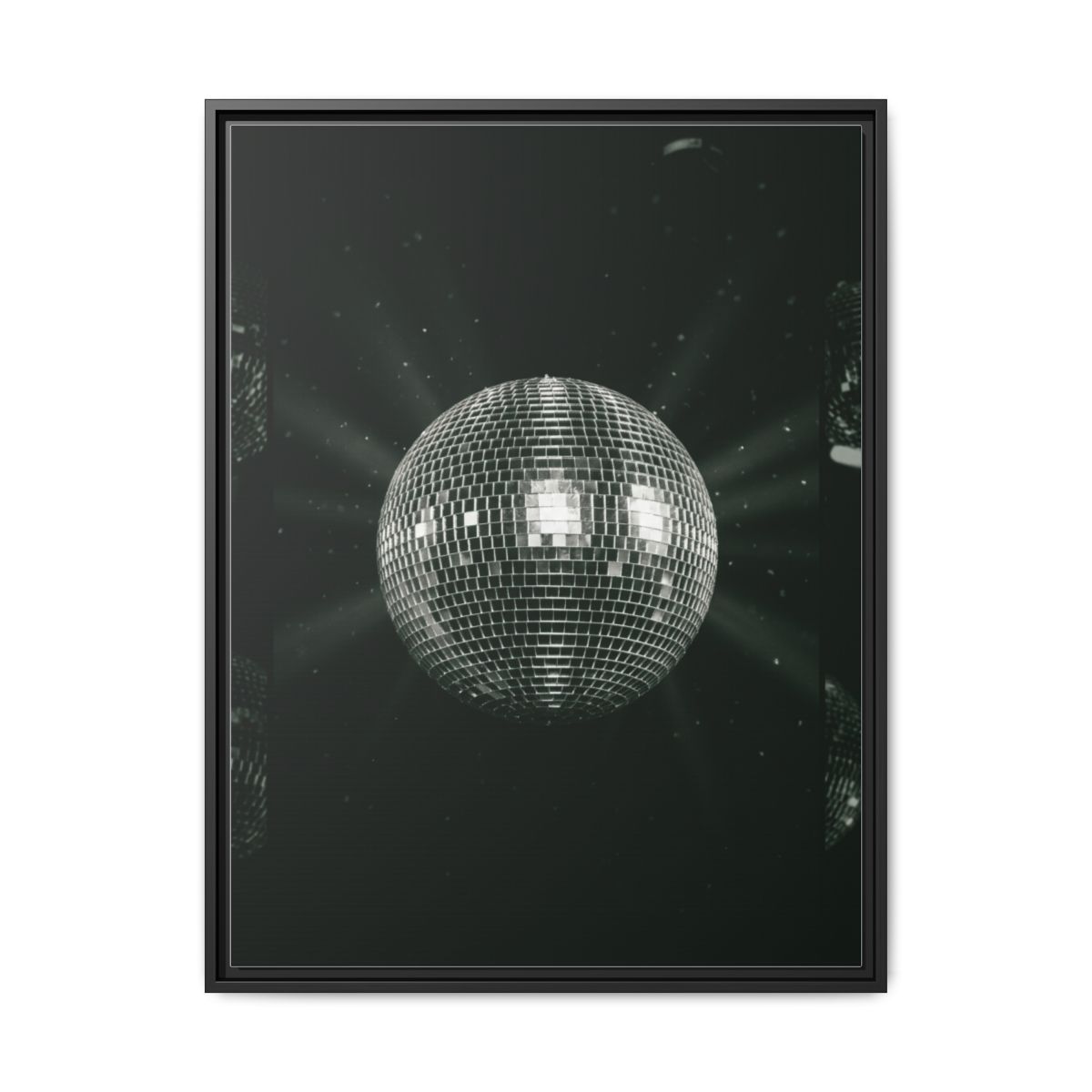
The Dia de los Muertos Sugar Skull Catrin is a masterclass in how vibrant cultural art can anchor a dark room. The rich warm tones of the piece, saturated marigolds, crimsons, and deep blues, read as luminous against dark walls rather than loud. Pair it with a deep charcoal or forest green backdrop and allow the canvas to become the centerpiece of the room. The Disco Ball Forest Green canvas takes a different approach, using the very language of the moody interior (deep green, metallic shimmer) as its subject matter. This is art that understands its environment.
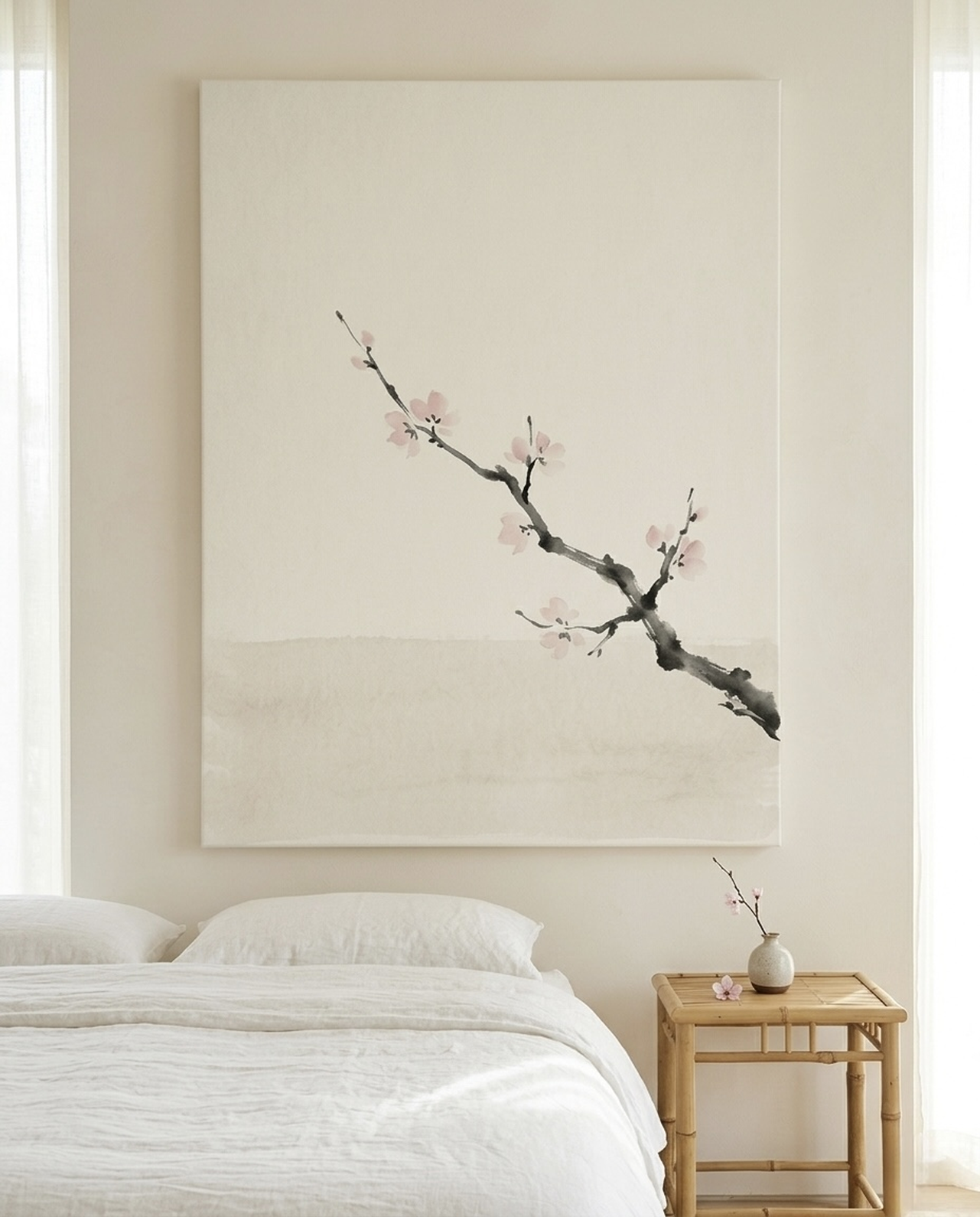

The Cherry Blossom Ink Wash canvas demonstrates why the Japanese ink wash tradition is so powerful in dark interiors. The spare, deliberate brushwork and delicate blossom forms create a whisper of contrast against a deep wall that rewards slow looking. This piece belongs in a bedroom or reading nook where its meditative quality can be fully absorbed. The Athena Greek Goddess canvas brings the full drama of Renaissance painting to a contemporary space. Athena, goddess of wisdom and war, is rendered with the chiaroscuro technique that old master painters developed specifically to create figures that seem to emerge from darkness. This canvas was born for a dark wall.
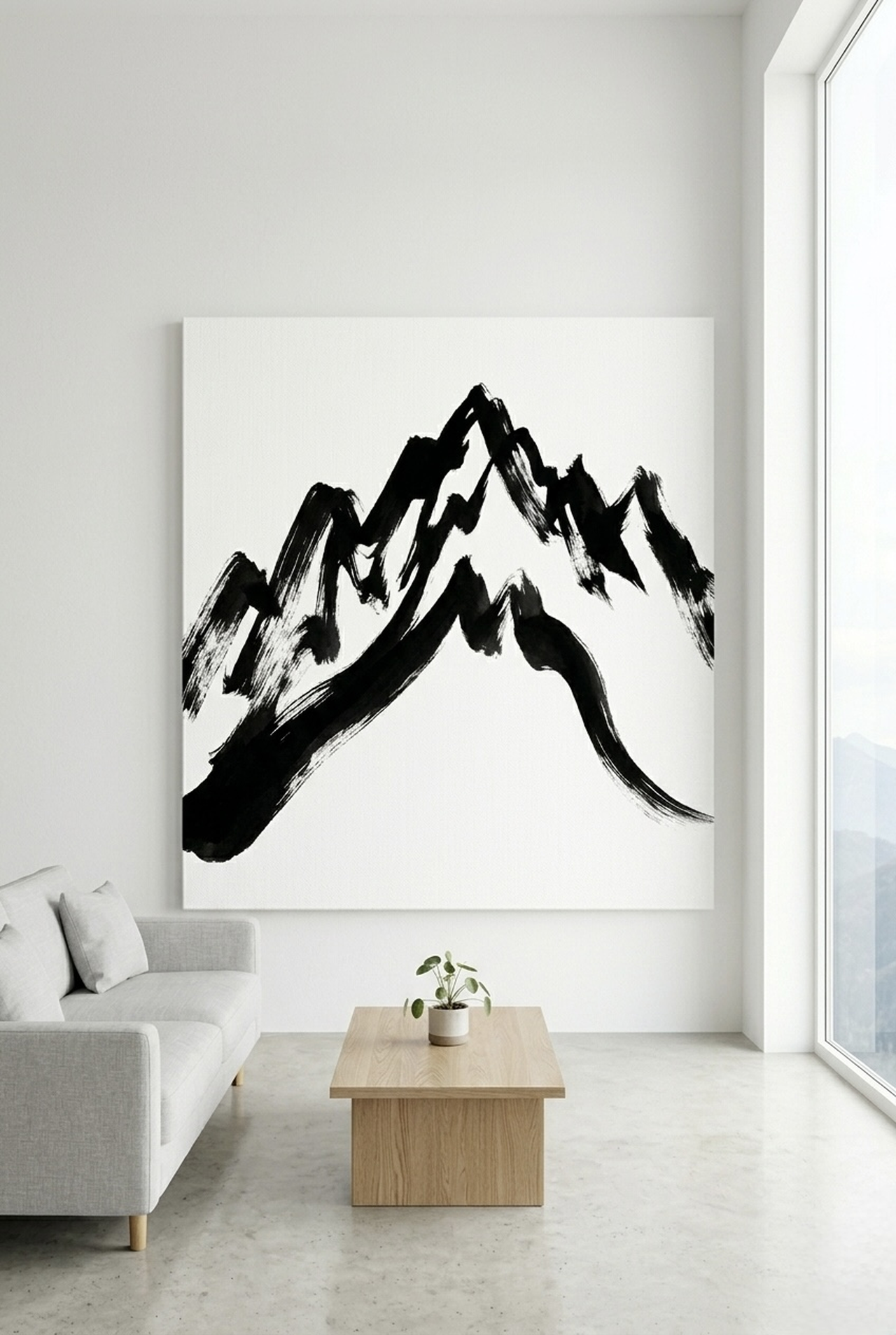

The Mountain Ink Brush Sumi-e canvas is perhaps the most quietly powerful piece in this selection. A single mountain, rendered in broad, confident brushstrokes, against the white of the canvas and then placed against the darkness of a moody wall, creates a composition-within-a-composition that feels almost cinematic. The Kintsugi Gold Repair canvas rounds out the selection with its celebration of gold veins running through dark, textured ground. Kintsugi, the Japanese practice of repairing broken ceramics with gold lacquer, holds that the history of an object (including its breaks and repairs) makes it more beautiful, not less. This philosophy translated into canvas art is perfect for a dark moody room that values depth and story over mere surface appeal.
Placement Guide for Dark Moody Spaces
Even the most beautiful piece of wall art can fail if it is hung in the wrong position or at the wrong scale. Dark moody interiors have specific placement requirements because the reduced reflectivity of dark walls changes the way art is perceived at different heights and distances.
Eye-Level Hanging
The standard rule for hanging art is to position the center of the piece at approximately 57 to 60 inches (145 to 152 cm) from the floor. This places the visual center of the work at average standing eye level and ensures the piece reads correctly whether you are standing or moving through the room. In dark moody rooms, this rule becomes even more important because art hung too high will disappear into shadows near the ceiling, while art hung too low will compete visually with furniture and floor-level elements.
Art Above the Sofa
For art displayed above a sofa or console table, the ideal width is roughly two-thirds the width of the furniture below it. A sofa that is 84 inches (213 cm) wide calls for art that is approximately 56 inches (142 cm) wide, either as a single piece or a gallery arrangement. The bottom of the art should hang 6 to 8 inches (15 to 20 cm) above the sofa back to maintain visual connection without the art appearing to be perched on top of the furniture.
Gallery Walls in Dark Rooms
Gallery walls work beautifully in dark moody interiors because the dark background unifies varied frames and formats into a cohesive composition. The key measurements for a gallery wall are spacing between frames (aim for 2 to 3 inches, or 5 to 8 cm, between pieces) and relationship to room architecture. Gallery walls work best when they occupy 60 to 75 percent of the available wall space, leaving breathing room at the edges.
Single Statement Pieces
For a single large-format statement piece in a dark moody room, the scale conversation changes. A canvas that is 36 by 48 inches (91 by 122 cm) or larger will read as genuinely monumental against a dark wall, particularly if picture lighting or a directional sconce is used to illuminate it. Consider leaving at least 12 inches (30 cm) of dark wall visible around the piece to allow it to breathe.
Considering Light Sources
In dark moody rooms, the relationship between art and light sources is critical. Warm-toned picture lights installed above large canvases create pools of focused illumination that make art appear to glow from within. When planning placement, identify your existing light sources and position art so it benefits from their reach rather than falling into shadow between them.
5 Common Mistakes to Avoid
1. Choosing Art That Is Too Small
In a dark moody room, small art disappears. The contrast and visual density of a deep-toned environment demands art at scale. A piece that would read comfortably as medium-sized on a white wall will appear to shrink to near-invisibility on a dark one. When in doubt, go larger. A canvas that feels oversized when you first hang it will almost always feel right after you live with the room for a few days.
2. Using Art with Light, Pastel, or Washed-Out Colors
Soft pastels and washed-out watercolor-style art tend to lose their character against dark walls. The delicacy that makes these pieces beautiful on light backgrounds can read as pallid or ghostly in a moody environment. Instead, choose art that is either strongly contrasting (like ink wash work with true white negative space) or deeply saturated with its own color story. Art in the middle tonal range tends to disappear.
3. Ignoring Frame Color
The frame is part of the composition in a dark moody room. Black frames blend into dark walls and allow the art to float, creating a frameless effect that suits minimalist moody aesthetics. Gold frames create a warm, luminous border that catches light and adds richness. Natural wood frames bring warmth and organic texture. White or light-colored frames can create stark contrast that may or may not suit the room's intention. Think carefully about what the frame contributes before hanging anything.
4. Overcrowding Without Intention
Dark moody rooms already carry significant visual density from wall color, textured materials, and layered lighting. Adding too much art without deliberate spacing and curation can tip a rich room into chaos. Every piece of art in a dark moody interior should earn its place. When building a gallery wall, edit ruthlessly. When hanging individual pieces, leave enough dark wall around each one that it breathes as its own composition.
5. Neglecting Lighting for the Art
Hanging beautiful art in a dark moody room and then leaving it in shadow is one of the most common and most avoidable mistakes in interior design. Art in dark rooms needs dedicated lighting to be visible and to perform its function. Picture lights, directional spotlights, and gallery tracks are all effective. Even a simple floor lamp positioned to cast light toward a key canvas can transform how the piece reads in the room. Budget for lighting as part of the art investment, not as an afterthought.
Frequently Asked Questions
What is dark moody interior design?
Dark moody interior design is an aesthetic approach that uses deep, saturated wall colors (such as forest green, midnight navy, charcoal, and oxblood), layered warm lighting, rich textures like velvet and aged brass, and carefully chosen art to create spaces that feel intimate, dramatic, and deliberately curated. It draws from Victorian parlor design, maximalism, and the moody color movement in contemporary design.
What colors work best for dark moody walls?
The most popular and effective colors for dark moody walls include deep forest green, midnight navy, warm charcoal, rich burgundy and oxblood, deep plum, and warm near-black tones. The best choices have warm undertones that prevent the room from feeling cold or clinical. Pair any of these with art that incorporates gold, warm neutrals, or saturated complementary colors for maximum effect.
What type of wall art suits dark moody rooms?
Wall art that performs best in dark moody rooms tends to be either strongly contrasting (like ink wash art with true white ground), richly saturated in color (like cultural festival art or maximalist compositions), metallic or gold-accented (kintsugi-inspired art, gilded frames, metallic abstract work), or classically rendered with chiaroscuro lighting (Renaissance-style portraiture, mythology-inspired work). Art in soft pastels or washed-out tones tends to lose its character against dark walls.
How do I prevent dark rooms from feeling too small?
Dark rooms can feel cozy rather than cramped when lighting, scale, and placement are handled correctly. Use layered warm lighting including floor lamps, sconces, and picture lights to create pools of warmth rather than flat illumination. Choose large-scale art that commands its wall space rather than small pieces that get lost. Use mirrors strategically to reflect light. Keep furniture scaled appropriately and allow floor space to remain visible. Dark ceilings, counterintuitively, can make a room feel taller rather than shorter when paired with wall sconces that draw the eye upward.
Can dark moody interiors work in small spaces?
Yes. Dark moody aesthetics can actually work beautifully in small spaces because the enveloping quality of dark walls removes the visual boundaries of the room, making the exact footprint less apparent. Small rooms with dark walls and warm, focused lighting feel intimate and intentional rather than cramped. The key is using one large statement piece of art rather than several small ones, choosing furniture with legs that reveal floor space, and layering light sources so the room feels warm and dimensional rather than dim.
What frame colors work best in dark moody rooms?
Black frames blend with dark walls and allow art to appear to float, which suits minimalist or maximalist-dark aesthetics equally. Gold frames add warmth and luminosity, catching light in a way that makes them visible and rich against any dark background. Espresso and dark walnut frames read as naturalistic and warm, sitting comfortably in rooms with warm-toned dark walls like burgundy or forest green. White frames create deliberate contrast that can be striking but requires confident intent. Natural wood frames bring organic texture that softens the drama of dark walls without undermining it.
Quick Reference: Dark Moody Wall Art Guide
| Room Type | Best Art Style | Recommended Colors | Size Guide |
|---|---|---|---|
| Living Room | Large abstract, Renaissance-inspired portraiture, cultural art | Gold, burgundy, deep teal, warm neutrals | 36x48 in (91x122 cm) or larger as statement piece |
| Bedroom | Ink wash, delicate botanical, kintsugi-inspired, serene abstracts | Forest green, midnight navy, soft gold, charcoal | 24x36 in (61x91 cm) over nightstand; 36x48 in (91x122 cm) above headboard |
| Dining Room | Maximalist floral, classical still life, cultural celebration art | Oxblood, deep plum, warm gold, emerald | 24x30 in (61x76 cm) to 30x40 in (76x102 cm) on focal wall |
| Home Office / Library | Mythology, classical figures, architectural, ink landscape | Deep navy, charcoal, aged brass, cool gray | 18x24 in (46x61 cm) to 24x36 in (61x91 cm); gallery wall of 3 to 5 pieces |
| Hallway / Entry | Single dramatic statement piece, tall portrait format, metallic | Dark emerald, charcoal, gold accents | Tall portrait canvases 16x24 in (41x61 cm) or larger; eye-level center at 57 to 60 in (145 to 152 cm) |
| Bathroom | Small ink wash, botanical study, minimalist cultural motif | Deep teal, warm black, gold, warm white | 12x16 in (30x41 cm) to 16x20 in (41x51 cm); avoid direct water exposure |
Creating a dark moody interior is one of the most rewarding design decisions you can make. These are rooms that get better with time, rooms that reward slow looking, rooms that feel genuinely unlike anywhere else. The art you choose is the final word in that conversation, the piece that brings everything together and says: this room knows exactly what it wants to be.
Explore the full range of canvases crafted for dramatic, beautiful spaces at Heva Unique Art Gallery's dark moody wall art collection. Every piece Ships within the US, arrives ready to hang, and is printed on museum-quality matte canvas that holds its depth and color beautifully in low-light environments.